



Global LNG markets have entered a period of sharp volatility as LNG Prices Surge following the war involving Iran. The conflict has disrupted key export routes and forced analysts to revise supply expectations downward.
As tensions escalate, the crisis has begun to reshape the global energy outlook. Damage to infrastructure in Qatar and shipping disruptions across the region have tightened supply, raising concerns among major importers.
Before the conflict, analysts expected global LNG supply to grow by up to 10% in 2026. New production capacity from the United States and Qatar had supported forecasts of balanced growth between supply and demand.
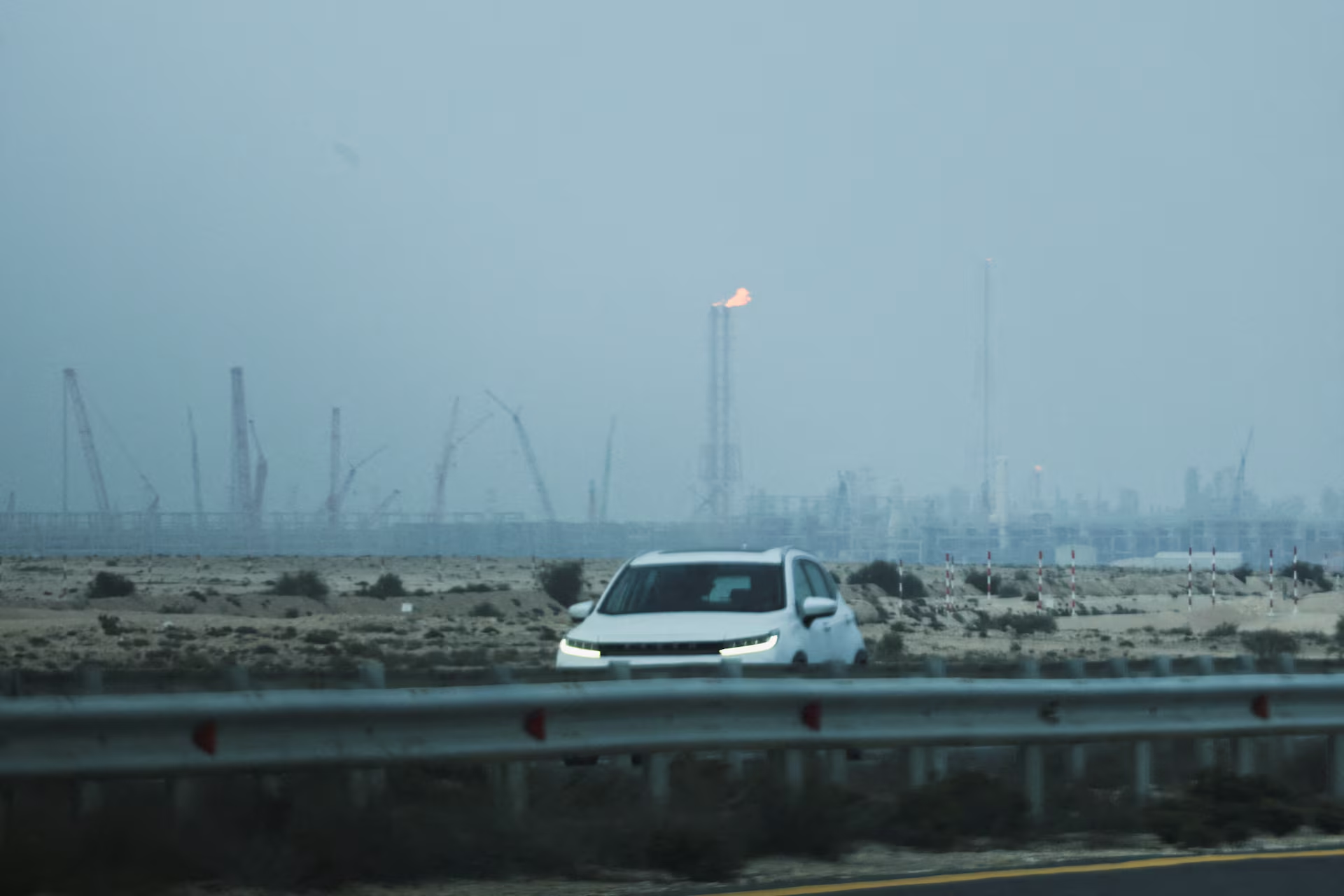
The situation changed rapidly after Iran moved to block the Strait of Hormuz, a critical route that handles around 20% of global LNG flows. At the same time, damage to Qatar’s liquefaction facilities has taken a significant volume of supply offline.
As a result, leading consultancies including S&P Global Energy, ICIS, Kpler, and Rystad Energy have cut their global supply outlooks by as much as 35 million tonnes. This reduction equals roughly 500 LNG cargoes.
In practical terms, that volume could cover more than half of Japan’s annual LNG imports or meet Bangladesh’s needs for several years. Consequently, the supply shock has raised serious concerns about energy security in Asia.
Rising costs are reshaping demand patterns across the region. LNG Prices Surge has pushed several Asian buyers to scale back purchases and switch to alternative fuels. According to analysts at S&P Global Energy, the crisis could slow long-term demand growth. They warn that countries may reconsider their reliance on gas if high prices persist.
Meanwhile, the outlook for exports from Qatar and the United Arab Emirates has weakened. Analysts now expect a significant drop in shipments this year.
Looking further ahead, delays in major projects such as Qatar’s North Field expansion and ADNOC’s Ruwais LNG development could extend supply constraints into the coming years. This, in turn, may keep markets tight for longer than previously expected.
The conflict has introduced a new level of uncertainty into global LNG markets. While demand may adjust in the short term, supply disruptions and delayed projects could shape the industry for years to come.