



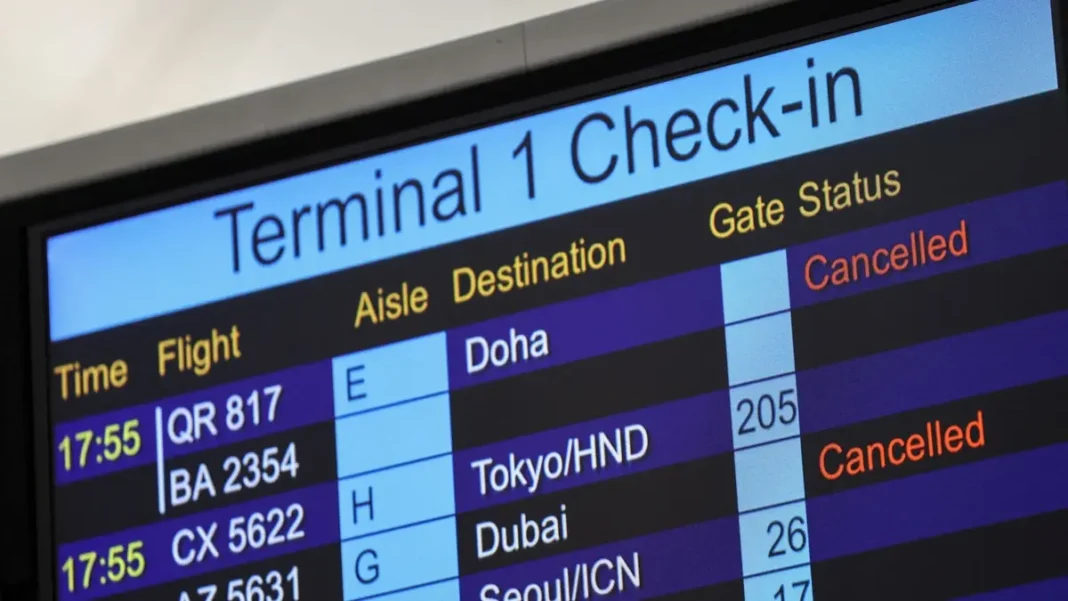
China successfully coordinated the safe return of more than 10,000 citizens this Tuesday. These travelers arrived from the United Arab Emirates, Oman, and Saudi Arabia. Foreign Ministry spokesperson Guo Jiakun confirmed this massive effort during a briefing in Beijing. The operation required high-level coordination between the Foreign Ministry and the Civil Aviation Administration of China (CAAC).
Consequently, domestic airlines increased their capacity to meet the urgent demand for Middle East departures. This evacuation responds directly to the growing instability and widespread flight cancellations in the region. Therefore, the return of these travelers marks a major milestone in China’s emergency response.
China successfully prioritized urgent flights to hubs like Dubai, Muscat, and Riyadh. These cities recently faced severe disruptions as multiple international carriers suspended services. Specifically, the CAAC authorized state-owned airlines to operate “rescue corridors” during the conflict.
These special routes avoided the most volatile segments of regional airspace. This strategic rerouting allowed chartered aircraft to land and depart safely. Many returned passengers had been stranded for several days following the Strait of Hormuz closure. Their arrival in Beijing and Shanghai highlights the effectiveness of the national aviation protocol.
Transitioning to the broader context, this evacuation occurs as other nations struggle to manage stranded populations. For instance, recent Oman Air cancellations left thousands of international travelers seeking alternative routes. China’s proactive approach included setting up 24-hour emergency hotlines at several regional embassies.
Furthermore, the Foreign Ministry worked with local authorities to ensure safe passage to airports. These efforts demonstrate a robust commitment to protecting Chinese nationals traveling abroad. Staff members at the embassies in Abu Dhabi and Riyadh continue to provide on-ground support.
Looking forward, the Chinese Foreign Ministry plans to maintain a state of high readiness. Spokesperson Guo Jiakun urged remaining citizens to register with the nearest consulate immediately. While 10,000 travelers have returned, thousands more may still require assistance soon.
The government will continue to monitor the security of regional flight paths. Meanwhile, the CAAC is coordinating with international partners to ensure these flights do not interfere with other missions. Ultimately, the focus remains on the total safety and orderly return of every citizen.