



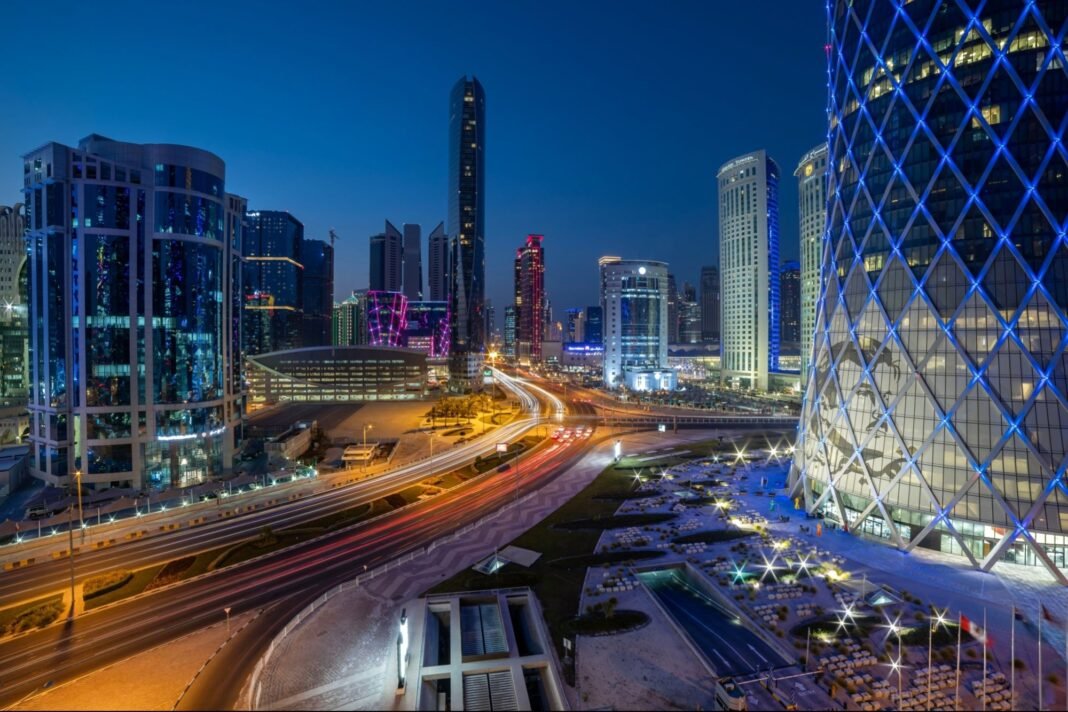
Qatar’s innovation landscape is developing at a remarkable pace, driven by strategic government policies and dynamic private sector initiatives. Consequently, the country has become one of the region’s most attractive locations for innovation.
Nayef Al-Ibrahim, CEO of Ibtechar, explained that a recent white paper on emerging innovation labs in Qatar attracted strong interest. For example, numerous public and private entities downloaded the report, reflecting high engagement across sectors.
Moreover, Al-Ibrahim highlighted that enthusiasm for innovation was evident during Ibtechar’s Majlis session. The event registered over 100 participants within just two days. This strong turnout demonstrates the keen appetite for knowledge-sharing and collaboration. Additionally, the diverse representation of stakeholders underscores Qatar’s openness to innovative practices, where successes and failures both inform societal benefits.
Qatar has also made remarkable progress globally. In the 2025 World Intellectual Property Organization (WIPO) Global Innovation Index, the country climbed to 48th place, up from 70th six years ago. This improvement highlights the nation’s strengthened framework for research, development, entrepreneurship, and technology adoption.
Looking ahead, Al-Ibrahim said innovation will remain a key focus for at least the next five years. By upskilling the workforce and increasing private sector contributions, Qatar is positioning innovation as a transformative force for the economy.
Ibtechar recently launched the Majlis session series to foster dialogue across sectors. The first session, titled “Imagining a Public Innovation Lab for Qatar,” explored opportunities and challenges for establishing such a lab. Participants included representatives from the Qatar Research, Development, and Innovation Council, Civil Service and Government Development Bureau, Ministry of Communications and Information Technology, and Hamad Bin Khalifa University.
Furthermore, Al-Ibrahim noted that each organization provides unique perspectives. Some focus on ecosystem development, while others emphasize policy frameworks, practical implementation, and capacity building. This multi-dimensional approach ensures outcomes guide better planning and decision-making.
Future sessions will explore public innovation labs, solution development, and broader ecosystem enhancements. Depending on audience interest, the sessions may occur monthly, quarterly, or biannually. Ultimately, the Majlis aims to serve as a knowledge hub, promoting constructive debate, collective advancement, and alignment with Qatar’s National Development Strategy (NDSA3).

