



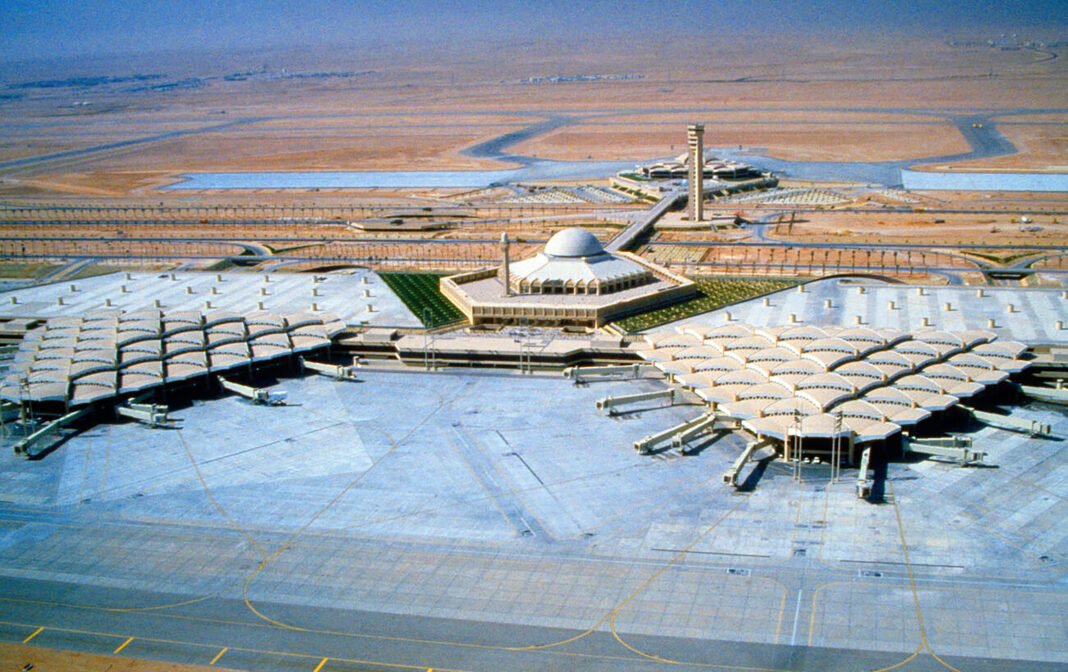
King Khalid Airport opened its new Terminal 2, increasing passenger capacity to 14 million annually. The redevelopment completes upgrades for Terminals 1 and 2. Moreover, the project modernizes facilities and strengthens Riyadh’s position as a global aviation hub.
Prince Faisal bin Bandar, Emir of Riyadh, led the inauguration. He praised the airport’s modern design, advanced passenger facilities, and infrastructure. He also highlighted Riyadh’s growing role as a hub for international events.
The airport authority expanded check-in areas, upgraded lounges, and improved security systems across both terminals. These upgrades allow passengers to move faster and reduce waiting times.
Terminal 2 complements plans to increase the airport’s overall capacity. Consequently, King Khalid Airport can now accommodate 14 million passengers annually, meeting rising domestic and international travel demand.
Officials introduced new technologies in baggage handling, energy management, and digital passenger services. These improvements reduce delays and enhance travelers’ experiences. Furthermore, the upgrades promote operational efficiency and sustainability.
The redevelopment aligns with Saudi Arabia’s Vision 2030. The terminal accommodates both regional and international flights efficiently. In addition, officials plan further expansion to maintain the airport’s competitiveness in the region.
Passengers now enjoy faster check-ins, modern lounges, and upgraded retail and dining options. Advanced technology streamlines boarding and security procedures, ensuring smooth travel.
The airport authority expects the new terminal to attract more airlines and passengers. Additionally, King Khalid Airport aims to support international events and boost Riyadh’s economic and tourism growth.
King Khalid Airport also strengthens cargo and logistics operations. The terminal includes upgraded freight handling areas, allowing faster import and export processing. This improvement benefits businesses and supports regional trade expansion.
Authorities emphasized training programs for staff to enhance service quality. By investing in workforce development, the airport ensures operational efficiency and improves the overall passenger experience.
Finally, the airport plans to integrate more digital solutions, such as automated check-in kiosks and AI-powered flight information systems. These technologies aim to make travel smoother and further solidify Riyadh’s position as a major aviation hub.
Overall, King Khalid Airport strengthens the Kingdom’s global connectivity. Its redevelopment positions Riyadh as a major aviation hub, supporting long-term economic expansion and tourism development.