



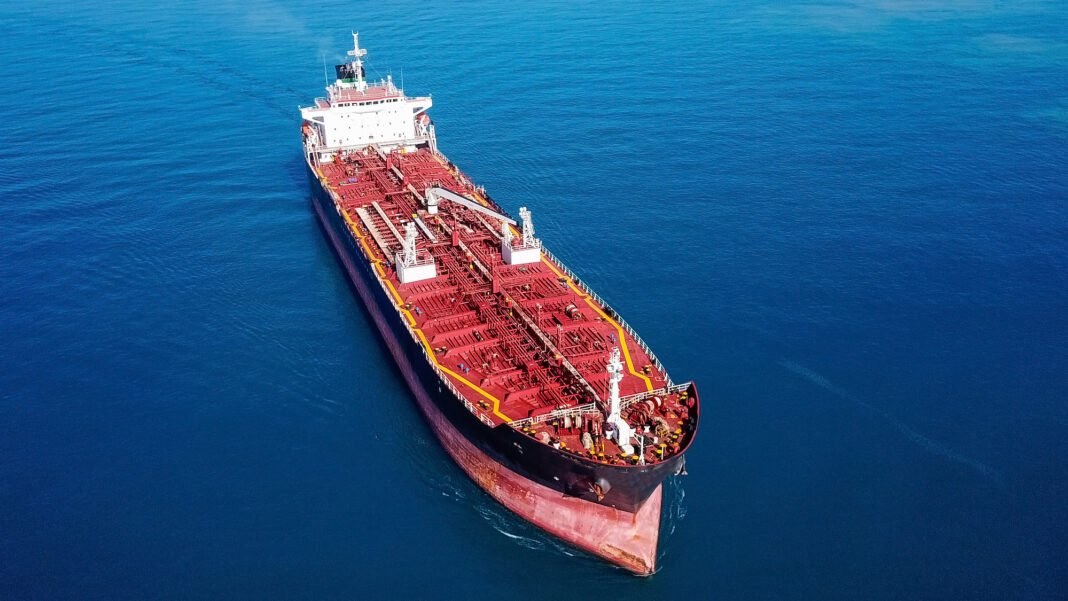
Global oil crisis conditions worsened Monday as Saudi Arabia took the unusual step of offering crude on the spot market. This move follows the near-total collapse of tanker traffic through the Strait of Hormuz due to intense regional conflict. Saudi Aramco reportedly offered approximately 4.6 million barrels of various crude grades, including its flagship Arab Light.
This rare tender process deviates from the traditional reliance of the Kingdom on long-term supply contracts with global buyers. Therefore, the decision reflects an urgent need to move oil that the maritime blockade currently traps. Analysts warn that such a shift indicates a deep disruption in the standard mechanics of the global oil crisis.
Marine tracking data confirms that the vital waterway reached a state of functional paralysis this week. Only three vessels passed through the strait on Saturday, compared to a typical average of over twenty-four daily transits. Specifically, only one of those ships was an oil tanker, representing a ninety percent drop in energy traffic. This freeze left hundreds of tankers stranded in the Persian Gulf as insurance companies withdrew war-risk coverage.
Consequently, the global oil crisis entered a new phase where physical supply routes are almost entirely severed. Producers across the region now face a desperate scramble to find alternative paths for their exports.
In response, Saudi Arabia rapidly diverted its export volumes to the Red Sea via the East-West pipeline. Shipments from the western port of Yanbu surged to 2.3 million barrels daily since the start of March. This volume is fifty percent higher than any monthly average the Kingdom recorded since late 2016.
However, even this massive pipeline network cannot fully offset the total loss of the Hormuz route for other producers. Countries like Iraq and Kuwait already began shutting down production fields due to a lack of available storage. This widespread storage crisis is a direct consequence of the escalating global oil crisis across the Gulf.
The security situation remains dire as the Saudi defense ministry reported intercepting multiple drones targeting the Shaybah oil field. These persistent attacks on energy infrastructure continue to drive market anxiety and fuel a massive price rally. Brent crude and WTI both surged above $100 per barrel this morning, reaching their highest levels in several years.
Furthermore, G7 finance ministers scheduled an emergency call today to discuss a joint release of strategic reserves. This coordinated action would involve the International Energy Agency to help stabilize the volatile global oil crisis. Such high-level intervention highlights the severity of the current threat to global energy security.
Looking ahead, traders expect the spot market to remain the primary venue for any available Middle Eastern crude. The rare Saudi tenders demonstrate that the Kingdom is willing to adapt its business model to keep global markets supplied. However, the risk of a prolonged closure of the Strait of Hormuz remains the biggest threat to the global economy.
If the G7 moves forward with a massive release of emergency stockpiles, it could temporarily cool the record-breaking price spikes. Until authorities restore a safe maritime corridor, the focus stays on terrestrial pipelines and the western ports of the Red Sea.
Ultimately, the resolution of this global oil crisis depends on a successful de-escalation of the regional military conflict.