



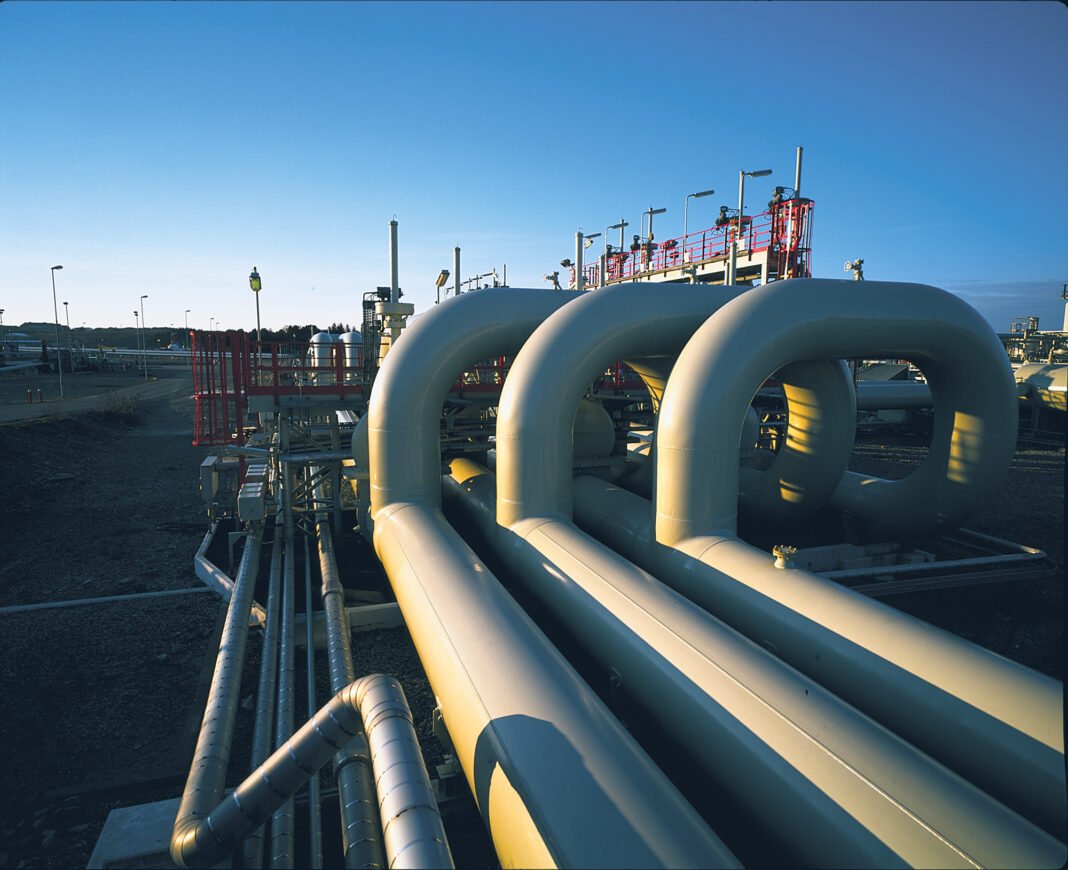
Saudi Arabia restored its East-West oil pipeline to full capacity after recent attacks. As a result, the pipeline now operates normally and supports national export stability. Authorities confirmed that production has returned to about seven million barrels per day. Meanwhile, energy officials worked quickly to repair damaged infrastructure across key sites while restoring output and securing supply chains.
The oil pipeline system plays a major role in transporting crude from the Gulf region. It connects production areas to export terminals on the Red Sea coast. Therefore, this route helps reduce reliance on the Strait of Hormuz during periods of instability. Consequently, officials depend on this pipeline to maintain export flexibility during crises.
Recent attacks damaged several energy facilities across multiple regions. As a result, these incidents affected oil processing, gas operations, and refining systems. However, authorities responded with emergency repairs and coordinated recovery plans. At the same time, security teams increased monitoring across critical energy infrastructure.
The pipeline supports global energy flows during periods of regional tension. It also helps stabilize supply routes when maritime risks increase. Meanwhile, market observers closely tracked developments during the disruption period. Consequently, prices reacted to concerns about supply security and transport risks.
Energy officials confirmed full restoration of operations after inspection and repair work. Afterwards, they prioritized rapid recovery to reduce disruptions in global supply chains. The pipeline now operates at normal capacity without restrictions. Furthermore, authorities emphasized continued vigilance to protect infrastructure.
Saudi energy planners continue strengthening resilience across the national system. They are also investing in protection measures for critical energy assets. In addition, they coordinate with security agencies to prevent future disruptions. As a result, this approach supports long-term stability in energy exports.
The pipeline remains essential for linking production zones with export markets. Therefore, its restoration reassures global buyers and supports steady supply expectations. Officials reaffirmed their commitment to maintaining reliable energy flows despite ongoing tensions.
Authorities also plan further upgrades to improve monitoring systems. Moreover, they aim to enhance rapid response capabilities across key facilities. Ultimately, these steps will strengthen long-term protection of energy infrastructure and exports.

