

Saudi-US investment discussions intensified in Washington as the kingdom outlined a major commitment to expand its financial footprint in the American economy. The new direction signals a significant strategic shift, and the Saudi-US investment plan sits at the center of the announcement. The pledge immediately drew global attention because it influences energy, technology, and long-term geopolitical trends.
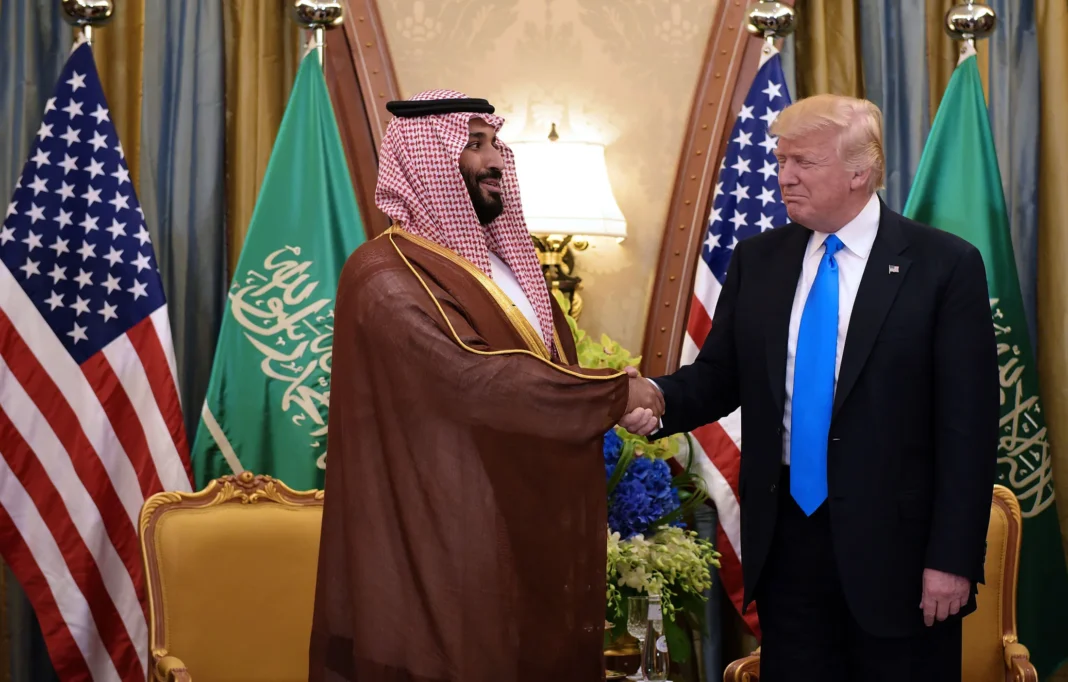
Saudi officials raised their earlier commitment from $600 billion to nearly $1 trillion during a recent high-level visit. The Saudi-US investment pledge formed a central part of the talks between the crown prince and senior American officials. The discussions occurred in Washington and included several sector-focused meetings.
Observers followed the pledge closely because it redirects massive capital into targeted US industries. Saudi officials highlighted nuclear energy, critical minerals, artificial intelligence, defense, and financial markets. American executives welcomed the discussions because they expect new capital inflows to reshape growth strategies.
The Foreign Affairs Forum in Dubai offered a detailed assessment soon after the announcement. Its analysis said the kingdom likely uses the Public Investment Fund to expand its global role. Analysts noted that Saudi-US investment cooperation supports broader diversification goals inside the kingdom.
Experts believe the financial capacity exists because the fund controls significant global assets. However, specialists also warned about opportunity costs if domestic projects require additional spending. They stressed that volatility in energy markets could affect long-term planning.
The investment pledge coincided with a major event in Washington on November 19. Leaders from companies such as Blackstone, Nvidia, Tesla, Salesforce, Global AI, and HUMAIN attended the gathering. Executives held extensive talks with Saudi ministers to identify priority sectors.
Human rights organizations responded quickly to the visit because they want the US government to raise concerns. Several groups urged American officials to discuss freedom of expression and long-term rights issues. Their statements added political pressure to the economic discussions.
Nevertheless, officials in both countries believe the pledge opens new cooperation channels across many industries. They expect investment teams to review specific projects during early 2026. They also predict deeper dialogue on technology and resource supply chains.
The next phase focuses on joint committees that evaluate investment feasibility. Both sides aim to secure stable growth and long-term strategic alignment. Their teams believe consistent communication strengthens confidence in the evolving partnership.