



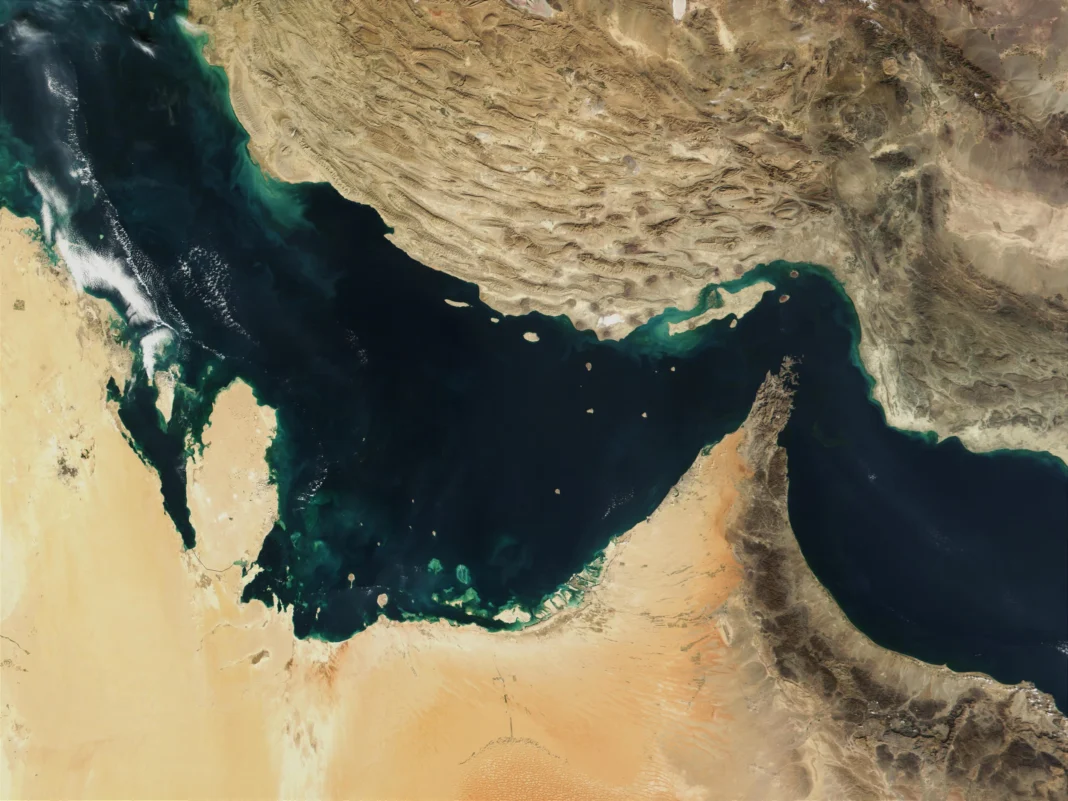
Strait of Hormuz is back in operation following a two-week ceasefire agreement between the United States and Iran. The deal aims to prevent further attacks and reopen the critical shipping lane. Strait of Hormuz handles 15 percent of global oil and 20 percent of global liquefied natural gas supply flows.
The closure of the waterway began after U.S. and Israeli military strikes on Iran on February 28, 2026. Iran warned vessels to stay away, and insurers pulled coverage, halting tanker traffic. This created fears of a major energy disruption. Oil prices surged, with U.S. crude briefly exceeding $117 per barrel.
Analysts described the disruption as a dual supply shock. Exports through the Strait of Hormuz stopped, while OPEC+ countries could not use their spare production capacity. This limited the global oil market’s ability to balance supply and demand. Consequently, global energy prices became highly volatile.
The International Maritime Organization reported 21 attacks on commercial vessels during the conflict. These attacks killed ten seafarers and severely injured several others. Around 20,000 civilian seafarers remained stranded aboard ships in the Persian Gulf.
Following the ceasefire announcement, oil prices dropped sharply to below $95 per barrel. The U.S. president highlighted that the agreement would allow Iran to begin reconstruction efforts and ease the shipping backlog. Authorities also promised support for clearing traffic and restoring trade flows.
The deal could prevent further disruptions to energy supply while providing temporary stability. Companies and governments are closely monitoring the situation to ensure compliance. Strait of Hormuz remains a critical point for international shipping, and any future conflict could again affect global markets.
Estimates from energy analysts suggest the damage to Gulf energy infrastructure, including LNG facilities, refineries, fuel terminals, and gas-to-liquids plants, could require up to $25 billion to repair. Repairing the infrastructure remains a priority to prevent further shocks.
The ceasefire demonstrates the strategic importance of diplomacy in stabilizing energy markets. Traders and governments are cautiously optimistic that peace will allow energy exports to resume safely. Strait of Hormuz will continue to play a central role in global oil and gas logistics in the coming weeks.

