



The UAE oil output outlook has shifted after the exit from OPEC. The UAE oil output strategy now focuses on growth and flexibility. As a result, leaders expect production potential to rise in the coming years.
Previously, OPEC quotas limited production to about 3.4 million barrels per day. However, officials had long viewed these limits as restrictive. Over the past decade, major investments strengthened production capacity. Consequently, the national oil company built capacity close to 4.85 million barrels per day.
Moreover, leaders plan to increase capacity to 5 million barrels per day by 2027. Still, experts caution against rapid expansion. Not all facilities can operate at full capacity immediately. Some sites require upgrades before sustained output becomes possible.
Therefore, production will likely rise gradually rather than sharply. Analysts expect output to reach around 4.4 million barrels per day in the near term. After that, levels may approach 5 million by the end of the decade. This growth depends heavily on infrastructure improvements.
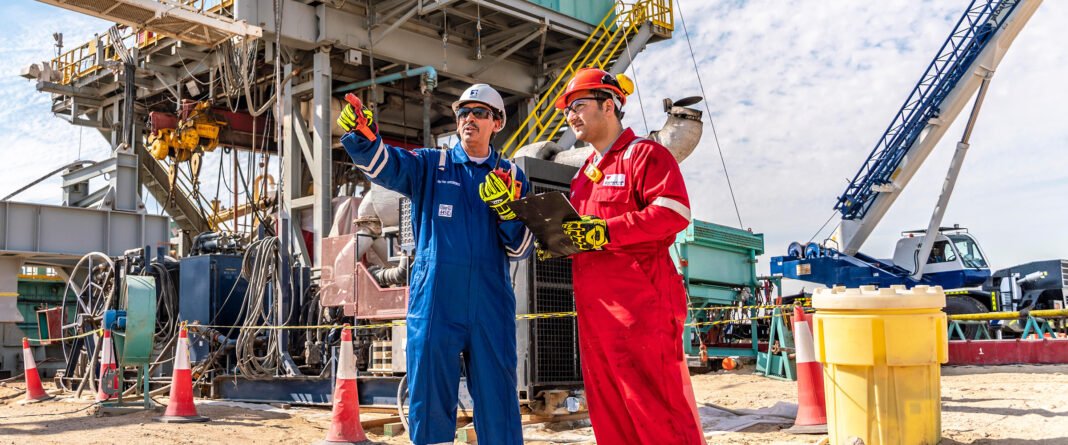
In addition, expansion efforts will focus on existing oil fields. Engineers plan upgrades across several major onshore and offshore assets. By improving current facilities, the country can increase output more efficiently.
Meanwhile, geography presents a major challenge. Export routes remain limited despite higher production capacity. The Strait of Hormuz plays a critical role in global energy transport. However, regional tensions continue to disrupt smooth transit through the passage.
Consequently, exports face a clear ceiling under current conditions. Even if production increases, delivery remains constrained. The country does have one alternative route. A pipeline connects inland oil fields to a port outside the strait.
This pipeline currently carries about 1.5 million barrels per day. Its maximum capacity reaches roughly 1.8 million barrels per day. Therefore, it cannot fully support expanded production alone. Nevertheless, it provides a valuable alternative during disruptions.
On the demand side, prospects remain strong. The UAE produces light sour crude that refiners value highly. Asian markets continue to import large volumes. In particular, demand for jet fuel continues to rise steadily.
At the same time, recent regional tensions caused damage to some energy facilities. Drone and missile incidents affected key industrial sites earlier this year. However, officials expect repairs to move quickly. Most disruptions should remain temporary and manageable.
Furthermore, reduced local refining could redirect more crude toward exports. This adjustment may help stabilize supply in the short term. Overall, the country maintains strong growth potential.
The UAE oil output trajectory points upward. However, infrastructure and export limitations will determine the pace. Careful planning will shape how quickly production reaches its full capacity.

