



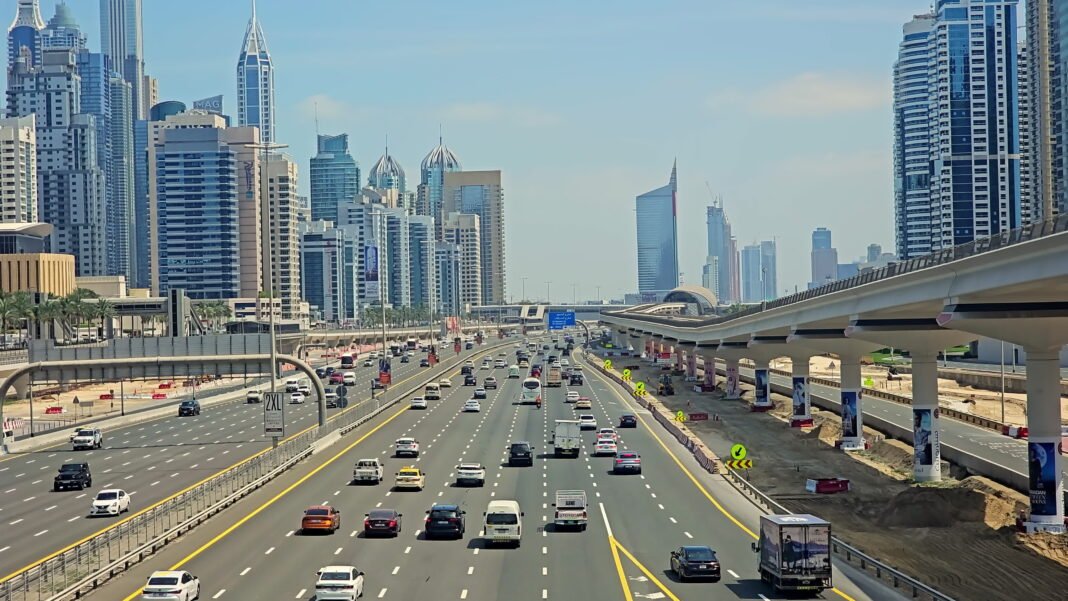
Commute Shapes Demand across the UAE property market as traffic pressures reshape housing decisions. Residents increasingly choose homes near workplaces to save time and reduce stress. As congestion intensifies, proximity now outweighs larger space for many buyers and tenants.
Traffic data from 2025 shows a sharp rise in travel delays. In Dubai, drivers lost 45 hours to congestion last year. That figure marked a significant increase from 35 hours in 2024. Moreover, average travel times for short city drives climbed notably. A 10-kilometre trip required 19.1 minutes in 2025, compared to 13.7 minutes a year earlier.
Population growth continues to add vehicles to major roads. Consequently, average speeds during rush hour declined. Drivers moved at 26.3 kilometres per hour during peak periods. That pace slowed compared to the previous year. In addition, the average distance covered in 15 minutes dropped slightly.
The situation worsens for commuters travelling between Dubai and the Northern Emirates. Many spend long hours on highways each week. Some lose nearly 460 hours annually in traffic. That total equals about 60 working days each year. Therefore, time now stands as a key factor in property decisions.
Real estate professionals report clear behavioural shifts. Many residents now rank commute time above apartment size. Some even accept smaller layouts to live closer to business districts. Others agree to pay higher rents to cut daily travel. As a result, Commute Shapes Demand in both rental and sales segments.
Flexible work arrangements still influence certain choices. However, hybrid schedules do not eliminate congestion concerns. Professionals with daily office attendance prioritize accessibility. Meanwhile, families also seek neighbourhoods near schools and essential services.
Developers observe rising interest in integrated communities. Buyers want homes near retail outlets, gyms, parks, and clinics. They value walkability and reduced dependence on cars. Consequently, projects that combine residential and commercial elements attract stronger demand.
Industry executives note that thoughtfully planned districts outperform standalone residential towers. Communities near major employment hubs command higher premiums. Areas anchored by reputable schools also maintain strong momentum. Families willingly invest more for educational proximity.
Urban planning strategies further support this trend. Long-term development frameworks promote mixed-use districts. Authorities aim to create balanced neighbourhoods that blend living and working spaces. These policies encourage sustainable mobility and efficient lifestyles.
Ultimately, Commute Shapes Demand as residents reassess what defines quality of life. Time savings now compete directly with square footage. As congestion persists, location strategy drives purchasing power. The UAE property market continues to evolve alongside changing commuter realities.

