



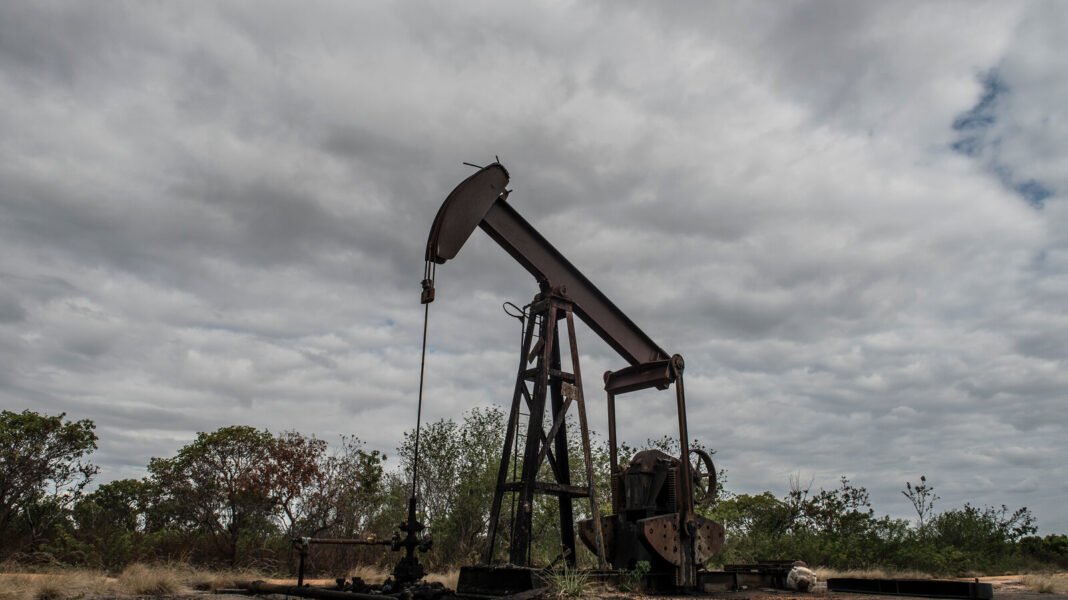
The Venezuelan oil sales now sit at the center of a major geopolitical and energy development involving the United States and Qatar. US authorities directed proceeds from early crude transactions into accounts under American control, including a key account in Doha.
Earlier this month, the US administration authorized the first commercial sale of Venezuelan crude after seizing control of the country’s oil exports. As a result, officials completed transactions worth nearly $500 million within weeks.
According to officials familiar with the process, US agencies placed the revenue in several government-controlled accounts. Notably, Qatar hosts the largest account due to its strong financial infrastructure and perceived political neutrality.
Meanwhile, US leaders described the move as part of a broader strategy to manage Venezuelan assets during a political transition. They stressed that the funds remain under full US oversight and control.
Previously, Venezuelan oil revenues faced complex legal risks from international creditors. Therefore, US officials selected offshore accounts to reduce exposure to potential seizure claims.
At the same time, the administration linked the oil actions to regional security concerns. President Donald Trump stated that US forces acted to counter alleged drug trafficking and regional instability.
Following military operations, US authorities took control of key oil facilities and export routes. Consequently, Washington gained the ability to sell crude directly into global markets.
Energy officials said the Venezuelan oil sales would continue in phases. They also confirmed that additional shipments could reach international buyers soon.
Moreover, the administration argued that oil revenues would support both Venezuelan recovery efforts and US strategic interests. However, officials did not provide a detailed allocation plan.
Critics in Congress questioned the transparency of holding funds outside the US Treasury system. They warned that offshore accounts could limit oversight and accountability.
In contrast, administration officials defended the structure. They argued that Qatar offers stability, strong banking regulations, and reliable international compliance standards.
Meanwhile, global energy markets monitored the situation closely. Traders assessed whether increased Venezuelan supply could affect oil prices or regional trade flows.
Analysts said the impact would depend on export volumes and political stability. They added that uncertainty still surrounds Venezuela’s long-term production capacity.
In addition, the move signaled a shift in US energy diplomacy. Washington now plays a more direct role in managing foreign oil assets during political crises.
Regional experts noted that the Venezuelan oil sales could reshape relations between the US and energy-producing states. They also highlighted Qatar’s growing role in global financial mediation.
Looking ahead, US officials expect further oil transactions within months. They plan to maintain strict oversight while expanding sales gradually.
At the same time, international observers anticipate legal challenges from Venezuelan stakeholders. These disputes could influence future revenue handling.
Nevertheless, the administration views the strategy as effective. Officials believe the approach secures assets while limiting financial risks.
As developments continue, energy markets, lawmakers, and regional governments will watch closely. The next phase could redefine how states manage seized energy resources.