



Oman’s National Gas Company is evaluating a major low-carbon expansion plan. Oman LNG investment plans now shape a strategic shift toward cleaner fuel solutions.
The Muscat-based company is considering investments worth about $100 million. The plan targets a small-scale liquefied natural gas facility.
National Gas already operates as a leading LPG supplier in Oman. Additionally, the firm serves several overseas energy markets.
For this publicly listed company on the Muscat Stock Exchange, diversification remains a priority. Therefore, LNG would complement existing LPG and SNG operations.
Once approved, the project would mark a first for the company. Moreover, it would introduce a rare mini-LNG facility in Oman.
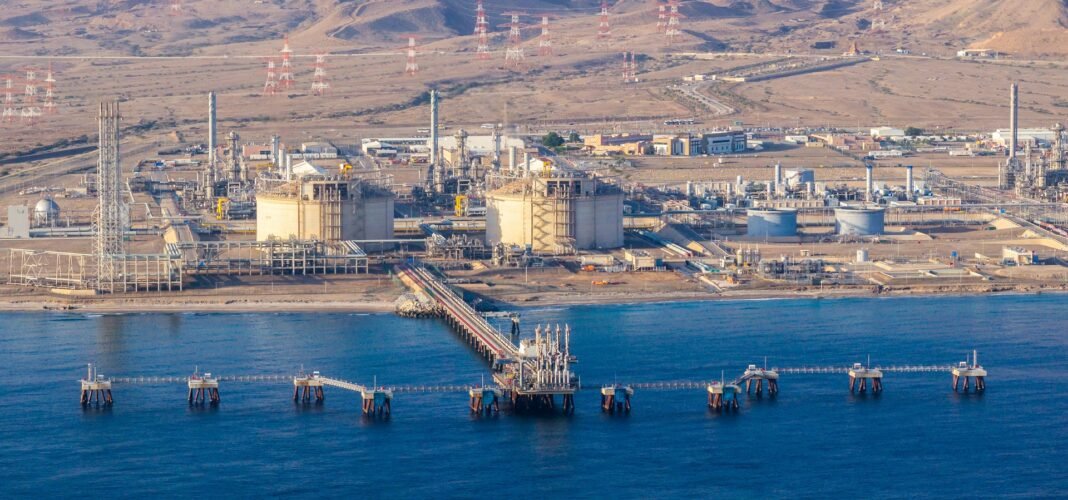
Currently, large-scale producers dominate the LNG sector. These players include Oman LNG and Qalhat LNG.
Meanwhile, the Marsa LNG project remains under development. Each major scheme involves investments exceeding billions of dollars.
National Gas plans a different approach. Instead, it targets domestic demand through flexible and mobile LNG solutions.
The company signed a memorandum of understanding with Abraj Energy Services. As a result, both sides will support energy transition goals.
Abraj operates drilling and well services across Oman. Notably, it controls about half of the country’s rig market.
Under the plan, National Gas will convert diesel generators to dual-fuel systems. Consequently, rigs will use LNG alongside diesel.
This shift could reduce carbon monoxide emissions by 30 percent. At the same time, it may cut operating costs by 15 percent.
Company leadership views the project as commercially and environmentally viable. Therefore, management expects strong demand from rig operators.
National Gas will source natural gas from OQ. Then, it will liquefy and distribute the fuel to drilling sites.
Since rigs often relocate, the supply system will remain mobile. Thus, tankers, regasification units, and equipment will move as needed.
Initially, the company plans to supply LNG to 85 rigs. Abraj will serve as the anchor customer.
However, final pricing approval remains pending. Integrated Gas Company must approve domestic LNG pricing.
If authorities grant approval, construction could begin in early 2026. The build phase would last around two years.
Currently, Oman exports most of its LNG output. As a result, domestic users face limited access.
This project would fill a strategic market gap. Oman LNG investment initiatives would finally support local consumption.
Once operational, the plant would supply LNG across the country. Industries without pipeline access would benefit directly.
Factories, power plants, and mining sites could receive fuel by road. Remote communities may also gain cleaner energy access.
Technically, production mirrors large-scale LNG processes. Natural gas cools to minus 162 degrees Celsius.
However, logistics differ significantly. Domestic LNG avoids costly shipping and terminal infrastructure.
Therefore, trucked LNG offers flexibility and lower costs. Many countries already use it to decarbonize off-grid industries.
National Gas believes the model suits Oman’s geography. Moreover, it aligns with national energy transition goals.
In the long term, Oman LNG investment strategies may evolve further. Small-scale LNG could reshape domestic energy use.