



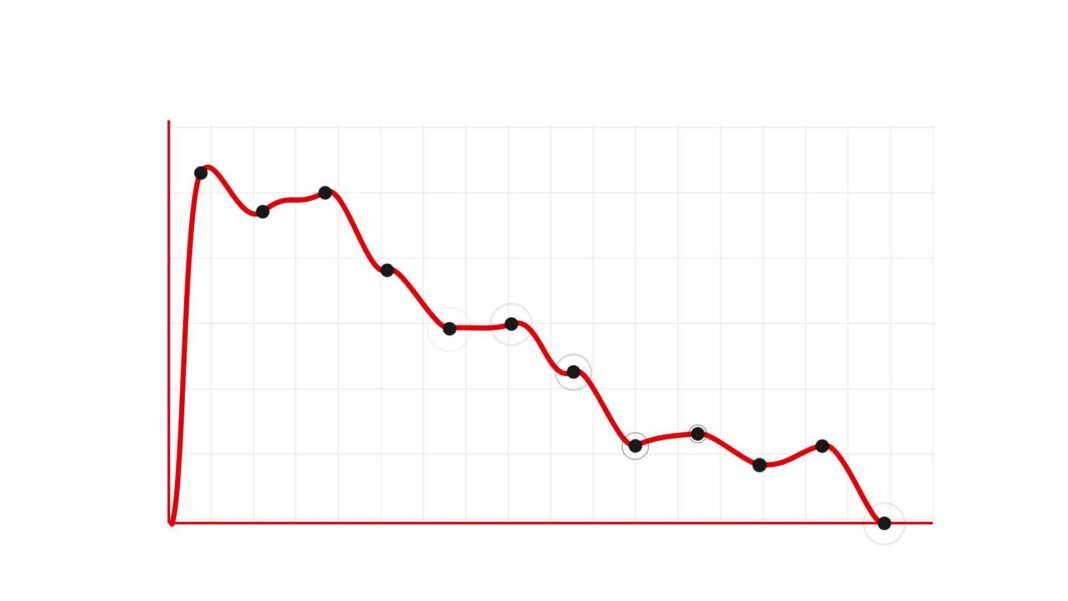
Bahrain All Share Index fell as investors reacted to ongoing regional developments, and trading activity reflected caution across multiple sectors.
The Bahrain All Share Index ended at 2,031.74 points, dropping 5.27 points from the previous session. Consequently, losses in the financial and materials sectors pushed the index lower.
Meanwhile, the Bahrain Islamic Index also declined to 999.38 points, losing 6.62 points from the previous close. Investors executed 56 transactions, totaling 251,192 shares worth BD92,648. Furthermore, financial sector stocks accounted for 40.93 percent of the total trading value.
Across the Gulf, most stock markets faced mixed results. For example, Qatar’s benchmark fell after authorities halted liquefied natural gas production following regional air strikes. Moreover, QatarEnergy declared force majeure on its Ras Laffan facilities after Iranian drone attacks.
As a result, Qatar’s benchmark index decreased 0.9 percent, pressured by a 2.5 percent drop in Qatar Islamic Bank. Meanwhile, Muscat’s index retreated more than 1 percent, while Kuwait’s benchmark reversed early losses to gain 0.6 percent.
Analysts stressed that GCC sovereign wealth funds could support local equity markets by increasing liquidity and deploying additional capital. Therefore, fund-of-funds structures provide an effective mechanism for this support, said Samer Hasn, senior market analyst.
Saudi Arabia’s benchmark index rose 0.5 percent, helped by a 2.2 percent gain in Saudi Aramco. Additionally, Saudi Basic Industries Corp, in which Aramco owns 70 percent, increased by 3.1 percent. Consequently, the Saudi energy index climbed 2.1 percent.
On the other hand, Saudi budget carrier flynas dropped 2.8 percent, extending losses to a third session as regional air travel faced disruptions. Nevertheless, Hasn noted that Saudi markets show resilience despite conflict impacting key infrastructure sectors.
Investors expect the conflict to remain short-lived, and they anticipate government support for affected sectors. Therefore, key equities stabilized amid uncertainty.
Meanwhile, UAE authorities closed the Abu Dhabi Securities Exchange and Dubai Financial Market yesterday for regulatory oversight. Both exchanges also closed on Monday to maintain market stability.
Overall, Bahrain All Share Index decline reflects investor caution as regional tensions persist. Traders continue monitoring geopolitical developments and sector-specific risks across the Gulf.
Thus, the index highlights how financial and material sectors remain sensitive to conflict, while resilient markets like Saudi Arabia maintain momentum despite uncertainty.