

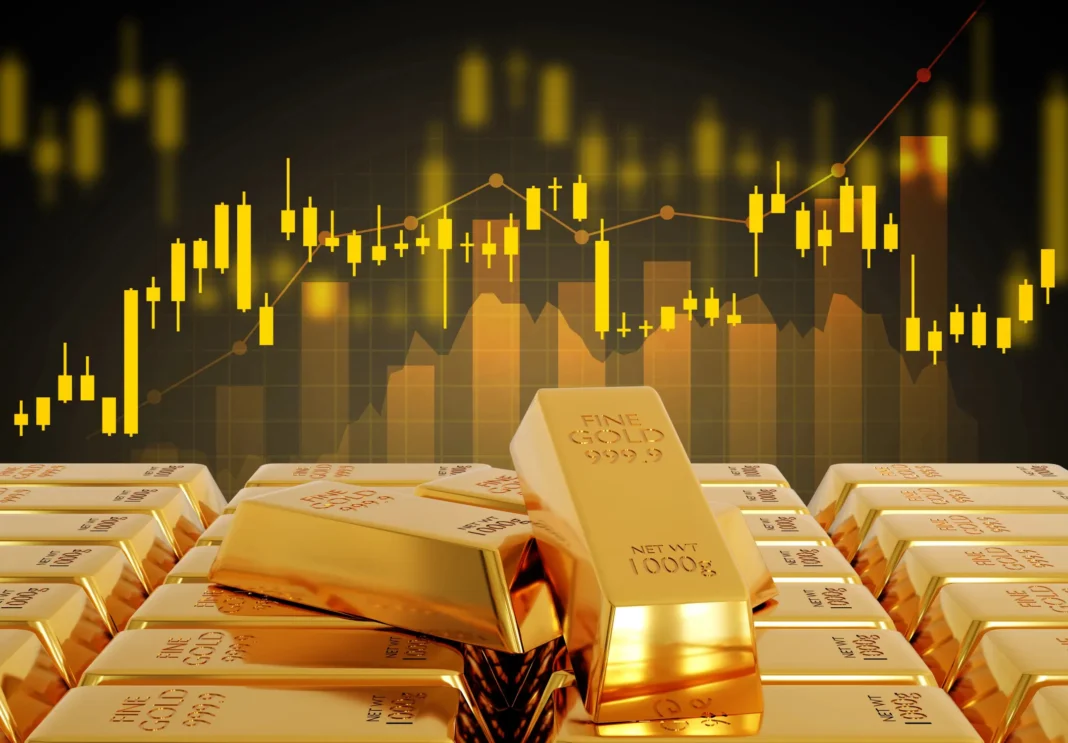
Gold prices climb across Iraq this Tuesday as investors seek a safe haven during the ongoing regional energy crisis. New data from the Baghdad and Erbil markets shows a significant jump in the value of gold since yesterday.
In Baghdad’s famous Al-Nahr Street, the selling price for 21-carat imported gold reached 1.130 million IQD per mithqal. This figure represents a notable increase from Monday’s closing price of 1.110 million IQD for the same weight.
Consequently, local traders report a surge in demand as families and investors look to protect their wealth from currency fluctuations. Gold prices climb whenever geopolitical instability threatens the stability of traditional financial assets in the Middle East.
The latest survey confirms that 21-carat Gulf, Turkish, and European varieties now command a buying price of 1.126 million IQD. Meanwhile, the selling price for 21-carat Iraqi gold stood at 1.100 million IQD, with a buying price of 1.096 million IQD. In retail jewelry stores, prices varied slightly depending on the location and the craftsmanship of the pieces.
Specifically, Gulf gold sold for between 1.130 million and 1.140 million IQD in most high-end Baghdad shops. These rapid changes highlight the sensitivity of the local market to the broader economic shocks currently affecting the region. Therefore, many citizens are monitoring the daily rates closely before making any significant wedding or investment purchases.
Transitioning to the northern markets, the Kurdistan Region also experienced a sharp upward trend in all gold categories. In Erbil, 22-carat gold sold for 1.175 million IQD per mithqal, marking one of the highest rates this year. The 21-carat variety reached 1.121 million IQD, while the more affordable 18-carat gold stood at 961,000 IQD.
These prices reflect the synchronized nature of the Iraqi economy, where both the capital and the northern provinces react to the same global pressures. Most experts attribute this trend to the record-breaking surge in global oil prices and the restricted flow of international trade. As gold prices climb, the cost of living for those planning major social events also increases significantly.
Industry analysts suggest that the current price hike stems from the collapse of tanker traffic in the Strait of Hormuz. When energy exports face major disruptions, the value of the Iraqi dinar often comes under pressure in the parallel market. Investors typically dump local currency to buy gold or dollars as a defensive strategy against inflation.
Furthermore, the central bank’s efforts to stabilize the exchange rate have pushed more people toward physical gold ownership. This shift in consumer behavior ensures that the jewelry markets in Baghdad and Erbil remain crowded even during these difficult times. Most traders expect the market to stay volatile until the security situation in the Gulf improves.
Looking forward, jewelry shop owners in Al-Nahr Street anticipate even higher rates if the regional conflict persists through the spring. They have adjusted their inventory levels to meet the high demand for solid gold bars and coins over ornate jewelry.
Meanwhile, the government continues to monitor the markets to prevent any illegal price manipulation or smuggling activities. Residents are advised to keep their purchase receipts and only deal with licensed vendors to ensure the purity of their gold. For now, the focus remains on the daily price updates from the international bullion markets in London and New York. Ultimately, the future of local gold rates depends on the stability of the global energy sector.