



Global markets are witnessing a gold demand surge as investment activity accelerates in 2026. This gold demand surge reflects strong interest from Asia and the UAE. Investors continue to respond to economic uncertainty and rising prices.
Global gold demand reached a record value of $193 billion in the first quarter. This marks a sharp 74 percent increase compared to last year. Prices played a major role in driving this growth. Gold averaged $4,873 per ounce during the quarter. Prices even peaked above $5,400 in January before easing later.
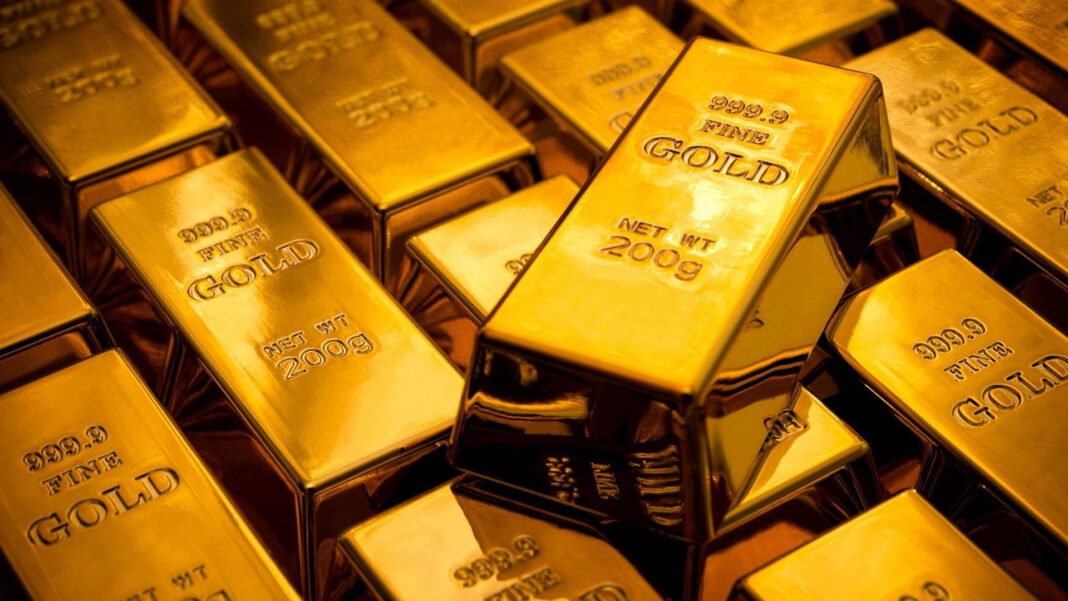
Meanwhile, total gold demand rose slightly by 2 percent to 1,231 tonnes. Investment demand fueled most of this increase. Demand for gold bars and coins jumped 42 percent to 474 tonnes. This represents one of the strongest quarters in recent history.
Asian markets led the surge, but the UAE also showed strong momentum. Retail investors in Dubai and Abu Dhabi continued to favor physical gold. They often choose bars and coins to protect wealth. Inflation concerns and currency shifts drive these decisions.
Exchange-traded funds linked to gold recorded inflows of 62 tonnes. However, this figure declined compared to last year. Analysts point to US fund outflows and rate expectations as key reasons. These factors limited stronger ETF growth.
At the same time, jewelry demand weakened بسبب high prices. Global consumption dropped 23 percent to around 300 tonnes. However, the value of jewelry sales rose 31 percent. Higher prices pushed total spending to $47 billion.
Consumers in the UAE adjusted their buying habits. Many opted for lighter jewelry pieces. Others delayed purchases until prices stabilize. Still, demand remained steady during weddings and festive seasons.
Central banks also supported the market during this period. Net purchases reached 244 tonnes, marking a 3 percent increase. Many countries continue to diversify reserves away from traditional currencies.
Technology demand for gold increased slightly by 1 percent. Growth in electronics and artificial intelligence supported this trend. Supply also grew by 2 percent, reaching 1,231 tonnes. Mining output and recycling activity contributed to this rise.
Looking ahead, geopolitical tensions may sustain the gold demand surge. Ongoing global risks continue to influence investor behavior. Many investors seek stability through physical gold holdings.
Experts expect strong demand for bars and coins to continue. Asia and the Middle East will likely remain key markets. However, high prices may continue to pressure jewelry demand.
The gold demand surge highlights shifting global investment patterns. Investors increasingly turn to gold during uncertain times. This trend may shape market dynamics throughout 2026.