



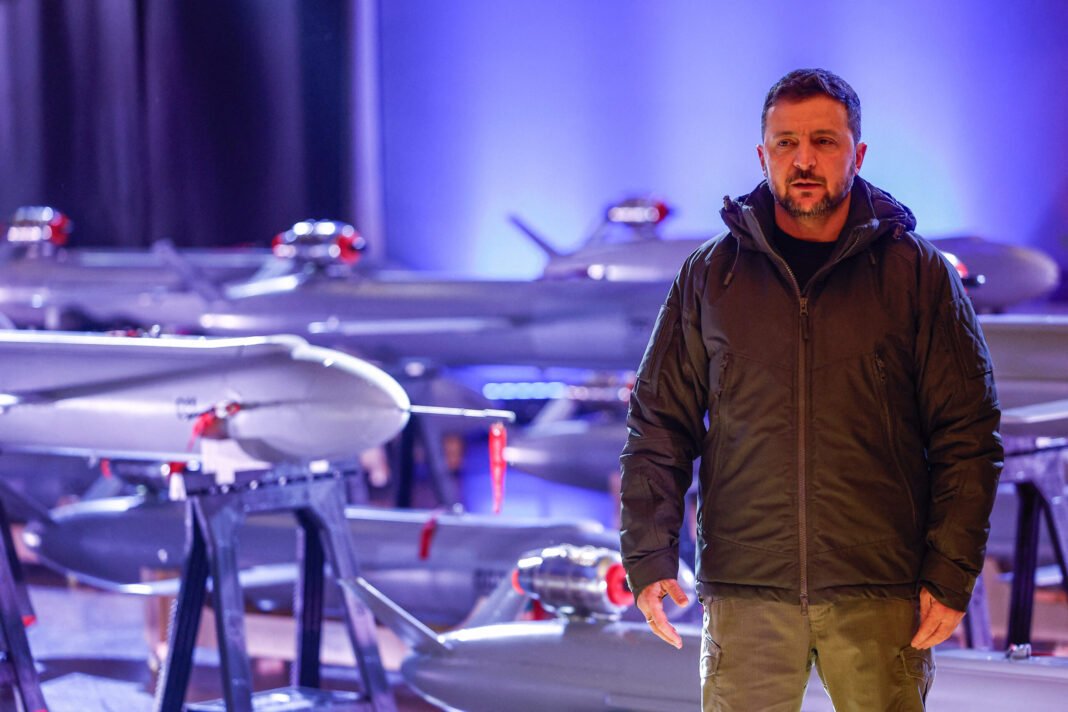
Saudi Arabia is currently negotiating a deal with Ukraine to purchase specialized interceptor drones. These systems neutralize Iranian-made Shahed strike drones that recently targeted regional energy hubs. Reports value the potential deal at several million dollars. This includes a large air-defense equipment batch.
Riyadh is also considering the purchase of Ukrainian electronic warfare (EW) systems. These tools jam the communication signals of incoming suicide drones before they reach their targets. A Saudi weapons manufacturer acts as a local intermediary to finalize this contract as early as this week.
Ukraine also provides critical human expertise to its partners in the Middle East. President Volodymyr Zelensky confirmed on Tuesday that three professional teams traveled to Qatar, the UAE, and Saudi Arabia. These specialists share their practical knowledge of downing Shahed drones under active combat conditions.
At least 11 countries neighboring Iran have formally requested assistance with Ukrainian technology. Qatar recently sent representatives to Ukraine to study the “Drone Wall” defense strategy firsthand. This system integrates high-speed interceptors, like the “Sting” drone, with advanced software to create a multi-layered shield.
Successful implementation of these systems could lead to long-term defense manufacturing partnerships between Kyiv and Riyadh. Ukraine’s Wild Hornets group produces over 10,000 “Sting” interceptor units per month. Meanwhile, Saudi Arabia invests heavily in localizing the production of these technologies through its own defense firms.
Ukraine recently dispatched a specialized team to Jordan to protect U.S. military bases. This deployment follows a direct request from Washington to counter persistent drone strikes on facilities like the Muwaffaq Salti airbase. Ukrainian experts now integrate their systems with local defense networks for better protection.
This strategic shift toward low-cost interceptors addresses a major “math problem” in modern air defense. While a traditional Patriot missile costs roughly $4 million, a Shahed drone costs only $50,000. Ukrainian interceptors, priced at $2,000, finally allow defenders to achieve a sustainable and effective response.
Ukrainian teams also train Gulf forces in advanced acoustic sensing and radar integration techniques. These methods allow for earlier detection of low-flying drones that often evade standard defense systems. Operators intercept targets with high precision by combining digital tracking with manual piloting throughout the engagement.
Ultimately, this cooperation marks an extraordinary pivot in the global arms landscape. A nation fighting for its own survival now exports vital innovation to the world’s wealthiest states. As the conflict expands, these Ukrainian technologies remain essential for protecting global energy supplies and critical infrastructure.
European Union leaders also endorsed the “Drone Wall” project to secure the bloc’s eastern borders. This initiative draws heavily on Ukraine’s battlefield experience to build a networked defense grid across the continent. Member states expect the system to reach initial operational capacity by the end of 2026.