



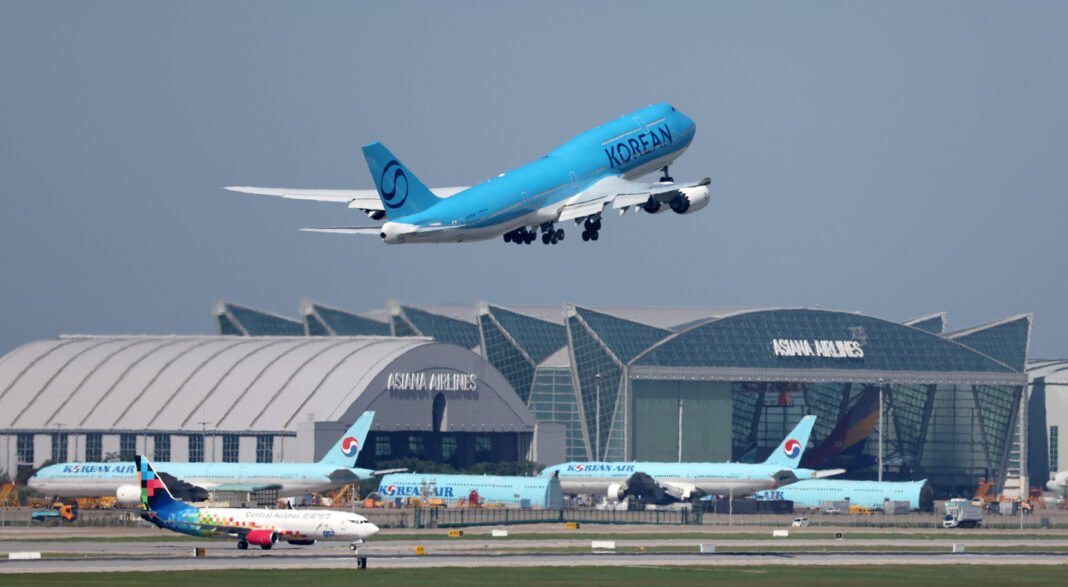
Korean Air officially extended its suspension of flights between Incheon and Dubai this Wednesday. The carrier originally planned to resume the KE951 and KE952 routes this coming Sunday.
However, ongoing military conflicts in the Middle East forced a change in plans. The airline now expects these services to remain grounded until at least March 28. This decision follows an official notification from Dubai authorities regarding an extended flight ban.
Consequently, travelers face two more weeks of significant disruption on this critical international corridor. Korean Air remains the only South Korean carrier operating regular direct flights to the United Arab Emirates.
The initial suspension began on February 28 following U.S. and Israeli air strikes against Iranian targets. At that time, Korean Air safely recalled flight KE951 and canceled the return leg to protect its passengers.
Since then, the regional security environment has remained highly volatile for commercial aviation. Iranian retaliatory strikes have targeted several major airports across the Gulf, including Dubai International.
Therefore, the airline prioritizes safety over schedule by avoiding these high-risk zones entirely. This proactive measure aligns with similar actions taken by global carriers like American Airlines. Many operators now wait for a verified halt to all drone activity.
Dubai authorities notified Korean Air of the extended ban earlier today to ensure maritime and aerial safety. The Civil Aviation Authority continues to monitor the impact of regional missile threats on standard flight paths.
Specifically, the frequent use of low-altitude interceptor drones creates a dangerous environment for large commercial jets. This notification effectively locks the “Sky Blockade” in place for at least fourteen more days.
As a result, the airline must find alternative solutions for passengers currently stranded in Seoul or the Gulf. Most travelers now utilize transit hubs in Europe or Central Asia to complete their journeys.
Transitioning to the broader impact, this extension adds further financial pressure to the international travel sector. Korean Air had previously reported a successful 2025 with reduced carbon emissions and increased flight volumes.
However, the sudden closure of Middle East routes threatens to reverse these recent gains. The carrier must now manage the logistical challenge of rerouting its long-haul fleet away from the conflict zone.
Furthermore, the high cost of fuel continues to strain the operational budgets of all major airlines. Industry analysts worry that prolonged suspensions will lead to a permanent shift in global travel patterns.
Looking forward, Korean Air plans to review its flight schedule daily as new intelligence becomes available. The carrier will decide on a permanent resumption date based on the evolving security situation after March 28.
Meanwhile, affected customers can request full refunds or rebook through the airline’s official mobile application. The company also encourages travelers to stay updated through digital alerts provided by the South Korean Ministry of Foreign Affairs.
Ultimately, the full reopening of the Incheon-Dubai route depends on a successful de-escalation of the military confrontation. Most experts believe that stability in the skies requires a verified regional ceasefire agreement.