



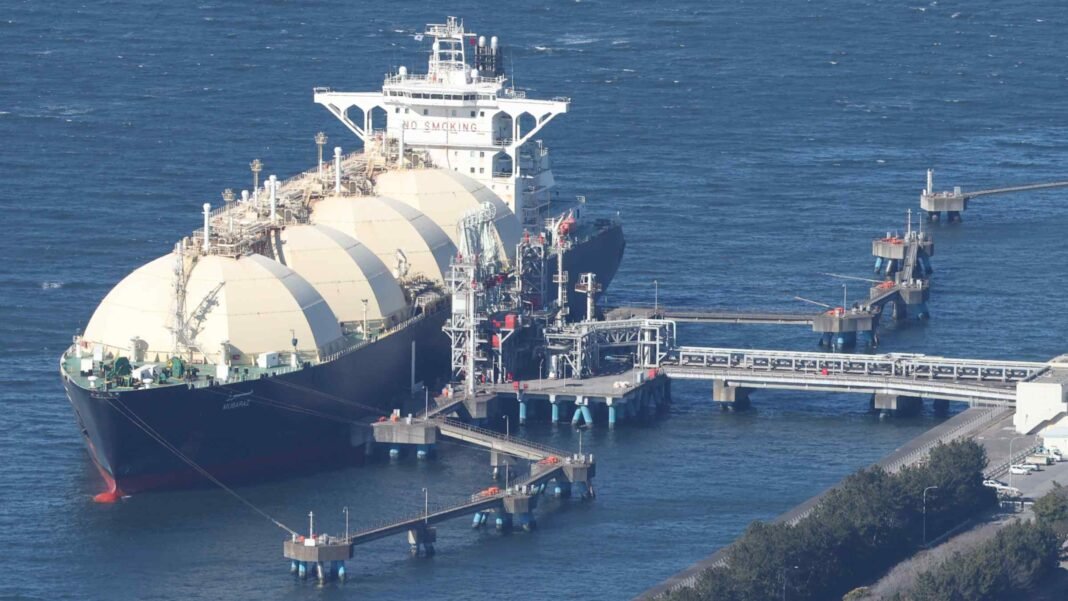
QatarEnergy recently halted all operations at its massive LNG production complex this Wednesday. Data confirms that no shipments have left the country for five consecutive days. This represents the longest export gap for Qatari gas since the 2008 financial crisis.
No LNG carrier has successfully passed the Strait of Hormuz since February 28. This maritime freeze affects both Qatari and Emirati vessels, removing 20% of the world’s supply.
Consequently, the global energy market now faces a severe shortage of superchilled fuel. The shutdown follows direct Iranian drone strikes on the Ras Laffan and Mesaieed industrial cities.
QatarEnergy officially declared force majeure on all international exports following the March 2 attacks. The company took this step to protect its legal standing during these extraordinary circumstances.
Military strikes caused significant damage to the cooling units required for liquefaction. Repairing these specialized facilities will likely take several weeks to complete safely. Even if regional hostilities end immediately, the production restart cannot happen overnight.
Therefore, global buyers must now find alternative sources to meet their immediate heating and industrial needs. This production halt has essentially paralyzed one of the world’s most critical energy hubs.
The supply gap caused an immediate surge in gas prices across Asian and European markets. Buyers in Japan and South Korea are currently paying record premiums for available cargoes.
This price spike forced at least eight U.S. LNG tankers to divert toward Asia mid-voyage. These vessels originally planned to deliver fuel to Europe but changed course for higher profits. Consequently, European gas prices spiked further as their expected deliveries failed to arrive.
Therefore, the Qatari shutdown has triggered a domino effect across the global logistics chain. U.S. producers cannot fill this void because their facilities already run at maximum capacity.
Morgan Stanley analysts warn that a month-long shutdown will create a permanent market deficit. They recently revised their earlier forecasts that predicted an LNG glut for the 2026 calendar year.
While Rystad Energy remains optimistic about a temporary disruption, the physical reality is challenging. New liquefaction projects scheduled for later this year are not ready for early startup.
Furthermore, the lack of secure shipping lanes prevents even existing stocks from reaching the open market. The industry now watches for any sign of a diplomatic breakthrough in the Gulf. Until then, the global economy remains vulnerable to these unprecedented energy price swings.
Looking forward, QatarEnergy is coordinating with international engineering firms to assess the repair timelines. The government in Doha is also working with regional allies to establish a protected maritime corridor. Such a “safe zone” is essential for resuming the flow of tankers through the Strait.
Meanwhile, major importers are implementing emergency conservation measures to stretch their existing gas reserves. Most observers believe that the current crisis highlights the extreme vulnerability of centralized energy infrastructure. Ultimately, the restoration of the global gas market depends on the security of the Ras Laffan complex

