



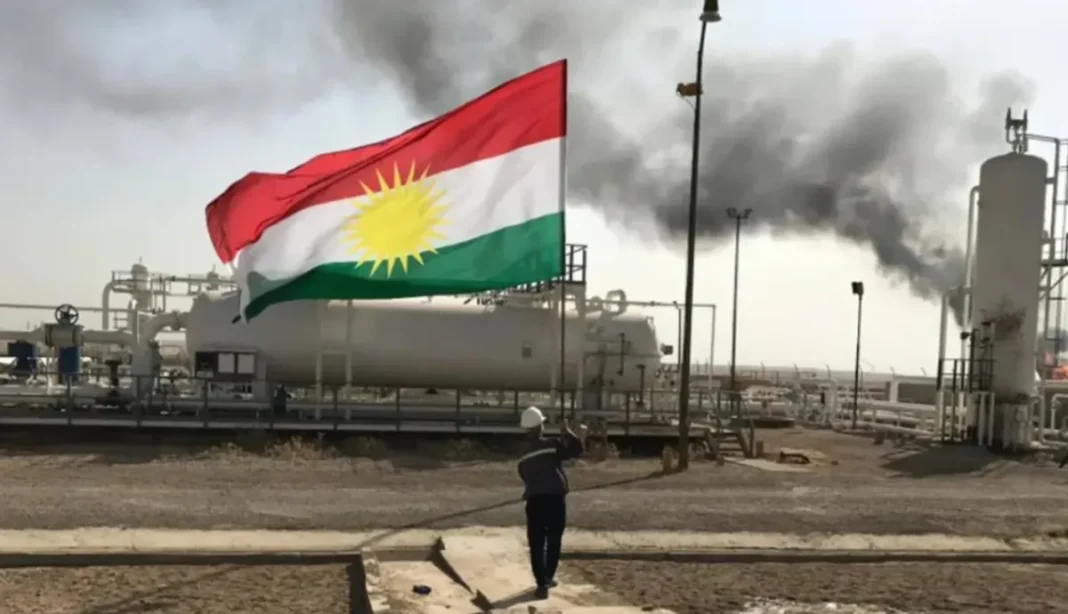
The Iraq–Kurdistan oil dispute has intensified after Kurdish authorities refused to restart exports through the northern pipeline to Turkey. The disagreement comes as regional conflict raises concerns about global oil shipments.
Baghdad wants to resume exports through the northern pipeline to the Turkish port of Ceyhan. Iraqi officials say shipments could restart quickly if an agreement is reached.
The pipeline has long served as a key route for Iraqi crude exports. It connects fields in federal Iraq and the Kurdistan Region to global markets. Before the halt, the pipeline carried large volumes of oil. It can transport up to 900,000 barrels per day.
Baghdad says it is ready to resume exports immediately. Officials propose shipping about 300,000 barrels per day through the pipeline. An additional 200,000 barrels previously came from fields in the Kurdistan Region.
However, Kurdish authorities have refused to restart exports for now. They say several political and economic issues must be resolved first. This position has increased tensions between Baghdad and Erbil.
The dispute has become more urgent due to rising regional instability. Ongoing conflict has disrupted shipping routes in the Middle East. These developments raise concerns about oil flows through the Strait of Hormuz.
Most Iraqi oil exports travel through southern ports in the Gulf. Any disruption to that route could affect national revenues. Officials therefore see the northern pipeline as an important alternative.
The dispute has now reached the Iraqi parliament. Lawmakers scheduled a high-level meeting for March 17. Federal and Kurdish officials will attend the talks.
Participants are expected to include Iraq’s deputy prime minister and oil minister. The Kurdistan Regional Government’s minister of natural resources will also attend. Senior officials from the Oil Ministry will join the discussions.
Representatives from the State Organization for Marketing of Oil will also participate. The meeting will focus on technical and legal steps needed to restart exports.
Some Iraqi lawmakers have reacted strongly to the Kurdish position. Adnan Faihan al-Dulaimi warned that the situation could weaken federal authority over national resources.
He said blocking exports sets a dangerous precedent. According to him, such decisions could increase political pressure on the central government.
Al-Dulaimi also raised concerns about Iraq’s Development Road project. The project aims to connect the Persian Gulf with Europe through Iraq. He suggested redesigning parts of the route to reduce dependence on regional political decisions.
Political groups supporting Prime Minister Mohammed Shia’ al-Sudani also criticized the Kurdish stance. The parliamentary Construction and Development Bloc said the decision came during a period of major regional instability.
The group stressed that Iraq’s constitution gives the federal government authority over oil exports. Article 111 states that oil and gas belong to all Iraqi citizens. Article 110 gives the central government authority over financial policy.
Kurdish officials rejected Baghdad’s claims. The Kurdistan Region’s Ministry of Natural Resources said federal statements misrepresented the issue. Officials in Erbil say the dispute involves broader economic and security challenges.
Kurdish authorities accused Baghdad of restricting the flow of U.S. dollars to traders. They say these restrictions began in January under the ASYCUDA customs system. According to Kurdish officials, the measures disrupted commercial activity.
They also highlighted security threats to energy infrastructure. Several oil and gas facilities in the region have faced drone attacks in recent months. These incidents disrupted production and prevented exports.
Despite the tensions, Kurdish officials say they remain open to dialogue. They called for immediate technical discussions between experts from both sides.
Economists warn the dispute could affect Iraq’s finances if it continues. Oil revenues fund most government spending in the country.
Mudher Mohammed Saleh said Iraq may need domestic borrowing if exports fall significantly. Reduced exports could affect salaries and financial obligations.
The upcoming parliamentary meeting may therefore prove crucial. Officials hope negotiations will restart pipeline exports soon. Without an agreement, the Iraq–Kurdistan oil dispute could deepen during an already unstable regional period.