



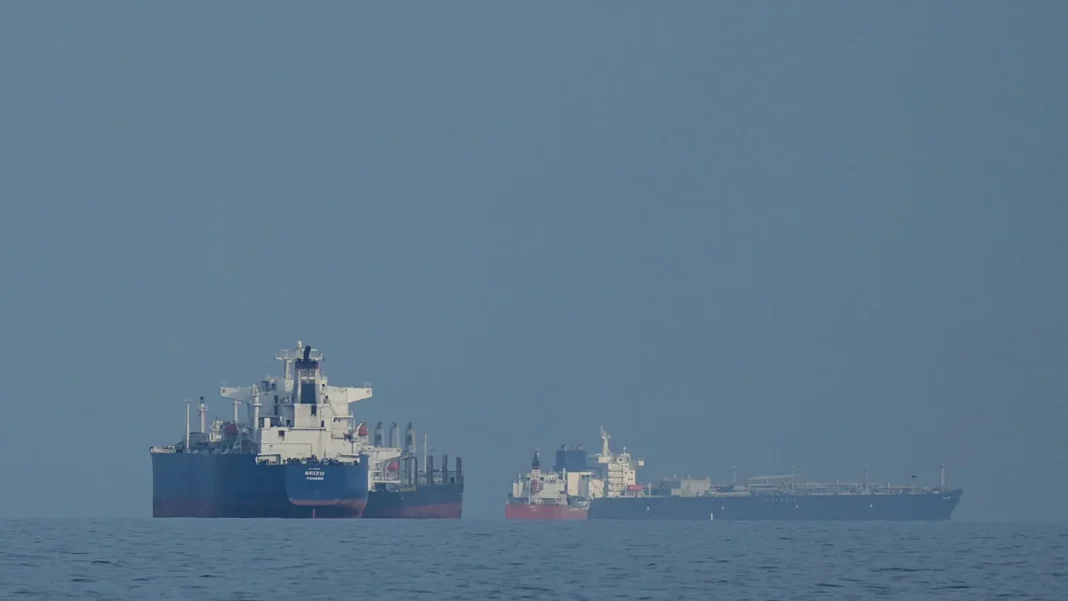
UAE oil production has fallen by more than 50% following recent regional tensions. The conflict with Iran and the effective closure of the Strait of Hormuz forced state-owned ADNOC to suspend operations at key facilities.
ADNOC halted oil loading at the port of Fujairah after a drone attack disrupted activity. This follows repeated attacks on the port over the past two weeks. The shutdown has affected both onshore and offshore production. Sources confirm that all offshore fields are now offline.
Before the disruptions, the UAE produced nearly 3.4 million barrels per day, accounting for more than 3% of global demand. ADNOC exported significant volumes from major fields such as Upper Zakum, Das Blend, and Umm Lulu. Onshore Murban crude exports had recently risen to around 1.5 million barrels per day in February.
The situation has triggered wider concerns across the Middle East. Saudi Arabia reduced output by about 20%, while Iraq cut production by roughly 70%. Analysts estimate total oil production losses in the region now range from 7 to 10 million barrels per day. This represents roughly 7% to 10% of global oil demand.
The disruption of commercial shipping through the Strait of Hormuz has intensified the crisis. The narrow waterway normally handles nearly a fifth of the world’s oil supply. Analysts warn that prolonged closures could destabilize global energy markets and raise fuel costs worldwide.
Energy experts note that ADNOC’s production cut reflects both security precautions and technical shutdowns known as “shut-ins.” The company prioritized the safety of personnel and infrastructure amid drone attacks targeting its facilities.
Market watchers say the crisis underscores the Gulf’s vulnerability to regional conflicts. Countries heavily dependent on oil exports now face mounting pressure to maintain revenue streams. Meanwhile, global industries reliant on Gulf oil may experience higher costs and supply chain delays.
Officials stress that ADNOC and regional authorities continue monitoring the situation. Efforts are underway to resume operations as soon as it is safe, though no timeline has been confirmed. Analysts caution that volatility in oil prices may continue while geopolitical tensions remain high.
UAE oil production decline highlights how quickly regional instability can impact global energy supply. Policymakers and investors alike are watching developments closely, anticipating potential economic ripple effects worldwide.

