



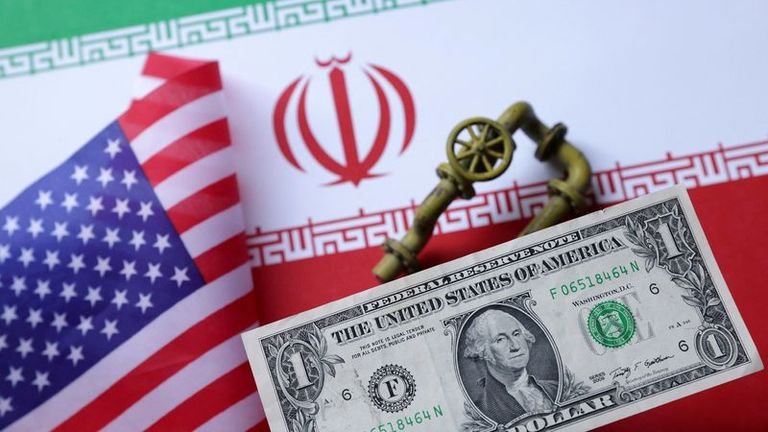
The U.S. dollar recovered against major currencies on Tuesday amid rising tensions in the Gulf. The UAE and Saudi Arabia signaled a tougher line on Iran. Investors are cautious, and global currency markets reacted quickly.
To begin with, President Donald Trump said on Monday that he wants to end the conflict and is exploring talks with Iran. However, both the UAE and Saudi Arabia made it clear they could escalate actions to protect their interests and regional stability. They fear Tehran gaining long-term influence over the Strait of Hormuz.
Reports suggest Gulf allies may take a more active role in regional defense. This stance has contributed to the dollar recovery as investors shift toward safe-haven assets. The delay of global events in the Gulf, including the WEF, further reflects market uncertainty.
Dollar recovery is visible in multiple exchange rates. The pound-dollar rate fell to 1.34 from 1.3436. The euro-dollar rate dropped 0.25 percent to 1.1584. Meanwhile, the pound-euro rate remained steady at 1.1570. Analysts say investor caution and rising geopolitical risk are the main drivers.
Israel is also involved in the regional dynamic. Prime Minister Binyamin Netanyahu confirmed Israeli forces will continue targeting Iran and Lebanon. Analysts warn that ongoing military actions may prolong market volatility.
Energy markets are closely tied to Gulf security. Disruptions in the Strait of Hormuz could affect global oil supply. Economists note that the U.S. dollar often benefits as a safe-haven currency when risks rise.
The broader impact is clear. Gulf states’ firm positions are reshaping alliances and influencing currency flows. As Saudi Arabia and the UAE act decisively, the dollar recovery could continue.
Looking ahead, traders will watch both diplomatic talks and security developments in the Gulf. If tensions ease, the dollar may retreat. If conflicts intensify, the dollar recovery is likely to strengthen further.

