



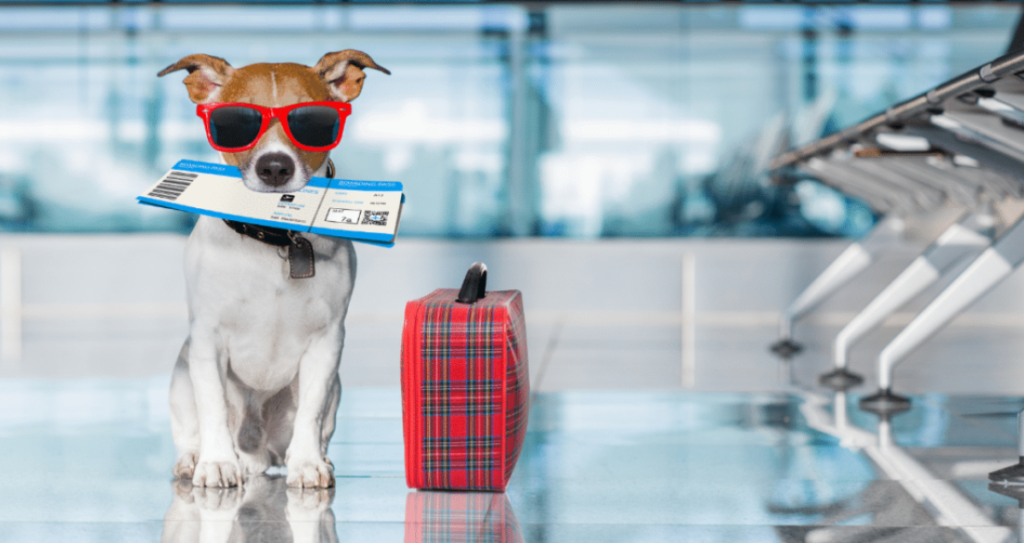
Emirates SkyCargo has launched a dedicated team to manage animal transport requests from the UAE. The move comes during a period of unstable flight schedules across the region. As a result, the airline wants to give customers clearer guidance and faster coordination.
This decision matters because pet transport often needs stricter planning than regular passenger travel. In this environment, pet travel support has become more important for families, relocations, and urgent journeys.
Moreover, the airline said the new team will manage enquiries and bookings from the first request to the final handover. That structure gives customers one clear channel during a time of uncertainty.
In many cases, pet owners face extra pressure because animals need permits, health papers, and route approval. Emirates aims to remove confusion and reduce delays. The company also wants to protect service quality while travel conditions remain difficult across several regional markets.
In addition, Emirates explained that the process starts with securing space on a flight. After that, the team provides an estimated quote based on weight and availability. Then, customers must complete the required documents at least 72 hours before departure. The airline added that every case will receive urgent and careful attention.
Consequently, pet owners may find it easier to plan complex trips. For many residents, pet travel support now offers a more practical and reliable path. Meanwhile, the decision reflects wider pressure across the aviation sector. Airlines in the Gulf have faced schedule disruptions, airspace concerns, and operational changes in recent weeks.
Because of that, many passengers now seek direct support instead of general booking channels. Emirates appears to have identified a gap in service for customers travelling with animals. Furthermore, the airline’s response shows how carriers are adapting products around real-time travel needs rather than standard booking patterns alone.
The service also highlights the growing importance of specialised logistics in aviation. Pet movement involves safety checks, handling standards, and close timing across airports and borders. Unlike standard baggage, animals require extra care at every step. Therefore, airlines that offer dedicated coordination may build stronger customer trust.
In the UAE, where many residents relocate for work and family reasons, this type of support can influence travel decisions and loyalty over time. Additionally, the move fits Emirates’ broader focus on service differentiation. The airline already competes on network strength, premium service, and cargo capability. Now it is adding a targeted solution for a sensitive travel segment.
That may help Emirates protect its brand during a volatile period. It may also support cargo-related revenues tied to animal transport and specialised handling. In that sense, the launch carries both customer value and business value.
Industry observers often note that disruption pushes airlines to innovate faster. When schedules shift often, travellers want direct answers and smoother procedures. That becomes even more important when pets are involved. Owners usually need confidence, speed, and accurate paperwork support.
Accordingly, Emirates has turned a difficult moment into a service opportunity. The company can now test whether dedicated handling improves customer satisfaction and reduces booking friction in a high-stress category.
The airline may keep this model even after operations fully stabilize. A dedicated unit could become a lasting feature if demand remains strong. It may also encourage other regional carriers to build similar services.
For now, Emirates has signaled that pet transport deserves focused care, not generic processing. As regional aviation continues to adjust, pet travel support could become a stronger part of airline strategy in the Gulf.