



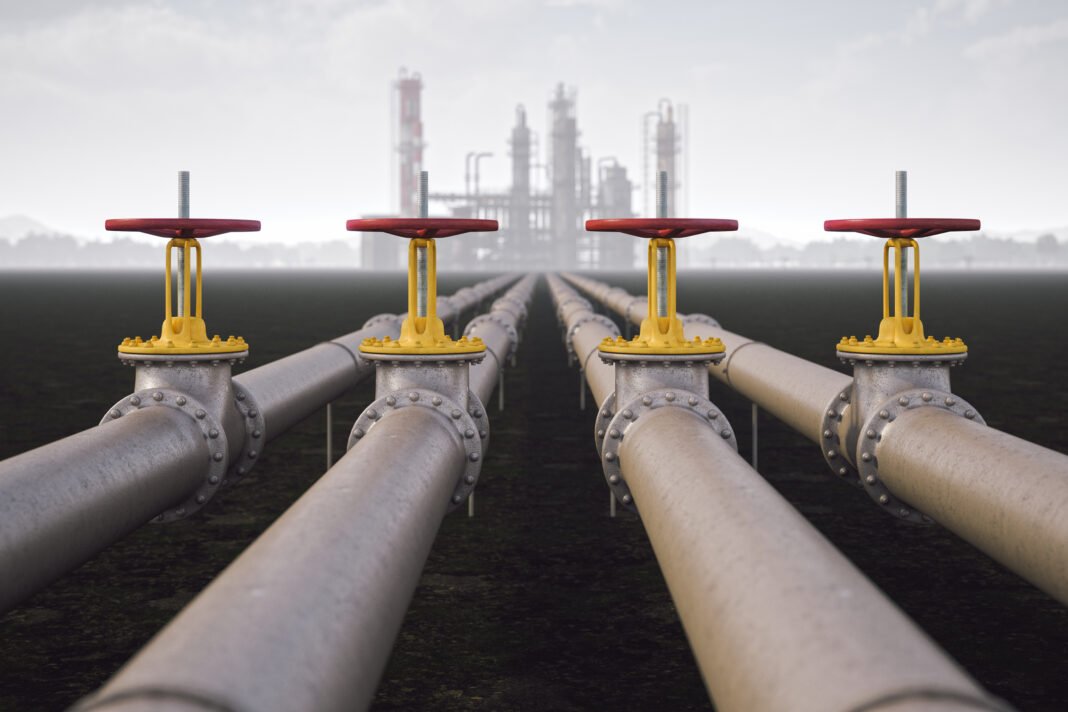
Iraq oil exports remain a key focus as Baghdad works to secure more stable and diversified shipping routes. Officials continue exploring options to reduce dependence on limited export corridors amid rising regional uncertainty.
In Iraq, authorities have reopened discussions with neighboring countries to strengthen energy infrastructure. One of the main proposals includes reviving a long-dormant pipeline route that once connected Iraq to the Red Sea.
Talks with Saudi Arabia have gained renewed attention as both sides evaluate the possibility of restoring the historic pipeline. The route previously transported crude from southern Iraq to the port of Yanbu before it was shut down decades ago.
Energy officials in Baghdad confirmed that discussions continue at an early stage. Negotiators are assessing technical requirements, operational frameworks, and long-term cooperation models. Progress remains gradual as both sides review feasibility conditions.
The pipeline once carried significant volumes of crude oil before it stopped operations in the early 1990s. At that time, geopolitical tensions led to its closure, leaving Iraq dependent on alternative export routes.
With global energy markets shifting, policymakers now view the pipeline as a strategic asset. Restoring it could help reduce pressure on southern export terminals and improve resilience in oil shipments.
At the same time, Iraqi authorities are pursuing additional export pathways. New plans include potential links through Syria and Jordan, alongside expanded storage options in regional ports.
Fuel shipments have already started moving through alternative corridors as interim solutions. These arrangements aim to maintain export stability while long-term infrastructure projects remain under review.
Industry experts say Iraq oil exports face structural challenges due to regional instability. They also highlight the importance of building multiple export channels to reduce risk exposure.
Negotiations with Saudi Arabia will likely require detailed agreements on ownership, maintenance, and operational control. Analysts expect complex discussions before any final decision takes shape.
Questions also remain about the physical condition of the old pipeline. Years of inactivity may require major rehabilitation, including inspection and reconstruction of key sections.
Despite uncertainty, policymakers continue to prioritize energy export security. Diversification efforts remain central to Iraq’s long-term economic planning strategy.
For now, Iraq oil exports continue to rely on a mix of southern terminals and alternative regional routes. Authorities believe future agreements could reshape export dynamics across the region.

