



UAE airline expansion continues to reshape global travel as regional tensions ease. Airlines in the United Arab Emirates now connect to more than 420 destinations. This figure includes direct and connecting flights across several continents. Earlier this month, the network covered around 250 destinations. However, carriers quickly increased reach as conditions improved.
Emirates, Etihad Airways, flydubai, and Air Arabia lead this growth. They maintain reduced frequencies on some routes. Yet, they continue to rebuild schedules and restore connections. At the same time, they target high-demand regions with new services.
Etihad Airways plays a key role in this UAE airline expansion. The Abu Dhabi-based carrier recently added six African destinations. These include Accra, Asmara, Harare, Kinshasa, Lubumbashi, and Lagos. The airline aims to link Africa with major markets in China and India. As a result, Abu Dhabi strengthens its position as a global transit hub.
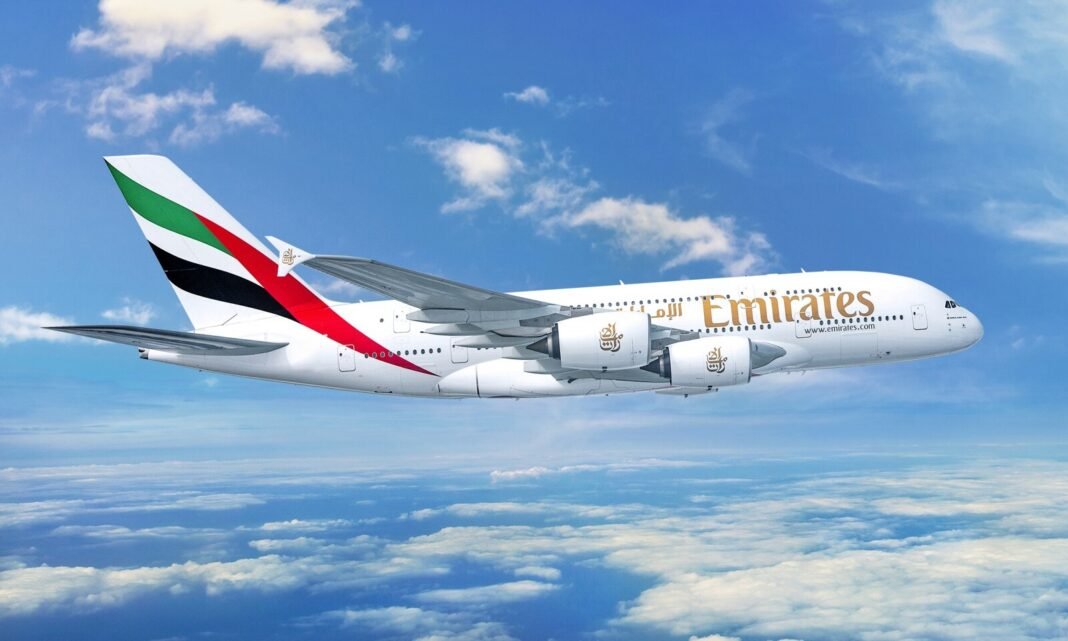
Meanwhile, Emirates operates one of the widest networks worldwide. The airline connects cities across Africa, Europe, Asia, and the Americas. Its schedule includes major destinations such as Cairo, Johannesburg, Nairobi, and Casablanca. In Asia, it serves cities like Bangkok, Tokyo, and Singapore. It also connects travelers to Europe, including London, Paris, and Frankfurt.
In addition, Emirates offers extensive coverage in North America. Cities such as New York, Toronto, and Los Angeles remain key routes. The airline also links South America with destinations like São Paulo and Buenos Aires. Consequently, Emirates supports long-haul connectivity on a large scale.
flydubai complements this network with regional and mid-range routes. It focuses on Central Asia, Eastern Europe, and the Middle East. The airline serves cities like Tbilisi, Almaty, and Istanbul. It also maintains strong connections within South Asia, including Mumbai and Karachi.
Air Arabia continues to operate budget-friendly services. It connects passengers from Sharjah, Abu Dhabi, and Ras Al Khaimah. The airline serves destinations across Africa, South Asia, and the Middle East. Cities like Cairo, Nairobi, and Dhaka remain important in its network.
Furthermore, airlines adapt schedules based on demand and operational conditions. They gradually restore frequencies while monitoring regional stability. This flexible approach helps maintain reliability and efficiency.
UAE airline expansion reflects a broader recovery in global aviation. Airlines respond quickly to shifting travel patterns and market demand. They also invest in strategic routes that strengthen international links.
UAE airline expansion will likely continue in key growth regions. Africa and Asia remain top priorities for network development. As travel demand rises, these carriers will expand further. Travelers can expect more options and improved connectivity worldwide.