



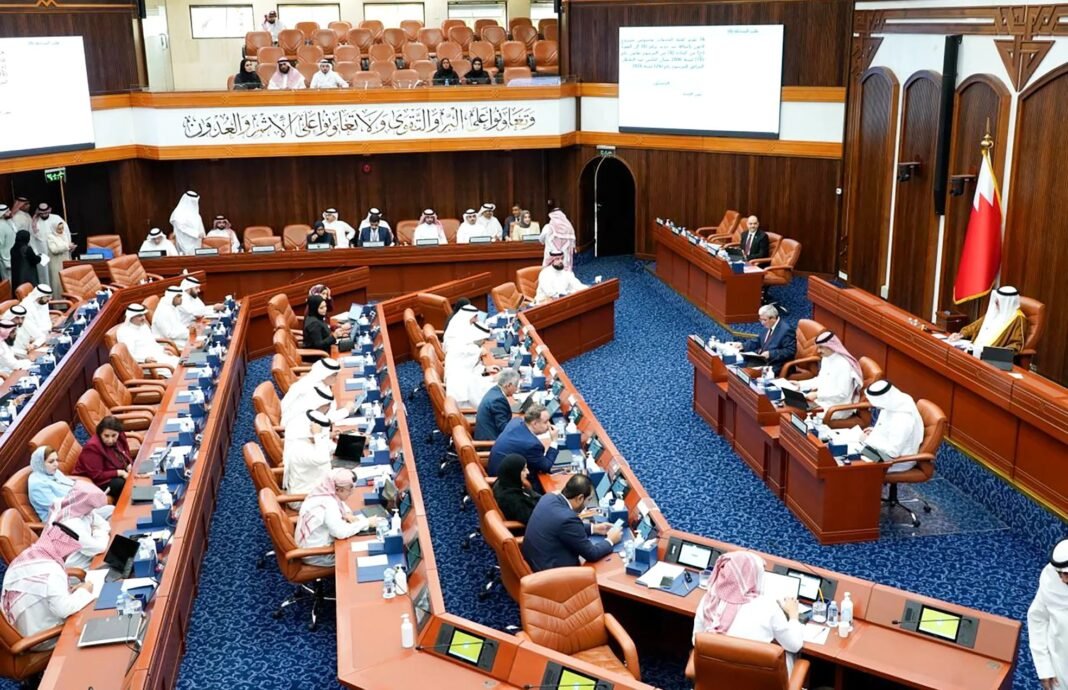
The Bahrain Association of Banks has warned lawmakers that cutting the minimum monthly credit card repayment to 2.5% from 5% could leave borrowers in debt for longer and raise the total interest they pay, as the Council of Representatives prepares to debate the proposal.
The non-binding proposal asks the government to direct the Central Bank of Bahrain to lower the minimum repayment on credit card bills to 2.5% of the outstanding balance. It would also require all banks and licensed card issuers to issue statements on the 20th of each month, with the grace period running until the next statement, according to the association’s written views reported by Akhbar Al Khaleej and other Bahraini newspapers on Saturday.
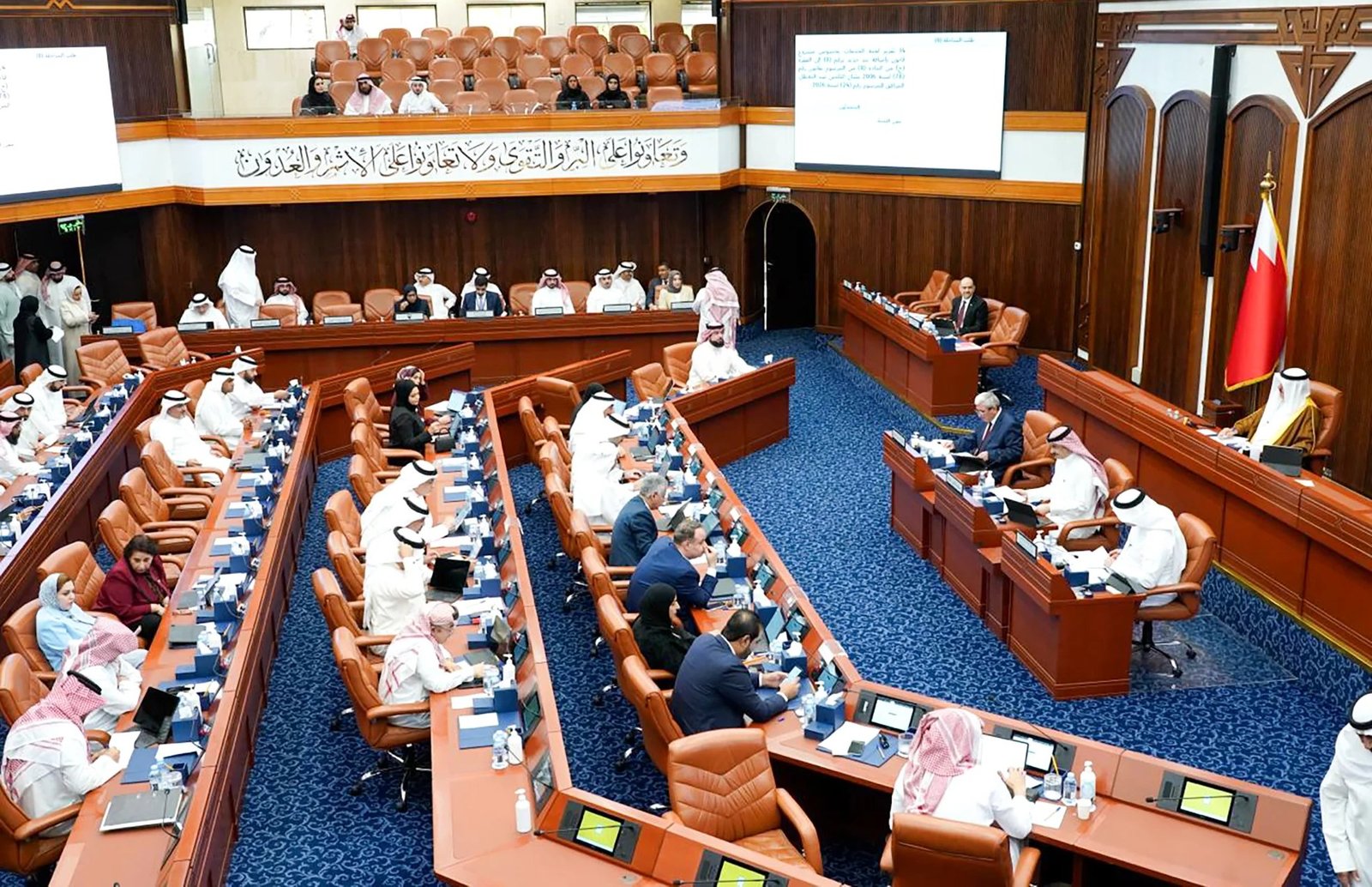
The proposal is scheduled for debate at the chamber’s next session on Tuesday, the Bahraini daily News of Bahrain reported.
Mohammed Al Maarafi, the member of parliament behind the plan, told News of Bahrain that pensioners already benefit from the lower rate and that extending it to all cardholders would ease pressure on low-income households that increasingly use credit cards to pay for basic needs.
The banks’ association said it opposed applying the 2.5% rate as a uniform, mandatory requirement across all lenders. It proposed instead that banks be allowed to offer the lower minimum at their discretion, based on their own credit policies and risk models.
Smaller monthly payments would leave higher balances outstanding for longer, the association said, increasing cumulative interest costs, particularly for customers already facing financial difficulty. Lower repayments could also gradually reduce the credit limits available to customers for everyday or emergency spending.
For lenders, slower repayment of principal would extend their exposure to credit risk and could require higher provisions for expected credit losses, as well as potentially higher capital requirements, the association said. It added that longer repayment cycles could delay early warning signs of default.
The Central Bank of Bahrain did not submit views on the proposal, Akhbar Al Khaleej reported.