



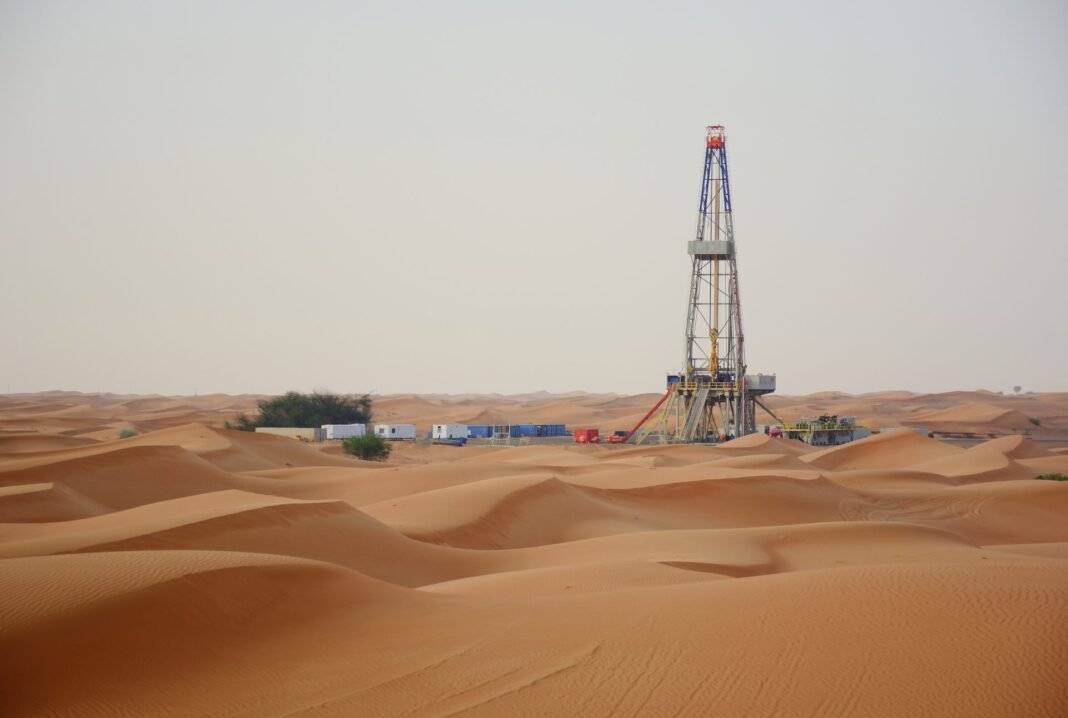
The oil price surge continues to reshape global energy markets and fuel costs. The oil price surge has pushed crude benchmarks to multi-year highs. As a result, consumers in the UAE now face higher petrol prices this month.
Global oil prices climbed sharply during recent trading sessions. Brent crude reached more than $126 per barrel earlier in the day. Later, prices remained above $120 per barrel during afternoon trading. These levels mark the highest point in nearly four years.
Supply concerns have driven this rapid increase. Shipping disruptions have reduced available oil in global markets. In particular, restrictions around the Strait of Hormuz have intensified pressure. This route handles a large share of global oil shipments.
At the same time, geopolitical tensions have added uncertainty. Military developments in the region continue to influence market sentiment. Traders have reacted quickly to any updates related to supply risks. Consequently, prices have remained volatile throughout the week.
Meanwhile, UAE authorities announced new fuel prices for May. Petrol rates increased across most categories compared to April. Super 98 rose to Dh3.66 per litre. Special 95 climbed to Dh3.55 per litre. E-Plus 91 reached Dh3.48 per litre. However, diesel prices held steady at Dh4.69 per litre.
These changes reflect global price movements rather than local policy shifts. The UAE adjusts fuel prices monthly based on international benchmarks. Therefore, rising crude costs directly impact domestic fuel rates.
The oil price surge has also affected global benchmarks differently. West Texas Intermediate has recorded a sharp increase as well. Analysts link this trend to supply disruptions and transport limitations. Reduced flow through key routes has tightened available supply.
Oil prices have reached even higher levels. In 2008, crude oil approached nearly $150 per barrel. However, current conditions differ due to modern supply chains and demand patterns.
In addition, the UAE has announced a major policy shift. The country plans to exit OPEC and its allied group. This move could allow greater flexibility in production levels. Officials aim to expand output capacity over time.
Experts suggest several possible outcomes from this decision. A gradual increase in production may stabilise prices. A faster expansion could cap rising costs if supply improves. However, a full production boost might lower prices only if demand remains steady.
Energy markets remain highly sensitive to regional developments. Supply routes, political events, and production strategies all influence prices. As the situation evolves, consumers and businesses will continue to monitor fuel costs closely.