



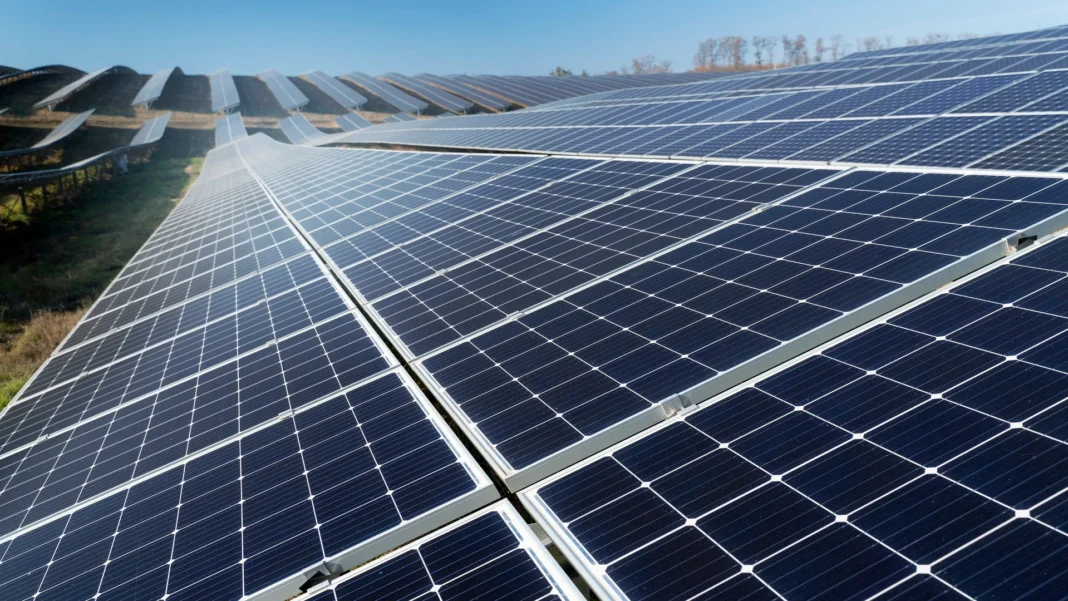
Oman moves closer to a new phase in clean energy development. The country strengthens its position in renewables through large solar projects. At the same time, energy storage becomes the next major focus. The energy storage tech sector now plays a key role in this transition.
Solar projects already shape Oman’s energy landscape. Facilities like Manah Solar Project and Ibri II Solar Plant highlight strong progress. New solar projects also move through planning and procurement stages. However, solar power alone cannot support the grid after sunset.
Therefore, long-duration storage becomes essential for future stability. Lithium-ion batteries currently support short-term demand needs. Yet they cannot provide power for extended nighttime use. This gap creates demand for more advanced solutions.
One emerging solution involves liquid air systems. This method stores energy by cooling air into liquid form at extremely low temperatures. Later, the system releases energy by warming the liquid air. As a result, the expansion drives turbines and generates electricity.
This energy storage tech offers long-duration capability for power grids. It also supports renewable integration at a larger scale. Several countries already test or deploy similar systems. Consequently, these projects show growing confidence in the technology.
China recently launched a large-scale facility using this approach. The plant stores and releases significant amounts of electricity. It also demonstrates how energy storage tech can support national grids. Meanwhile, United Kingdomdevelops similar commercial projects to improve efficiency and reliability.
Oman holds natural advantages for this industry. The country already operates advanced gas liquefaction infrastructure. This experience involves handling extremely low temperatures. As a result, technical skills already exist within the workforce.
That expertise connects directly to liquid air systems. Engineers already understand cryogenic processes and insulation methods. Therefore, Oman can adapt existing knowledge to new energy applications. This transition reduces development barriers.
In addition, Oman offers large open land areas that support industrial-scale energy facilities. Industrial zones also provide waste heat from operations. Consequently, that heat can improve efficiency in energy storage systems.
When combined with solar power, storage becomes even more valuable. Solar energy can charge systems during daylight hours. Later, stored energy can supply electricity at night. This creates a stable and flexible power supply.
Energy storage tech also supports long-term national planning. Oman aims to diversify its economy under long-range development goals. Clean energy plays a central role in this strategy. Therefore, investment in storage technology supports broader economic targets.
Oman continues building a strong renewable foundation. Solar expansion and storage development move forward together. As innovation grows, the country strengthens its energy independence. The future of energy storage tech could shape this transformation.