



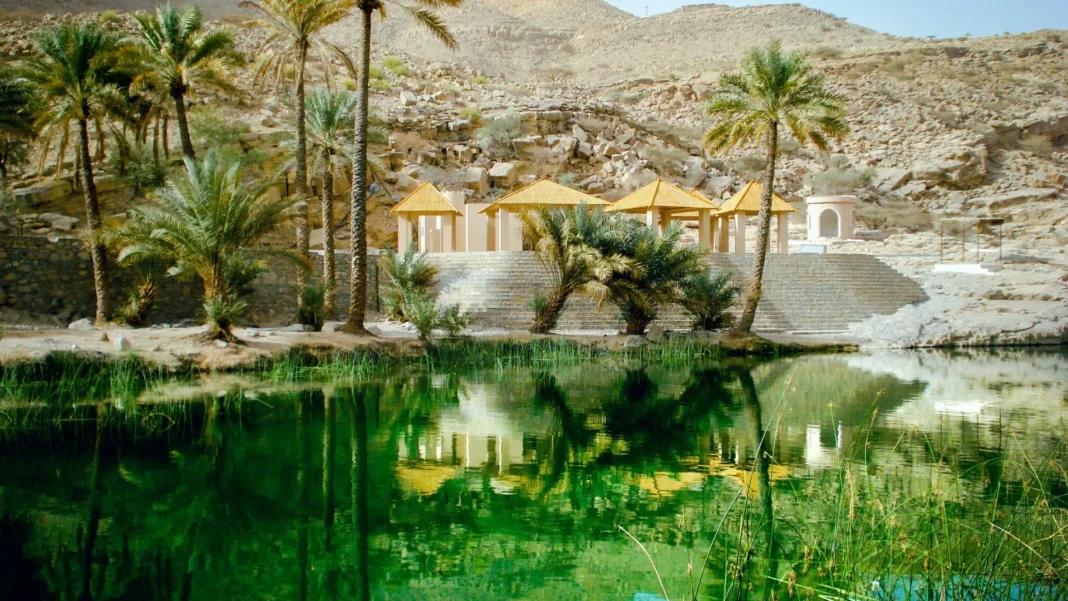
Salalah resilience marks a major milestone for Dhofar as Salalah gains global recognition under the MCR2030. Moreover, this achievement highlights strong progress in sustainability and disaster preparedness. In addition, officials in Muscat welcomed the announcement and linked it to Oman’s national tourism vision. Consequently, the designation strengthens confidence in long-term development strategies. Therefore, Salalah resilience now plays a central role in shaping future planning.
Furthermore, the Ministry of Heritage and Tourism praised Dhofar authorities for reaching this global standard. Officials explained that the MCR2030 program evaluates cities based on risk management and resilience capacity. In addition, Salalah showed strong performance in infrastructure readiness and environmental planning. Moreover, local and national institutions worked closely to achieve this outcome. Consequently, Salalah resilience reflects coordinated efforts across multiple sectors.
Meanwhile, officials highlighted Salalah’s unique combination of natural beauty and modern infrastructure. For instance, they noted that coastal landscapes and mountain areas attract growing numbers of visitors. In addition, improved transport systems and public services support tourism growth. Therefore, Salalah continues to evolve as a sustainable destination. Subsequently, Salalah resilience strengthens its position in global tourism networks.
Moreover, planners emphasized ongoing investment in eco-tourism projects across Dhofar. In addition, they focused on protecting ecosystems while expanding visitor facilities. Consequently, these efforts ensure balanced development across the region. Furthermore, private sector participation continues to support tourism expansion. As a result, Salalah resilience contributes to stronger economic diversification.
In contrast to earlier development phases, current strategies focus heavily on sustainability. Therefore, authorities now prioritize environmental protection and smart infrastructure. Moreover, training programs improve service quality across the tourism sector. In addition, collaboration with international organizations strengthens planning standards. Consequently, Salalah resilience aligns with global best practices.
Oman continues to integrate tourism growth with long-term sustainability goals. In addition, national planners invest in infrastructure that supports future demand. Meanwhile, Salalah remains a key destination in this strategy. Therefore, its recognition under MCR2030 enhances its global standing. Ultimately, Salalah’s resilience represents progress toward a more sustainable and competitive tourism economy.