

The UAE is strengthening its long-term strategy to face global uncertainty. At the core of this approach lies UAE resilience. Officials highlighted proactive planning and strong infrastructure during a recent panel discussion.
Over the past months, regional tensions have intensified. Despite this, the country continues to rely on decades of preparation. Careful planning allows leaders to respond quickly to sudden disruptions.
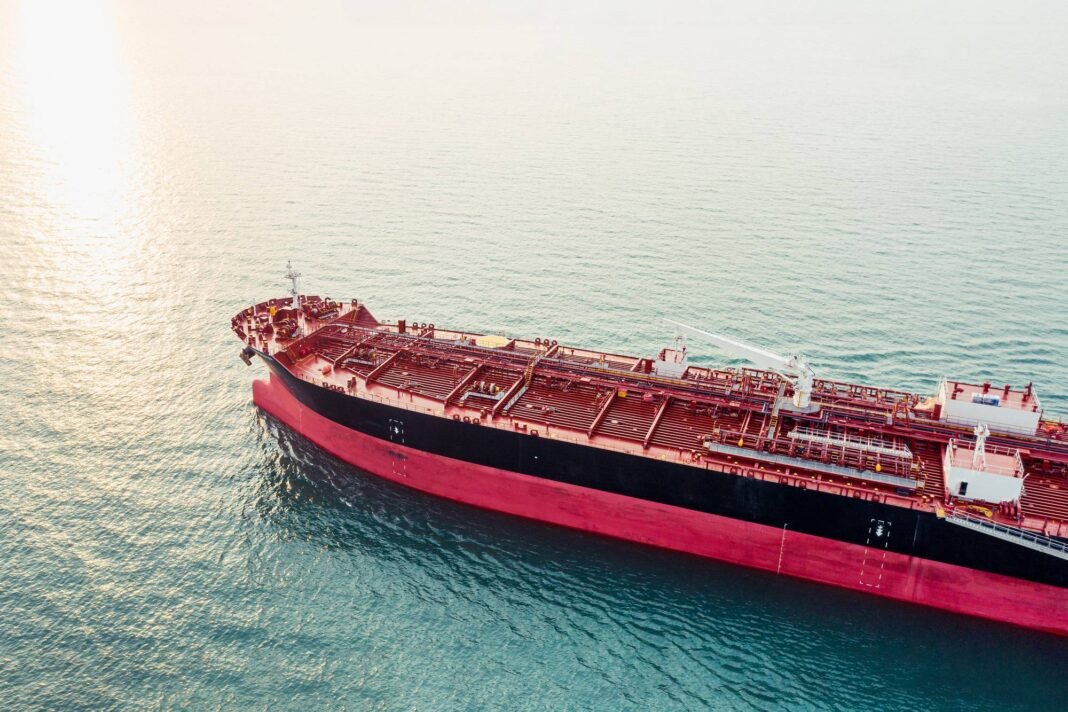
During the discussion, Suhail Mohamed Al Mazrouei stressed the importance of stable energy flows. According to him, secure shipping routes remain a top priority. Any blockage could trigger serious global supply shocks. Vulnerable economies would likely face the greatest impact.
Beyond immediate supply concerns, energy demand continues to grow. Nations now require resources for both consumption and reserves. As a result, producers must balance output carefully. This strategy helps reduce instability in global markets.
On the trade side, Thani bin Ahmed Al Zeyoudi pointed to strong national performance. The UAE surpassed one trillion dollars in trade last year. Growth has also continued into early 2026 despite global challenges.
Significant investments in logistics and transport have played a key role. Connections now extend to more than 250 ports worldwide. In addition, national fleets operate hundreds of vessels across global routes. These systems help maintain steady trade flows during crises.
Flexible operations have also reduced disruption impacts. Authorities quickly rerouted cargo when conditions changed. Air freight capacity increased during peak periods as well. Such measures ensured continued movement of essential goods.
Strong logistics networks also support price stability. Markets remain balanced because supplies continue to flow. This stability strengthens confidence during uncertain periods.
Looking ahead, leaders plan to expand investments in key sectors. Infrastructure and industry will remain top priorities. At the same time, international partnerships will continue to grow. Domestic production will also see further development.
Faisal Al Bannai highlighted rapid progress in local technology. Innovation cycles have accelerated significantly in recent years. Systems that once took years now deploy within weeks. This shift improves readiness across multiple sectors.
Locally developed technologies have already proven effective. Recent defense responses benefited from these advancements. Rapid deployment allowed quick action against emerging threats.
Overall, officials agree that preparation remains essential. UAE resilience depends on strong systems and forward planning. Future strategies will focus on flexibility and adaptability.
Mazrouei emphasized a forward-looking vision. Recovery alone is no longer the goal. Building a stronger and more flexible system now takes priority. UAE resilience will continue to guide decisions as global challenges evolve.