



Kuwait deposit extension plays a key role in supporting Egypt’s external financial stability. The arrangement highlights continued cooperation between Kuwait and Egypt.
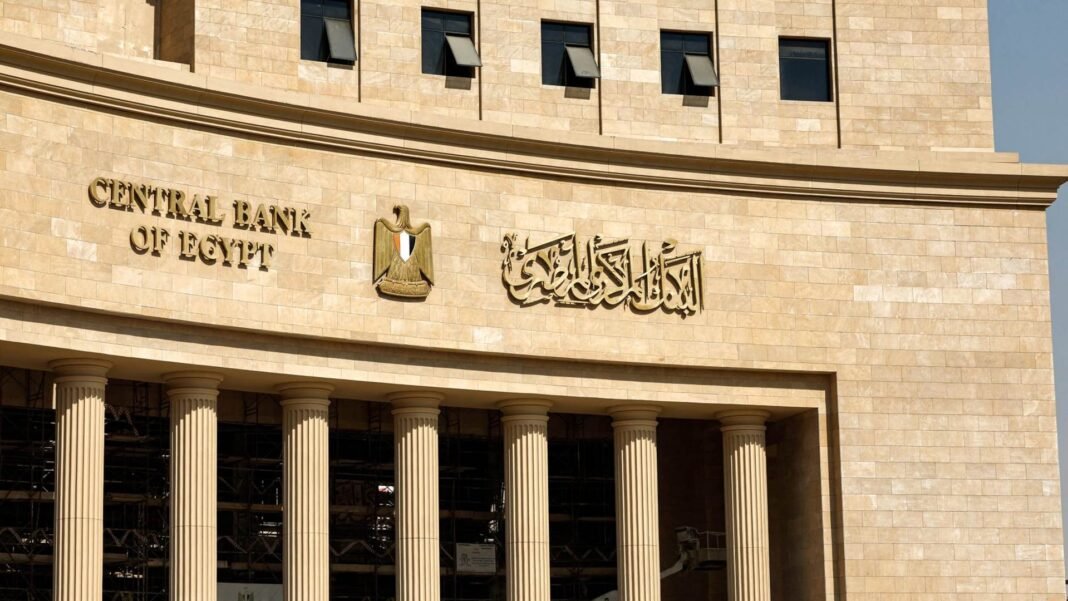
Kuwait decided to extend its $2 billion deposit placed with the Central Bank of Egypt. The extension adds one more year to the original maturity timeline. The new expiry now shifts to September 2026.
The deposit originally reached maturity in September 2025. However, authorities agreed to extend the term instead of withdrawing funds. This decision reflects ongoing financial coordination.
Kuwait maintains two separate deposits with Egypt’s central bank. Together, they amount to $4 billion in total support. Each deposit carries a different maturity schedule.
One deposit equals $2 billion and already reached its maturity period earlier. However, its current status remains unclear in official updates. The second deposit follows a confirmed timeline.
That second deposit will now mature in September 2026. This extension confirms continued financial stability between both sides. Therefore, Kuwait deposit extension reinforces confidence in bilateral cooperation.
Meanwhile, broader Arab deposits within Egypt’s banking system remain steady. These long-term deposits did not change during the first quarter of the fiscal year.
Total Arab deposits stand at $9.3 billion. Saudi Arabia contributes $5.3 billion of this amount. Kuwait provides the remaining $4 billion share.
Financial observers view these deposits as important support tools. They help strengthen foreign currency reserves. In addition, they support economic stability during periods of external pressure.
Such deposits also provide flexibility for monetary policy. They allow central banks to manage liquidity more effectively. As a result, they help maintain balance in foreign exchange markets.
Egypt continues to rely on regional partnerships for financial stability. These partnerships play a key role during global uncertainty. Kuwait deposit extension strengthens this framework further.
The extension also signals confidence in Egypt’s financial system. It shows continued willingness to maintain long-term support. Consequently, financial cooperation remains stable.
Economists note that deposit extensions reduce short-term funding pressure. They also improve reserve predictability. This supports broader economic planning efforts.
Kuwait deposit extension therefore contributes to stability across the financial sector. It also reinforces trust between regional financial institutions.
The agreement highlights steady economic cooperation. It reflects shared interests in maintaining financial balance. Kuwait deposit extension remains a key element in this ongoing partnership.

