



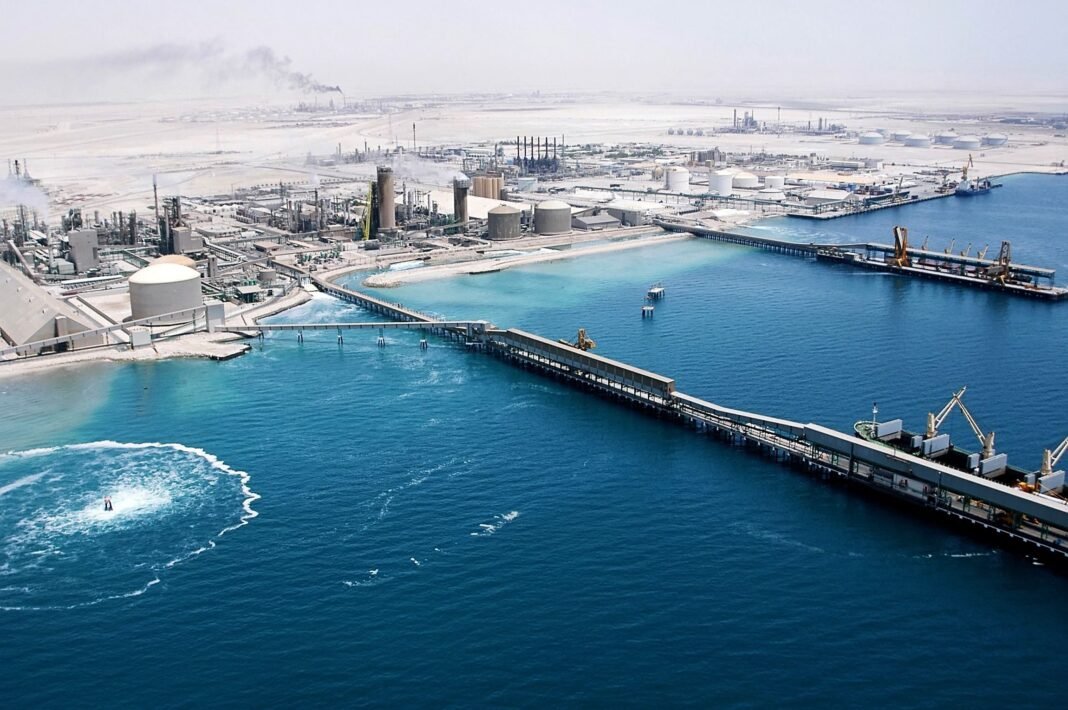
Qatar gas growth emerged as a major driver of investment activity in early 2026. Strong expansion in gas contracts strengthened the country’s projects market. Rising LNG developments further boosted momentum across the energy sector.
During the first quarter, Qatar recorded $8.8bn in total project awards. This figure increased by 62.1 percent compared to the same period last year. Energy investments played the central role in this strong performance. Gas-related contracts accounted for more than 90 percent of total awards.
LNG expansion projects delivered the biggest contribution to this growth. Authorities committed around $8bn to build new liquefied natural gas processing trains. These developments aim to significantly increase export capacity in the coming years. As a result, the gas sector reached $8.2bn in total contract value.
Construction activity, however, showed a different trend. The sector declined slightly by 2.2 percent year-on-year. It reached $610mn compared to $624mn in the previous year. This slowdown highlighted the dominance of energy-driven investment.
Regional instability created additional pressure on project markets. Some Gulf countries declared force majeure on energy infrastructure projects. This action disrupted supply chains and slowed several developments. Shipping delays also affected trade routes in key maritime corridors.
Despite these challenges, Qatar maintained strong investment momentum. Global demand for natural gas supported long-term planning across the sector. Energy revenues continued to provide funding stability for large infrastructure projects. This environment reinforced Qatar gas growth across multiple industries.
Across the Gulf region, total project awards declined by nearly 10 percent. Saudi Arabia and the UAE experienced the sharpest reductions in activity. In contrast, Qatar, Kuwait, and Oman recorded growth in contract values. This divergence reflected differing national investment strategies.
Monthly data also showed uneven performance during the quarter. January and February recorded stronger contract activity. However, March saw a significant drop in new awards. This shift highlighted growing uncertainty in regional markets.
Analysts pointed to rising logistical challenges. Shipping disruptions affected supply chains across several industries. Tensions in key waterways also increased operational risks. These conditions added pressure on project timelines and costs.
Energy exports remained the backbone of Gulf economies. Any disruption in oil and gas production directly affected government revenues. Higher global energy prices helped offset some of these risks. Still, long-term stability depended on consistent production levels.
Qatar gas growth is expected to remain central to economic expansion. Large LNG projects will continue to shape investment patterns. At the same time, regional stability and global demand will influence future performance.

