



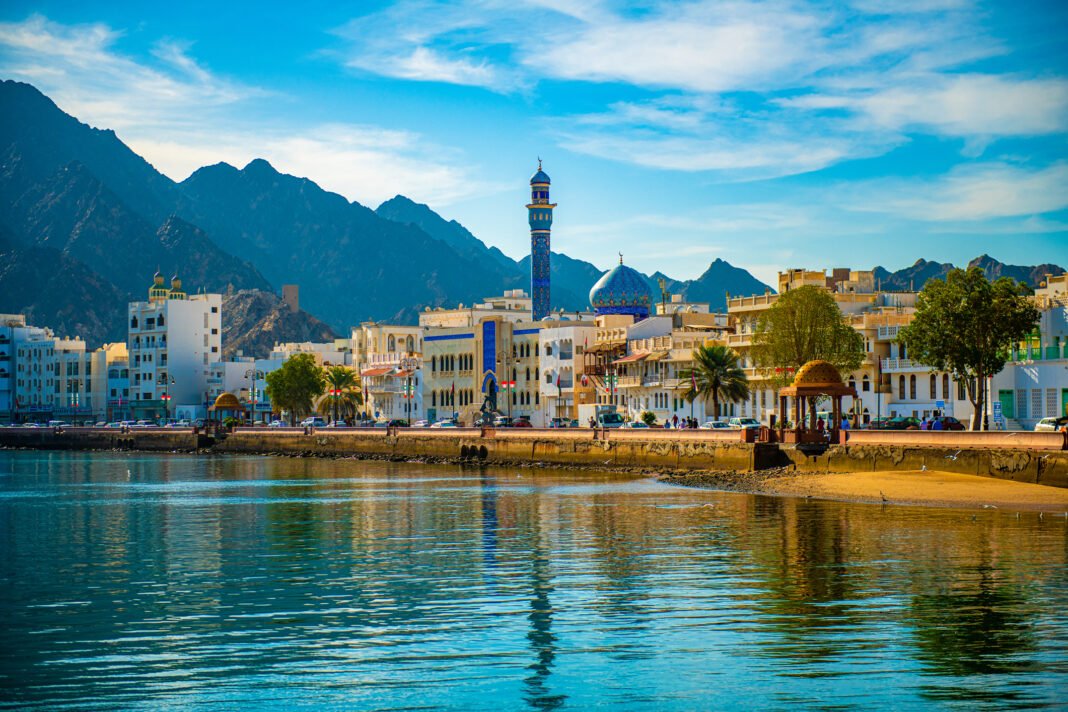
The Oman economy is entering a stronger growth phase as non-oil sectors expand and fiscal reforms deepen, according to the latest World Bank assessment. Overall, the outlook highlights improved resilience and stronger diversification under national development plans.
Moreover, the World Bank presented its findings during a Gulf Economic Update session in Muscat. Officials and economic experts reviewed progress in fiscal management, non-oil expansion, and structural reforms. In addition, they assessed how global conditions continue to affect regional economies.
Furthermore, the report shows that the Oman economy benefits from lower public debt and stronger non-oil activity. Officials stated that reforms under Oman Vision 2040 continue to drive long-term diversification and economic stability.
At the same time, the Ministry of Finance highlighted ongoing efforts to strengthen fiscal sustainability. Abdullah bin Salem Al Harthy explained that Oman continues to prioritize diversification, digital transformation, and efficient public spending. As a result, these measures aim to improve competitiveness and resilience.
Meanwhile, the Oman economy continues to adjust to global geopolitical pressures. Officials noted that regional tensions are encouraging faster reform implementation and stronger private sector participation. Therefore, policymakers are focusing on a more balanced growth model.
In addition, non-oil sectors play a central role in supporting growth. Manufacturing, logistics, tourism, and services continue to expand. Consequently, the economy is reducing reliance on hydrocarbons while improving long-term stability.
Similarly, the banking sector shows strong performance and financial stability. It maintains solid capital buffers and improved liquidity conditions. As a result, investor confidence continues to strengthen across domestic markets.
Likewise, fiscal indicators are improving due to better revenue management and tighter expenditure control. Public debt has declined in recent years, supported by more efficient government spending. Therefore, macroeconomic stability has strengthened further.
At the same time, foreign direct investment continues to grow, supported by stronger investor sentiment. Economic reforms are improving the business environment and encouraging private sector expansion. Consequently, investment flows continue to support diversification.
Moreover, policymakers are promoting trade diversification beyond hydrocarbons. They are prioritizing fisheries, tourism, and mining as emerging sectors. In turn, this strategy is building a broader and more resilient economic base.
Meanwhile, inflation and monetary conditions remain stable. This stability supports financial planning and encourages business expansion with lower risk exposure.
However, the Oman economy still faces external risks from global energy markets and geopolitical uncertainty. Even so, diversification efforts continue to reduce vulnerability to oil price fluctuations.
Additionally, the World Bank emphasized that reform momentum remains essential for sustained growth. Continued investment in infrastructure and human capital will further strengthen long-term competitiveness.
Similarly, experts highlighted stronger governance and private sector engagement as key future drivers. These factors are expected to support innovation and productivity growth.
Looking ahead, analysts expect moderate but stable growth in the coming years. In particular, non-oil expansion and fiscal discipline will remain key drivers of performance.
In conclusion, the Oman economy shows clear signs of strengthening through diversification, fiscal reform, and non-oil sector growth. Overall, long-term prospects remain positive as reform momentum continues.