



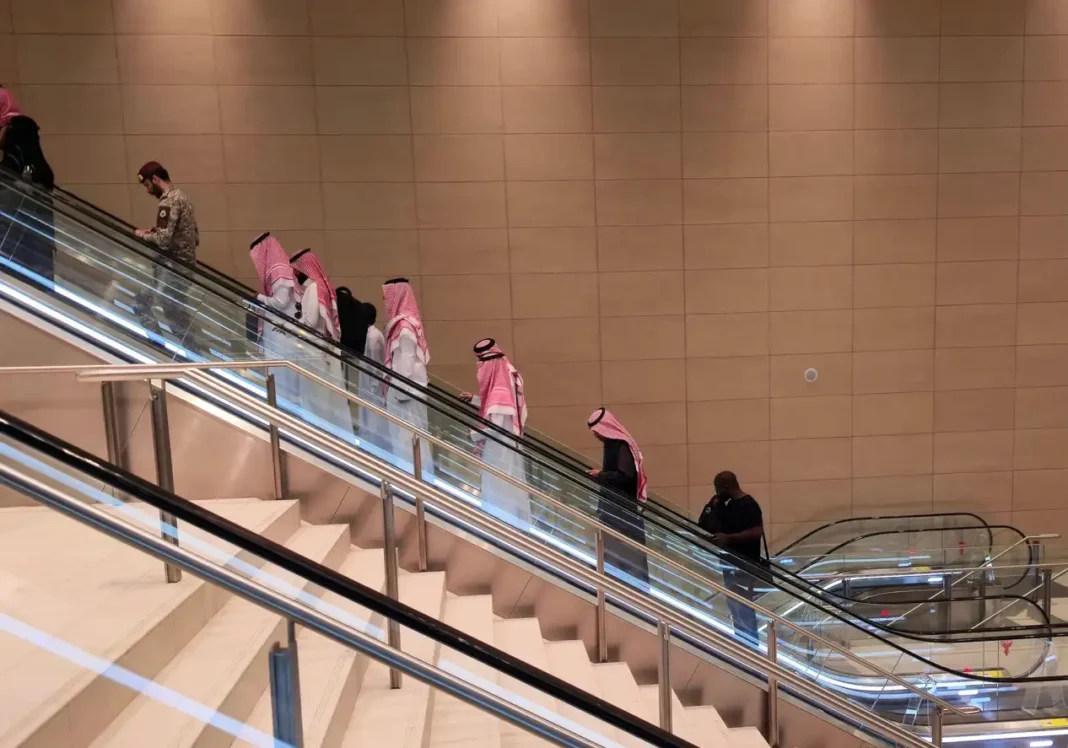
Riyadh Capital launches $400M real estate fund for Riyadh transit project to develop a mixed-use TOD near Al-Takhassusi Metro Station, boosting Saudi investment, urban development, and long-term property market growth under Vision 2030.
Riyadh Capital has launched a major investment move that strengthens Saudi Arabia’s real estate sector and urban development strategy. The firm established a $400 million fund to support a new mixed-use project in Riyadh, positioned close to a key metro station and designed to enhance city connectivity and investment appeal.
Moreover, Riyad Capital partnered with Naif AlRajhi Investment Company and Princess Munira bint Abdullah bin Faisal Al Saud to form the Dar Al Salam real estate fund. Together, they aim to develop a transit-oriented project that connects residential, commercial, and lifestyle components in one integrated space. In addition, the project reflects growing confidence in Riyadh’s expanding property market.
The development covers 32,000 square meters and sits just 250 meters from Al-Takhassusi Metro Station. Therefore, the location supports strong accessibility and long-term demand from both residents and businesses. Furthermore, the transit-oriented design aligns with Saudi Arabia’s broader urban mobility and infrastructure strategy.
Riyadh Capital highlighted that the fund targets sustainable returns through high-quality urban assets. At the same time, the project supports government efforts under Vision 2030 to improve livability and attract global investors. Consequently, the fund positions itself within a wider wave of real estate transformation across the kingdom.
In addition, market observers note that Riyadh’s property sector continues to attract institutional capital. Rising demand for well-connected developments has encouraged more structured investment vehicles. As a result, funds like Dar Al Salam play a growing role in shaping modern urban districts.
Moreover, the involvement of strategic investors strengthens the project’s financial foundation. The partnership combines private sector expertise with long-term development planning. Consequently, the fund expects steady growth as infrastructure upgrades continue across Riyadh.
Meanwhile, Saudi Arabia continues to expand its metro and transport networks. These developments increase the value of transit-oriented projects and support long-term housing demand. Therefore, projects near metro lines gain stronger investment appeal.
The Riyadh Capital fund signals continued expansion in large-scale real estate investment. In conclusion, the initiative reinforces confidence in Saudi Arabia’s property market and highlights the growing importance of integrated urban developments in the region.

