



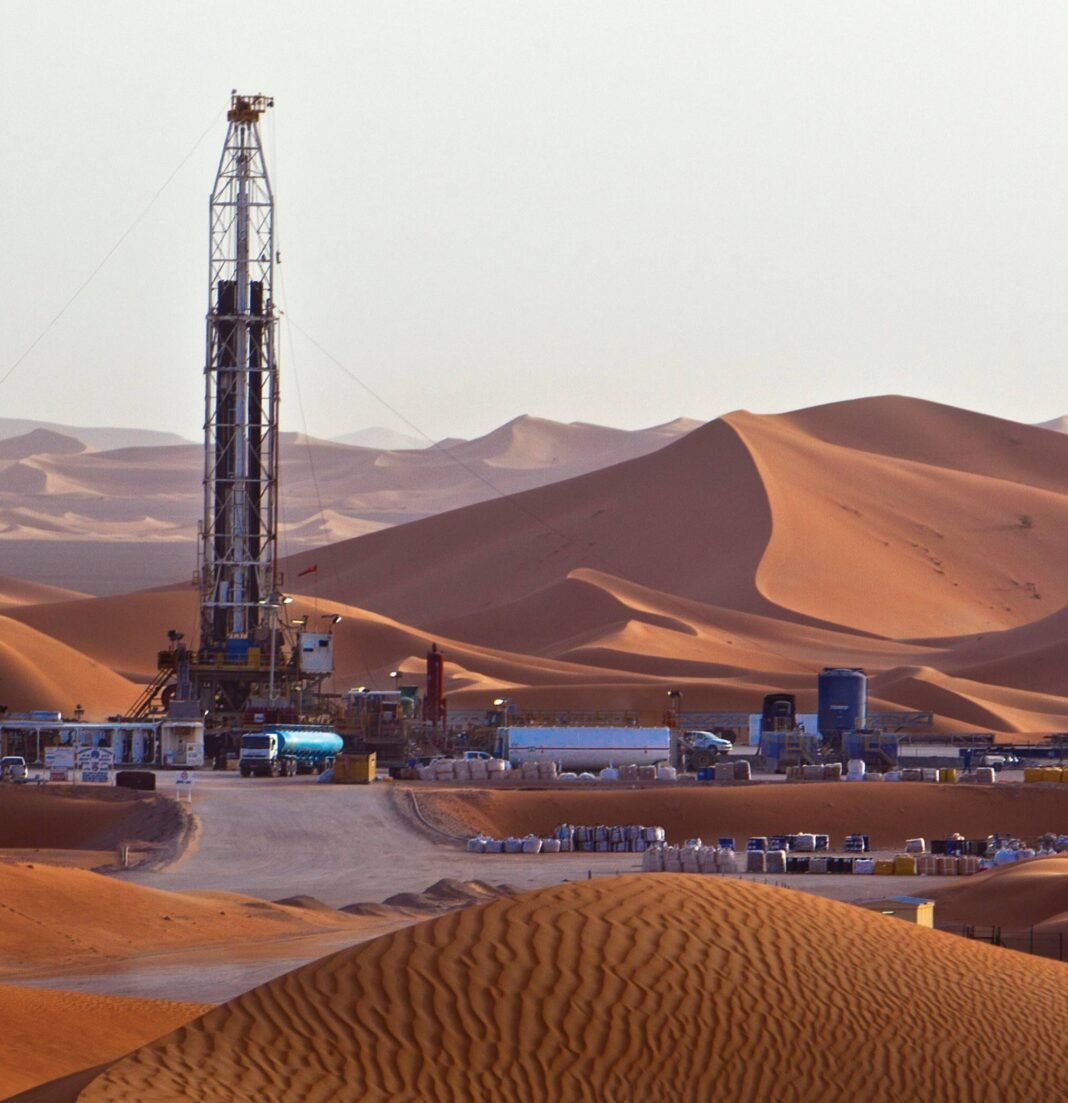
Oil dependence on oil revenues continues to influence global economic stability as crude prices remain elevated in 2026. Major oil-exporting countries benefit from stronger fiscal inflows, while importers face inflationary pressure and slower growth. This imbalance highlights how energy markets still shape global finance.
Recent geopolitical tensions have contributed to sustained oil price strength. Exporting nations continue to experience higher government revenues as a result. Meanwhile, importing economies struggle with rising costs and tighter monetary conditions.
Saudi Arabia remains a key example of an oil-driven fiscal system. Despite diversification efforts, hydrocarbons still support a large share of government income. Budget planning continues to react strongly to global price movements.
Kuwait also relies heavily on crude exports to support public spending. Sovereign reserves provide stability, yet budget performance still depends on oil market conditions. Fluctuations in prices directly influence fiscal outcomes.
Iraq demonstrates even stronger exposure to hydrocarbons. More than ninety percent of government revenue comes from oil sales. This leaves public finances highly sensitive to price shifts.
Libya continues to depend almost entirely on oil exports for government funding. Political instability and production disruptions increase financial vulnerability. Oil income remains the primary source of national revenue.
Algeria and Angola also rely significantly on hydrocarbon exports. Both countries continue diversification programs, but energy income still dominates fiscal systems. Export earnings remain closely tied to oil performance.
Venezuela continues to depend on petroleum despite long-term economic decline. Oil revenues still contribute significantly to government financing. Production challenges have reduced output, but reliance remains structural.
Nigeria and Oman show transitional patterns. Both countries are working to diversify their economies. However, oil still plays a major role in fiscal stability and foreign exchange earnings.
Azerbaijan also maintains strong reliance on hydrocarbon exports. Energy revenues support government budgets and external accounts. Despite reform efforts, oil remains central to fiscal planning.
Overall, elevated crude prices benefit exporting nations while increasing inflation pressure on importers. Governments tied to oil revenues gain fiscal strength, while others face economic strain. This global imbalance continues to define the energy-driven economic landscape.

