



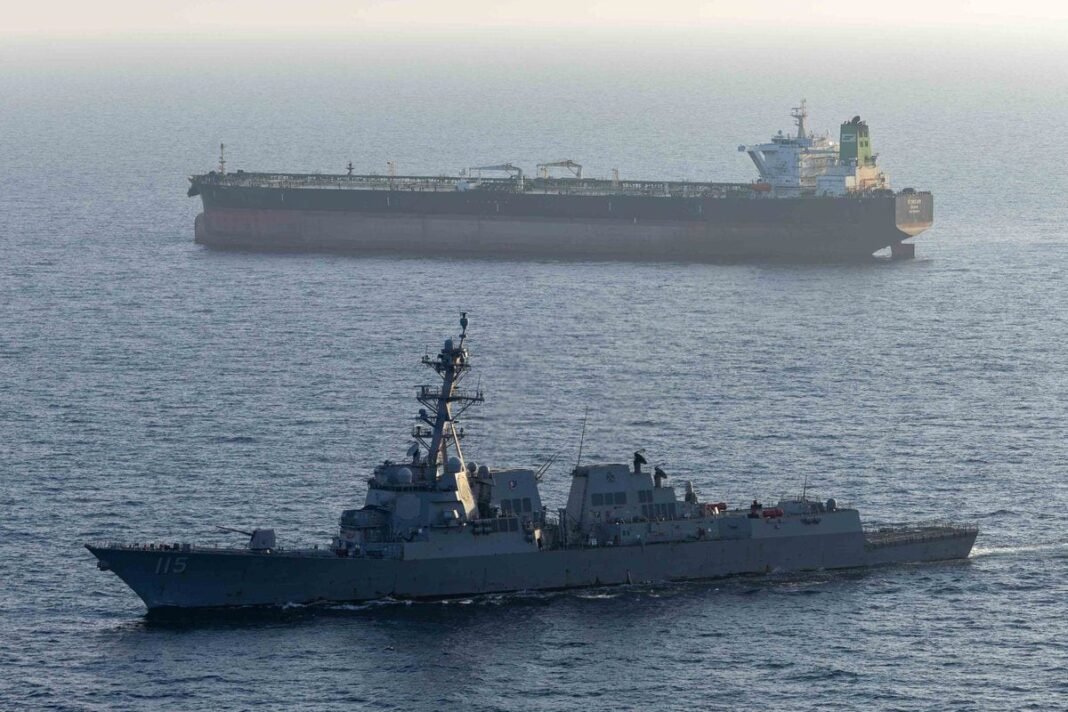
The closure of the Strait of Hormuz created fears of a severe global energy and trade crisis. However, despite widespread concerns, global supply chains continued operating and avoided the catastrophic disruptions many experts had predicted.
Industry observers suggest that advances in artificial intelligence and digital logistics played an important role in helping the shipping sector adapt quickly to the crisis.
When the conflict began in early March, insurers cancelled war-risk coverage across parts of the Gulf. As a result, shipping companies faced significant uncertainty and rising operational risks.
At the same time, analysts warned that disruptions in the Strait of Hormuz could trigger oil shortages, soaring energy prices, and widespread supply chain problems. Many forecasts predicted severe consequences for global markets.
Nevertheless, those worst-case scenarios did not fully materialize. Although oil prices increased and inflationary pressures intensified, global trade continued flowing and major shortages did not emerge.
Furthermore, supermarket shelves remained stocked in many countries. Consumers also avoided the panic buying that often accompanies major global disruptions.
According to shipping experts, the industry responded by rapidly adjusting routes, cargo movements, and operational strategies. These actions helped maintain the movement of essential goods and energy supplies.
Many analysts believe artificial intelligence contributed to these adjustments. AI-powered systems helped companies analyze data faster and identify alternative shipping solutions during the crisis.
As a result, shipping firms optimized routes, managed cargo flows, and improved decision-making under rapidly changing conditions. These efficiencies helped reduce some of the disruption caused by the closure.
However, experts argue that consumers did not directly benefit from these efficiency gains. Higher transportation costs, geopolitical tensions, and inflation absorbed much of the financial advantage.
Consequently, lower operating costs did not translate into lower prices for households. Instead, governments, markets, and large corporations captured many of the benefits.
The crisis also highlighted differences within the shipping industry. Large container companies relied on centralized planning and coordinated responses to changing conditions.
Meanwhile, tanker operators and bulk cargo carriers often adopted flexible strategies. Individual companies explored different solutions to keep vessels operating and maintain revenue streams.
For example, some operators used alternative routes, while others adjusted cargo destinations or modified trading patterns. These decisions helped sustain global supply chains despite ongoing challenges.
The experience demonstrated how technology and operational flexibility can strengthen resilience during periods of uncertainty. It also showed how quickly global trade networks can adapt when traditional routes become unavailable.
As discussions about artificial intelligence continue worldwide, the Strait of Hormuz crisis offers an important example of how technology can support logistics and trade during emergencies.
At the same time, the situation raises broader questions about who benefits from efficiency gains. While AI may improve productivity, experts continue debating how those benefits should be distributed across economies and societies.

