



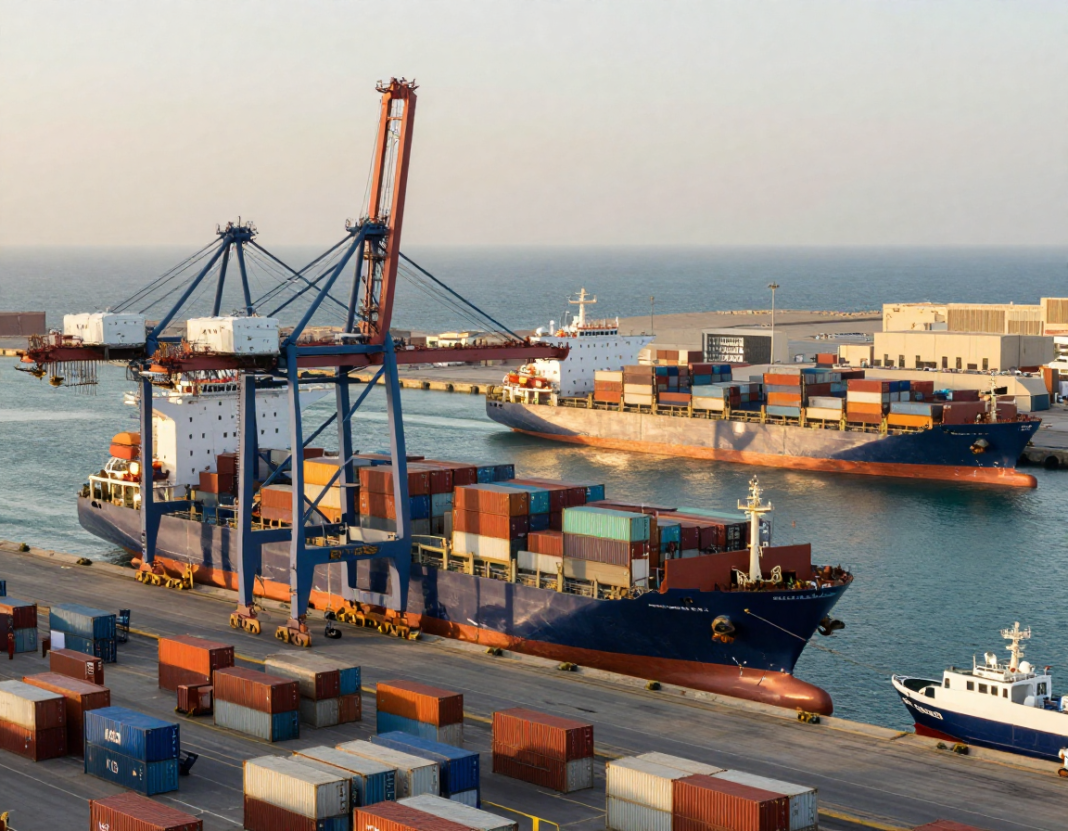
Oman trade surplus continues to show strength as the country maintains a positive balance between exports and imports. New figures show that the Sultanate recorded a surplus of RO 1.54 billion during the first quarter of 2026. The latest results reflect ongoing activity across several economic sectors.
The country’s trade performance remained stable despite changes in global markets. Total merchandise exports reached RO 5.3 billion during the period. However, exports declined compared with the same period last year.
Meanwhile, imports also decreased during the first quarter. They dropped to around RO 3.8 billion. This decline helped Oman preserve its positive trade position.
The figures highlight the role of energy exports in Oman’s economy. Oil and gas shipments continued to represent a major part of overall exports. Yet, the sector experienced lower earnings compared with the previous year.
Oman trade surplus reflects the country’s ability to manage changing economic conditions. The government has focused on strengthening different industries. These efforts support long-term economic goals and reduce reliance on one revenue source.
Non-oil exports also played an important role. They showed only a small decline during the period. This performance indicates steady progress in expanding trade beyond traditional energy products.
Additionally, re-export activity recorded growth. The increase supported overall trade movement and helped improve connections with regional markets.
The United Arab Emirates remained a key destination for Oman’s non-oil exports. Saudi Arabia and India also continued to represent important markets. These partnerships strengthened Oman’s position in regional commerce.
On the import side, China ranked among Oman’s leading suppliers. Saudi Arabia also provided a significant share of imported goods. These trade relationships continue to influence Oman’s economic landscape.
Furthermore, Oman continues efforts to expand investment opportunities. The country’s economic plans encourage new industries and private sector participation. Therefore, trade diversification remains a major priority.
The latest numbers show that Oman’s external trade sector remains resilient. Although energy revenues faced pressure, other areas provided support. As a result, the nation maintained a healthy trade balance.
Overall, Oman trade surplus demonstrates continued economic stability. The latest data points to balanced trade activity and gradual diversification. These trends could support future growth as Oman develops new business opportunities.