



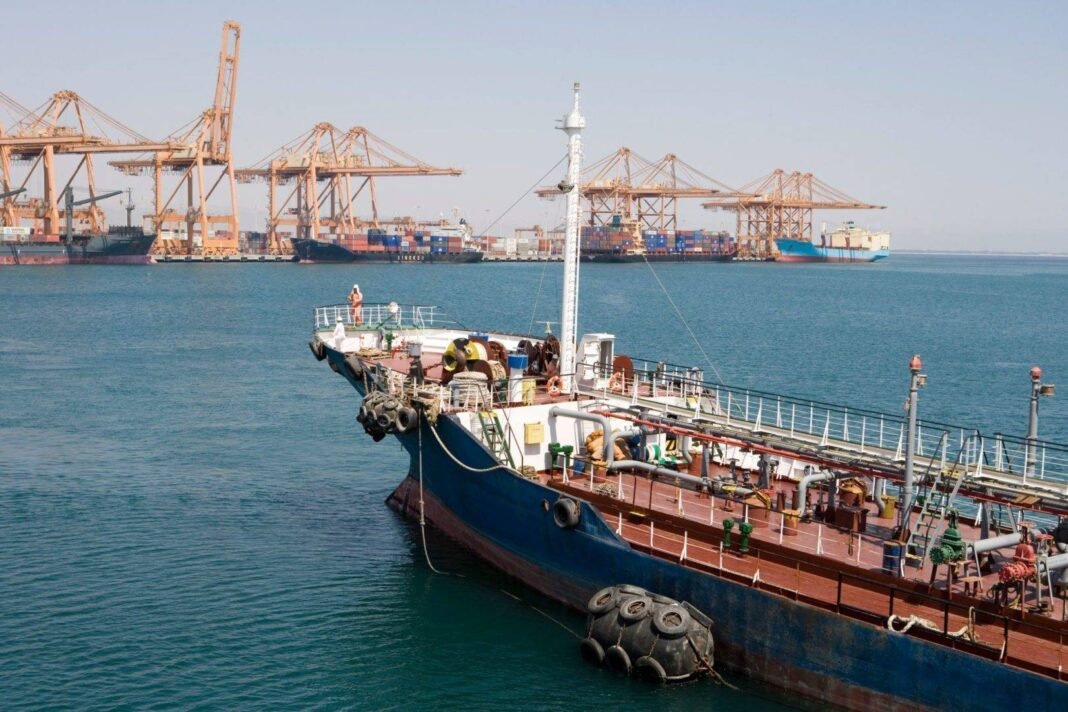
Oman economy recorded stronger growth at the beginning of 2026 as non-oil sectors gained momentum. The latest figures showed rising activity beyond traditional energy revenues.
The country’s gross domestic product increased by nearly three per cent compared with the same period last year. GDP reached around OMR9.6 billion during the first quarter of 2026.
Economic growth came from improvements across several industries. Non-petroleum activities played a major role in supporting overall performance. Their contribution exceeded oil-related income during the period.
The value of non-oil activities reached OMR6.7 billion. This represented annual growth of 2.4 per cent. Meanwhile, petroleum income reached OMR2.9 billion during the same timeframe.
Several industries helped strengthen non-oil expansion. Agriculture recorded a notable increase during the quarter. Mining activity also improved significantly. Chemical manufacturing achieved additional growth as well.
The latest data highlights Oman’s continued efforts to diversify its economy. The government has focused on reducing dependence on hydrocarbons. Therefore, new industries have become increasingly important.
Oman remains a major energy producer within the global market. The country produces around one million barrels of crude oil daily. Oil income still represents a significant part of government revenue.
However, officials continue supporting sectors outside energy. This strategy aims to create broader economic opportunities. It also prepares the country for future challenges.
An investment specialist said stronger non-oil performance was encouraging. He noted that diversification becomes more important as energy resources face long-term pressure. The country’s oil reserves may decline over several decades.
Government finances also showed improvement during the year. The budget deficit decreased compared with earlier expectations. Higher energy revenues supported the financial position.
Public revenue exceeded initial forecasts. It increased to OMR12.1 billion during the reviewed period. At the same time, government spending also increased.
Authorities raised spending to support economic activity. Additional funds supported social programmes and development efforts. These measures aimed to strengthen domestic growth.
Oil revenues increased due to stronger average prices. The average realised oil price reached $72 per barrel. This exceeded the previous budget assumption.
Gas income also improved during the period. Net gas revenues reached OMR1.8 billion. The figure marked additional growth compared with earlier estimates.
Non-oil revenue continued expanding as well. It reached OMR3.6 billion during the period. This showed progress in building a wider economic base.
Oman economy continues moving toward diversification and stability. The latest results show stronger contributions from multiple sectors. Consequently, the country’s financial outlook remains supported.
Public debt also recorded a slight reduction compared with previous years. This reflects ongoing efforts to maintain balanced finances. Meanwhile, economic reforms continue shaping future growth.

