



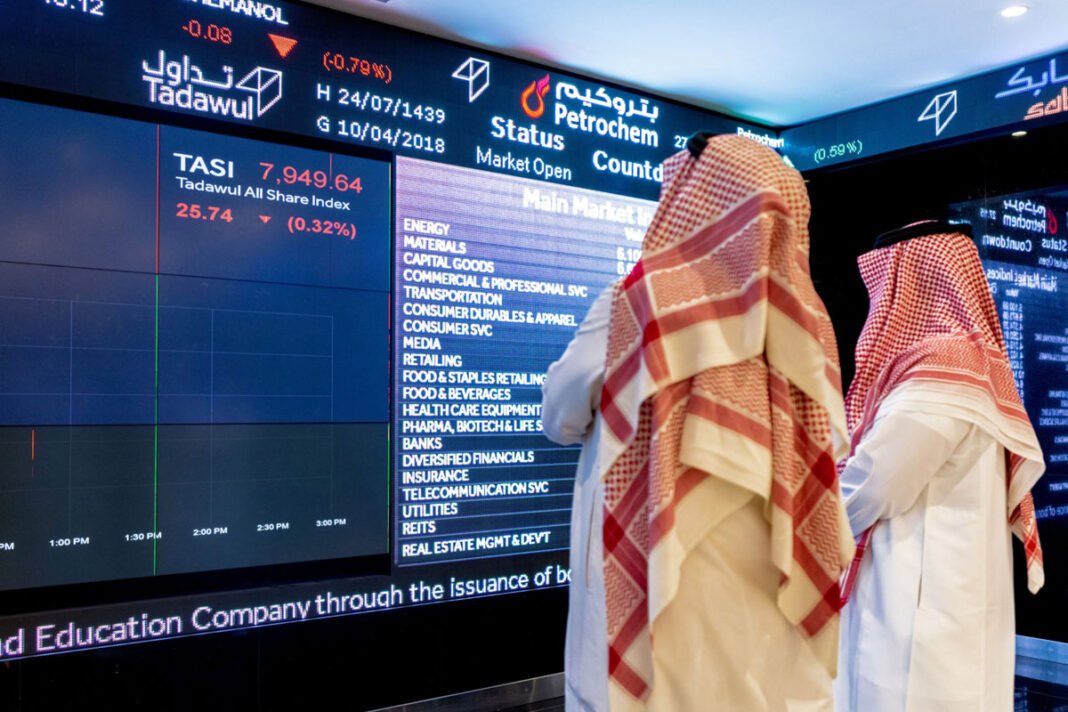
Saudi exchange plan continues to advance as Saudi Arabia strengthens efforts to modernize its capital markets. Broader reforms aim to expand financial instruments and deepen market liquidity. In addition, policymakers continue to focus on long-term economic diversification.
Regulators have invited proposals to establish a domestic commodities exchange. The initiative seeks to strengthen the Kingdom’s financial market infrastructure. It also aims to expand access to commodity-based investment products for local and international market participants.
Trading in metals and derivatives is expected to become a core function of the planned exchange. Market participants would gain access to more transparent pricing mechanisms and organized trading platforms. As a result, overall market efficiency and price discovery could improve significantly.
The initiative aligns with Saudi Arabia’s broader strategy to position itself as a leading regional financial hub. Authorities continue introducing reforms that enhance global competitiveness and attract investment. Furthermore, developing the financial sector remains a key objective under the Kingdom’s economic transformation plans.
Interested companies must submit their proposals before the end of October. Each application should include detailed operational, technical, and commercial frameworks. In addition, regulators require strong governance, compliance, cybersecurity, and risk management structures.
Mining and minerals continue playing an increasingly important role in Saudi Arabia’s economic diversification strategy. Officials view the sector as a major source of future growth beyond oil. Therefore, the proposed commodities exchange is expected to support mining, industrial development, and resource trading.
Previous investments in commodity trading infrastructure have already strengthened Saudi Arabia’s market capabilities. Saudi Tadawul Group expanded its presence through regional acquisitions that enhanced expertise in derivatives and post-trade services. Moreover, these investments provide a stronger foundation for future market expansion.
Market analysts believe the proposed exchange will complement existing financial platforms across the Kingdom. It may also attract international investors seeking exposure to metals, mining products, and energy-related commodities. Consequently, trading activity and market liquidity could increase over time.
Competition among Gulf financial markets continues to intensify. Several regional economies are investing in commodity trading platforms and financial infrastructure. As a result, Saudi Arabia aims to maintain its leadership position by offering advanced trading services and diversified investment opportunities.
Economic diversification remains central to the Kingdom’s long-term development strategy. Officials continue reducing reliance on oil revenues by expanding industries such as mining, manufacturing, logistics, and financial services. In addition, commodity trading supports broader efforts to build a more resilient economy.
Greater transparency in commodity pricing represents another important objective of the proposed exchange. Improved market structures can support better decision-making for producers, investors, and industrial companies. Therefore, more advanced pricing and risk management tools are expected to strengthen market confidence.
Regional derivatives markets have experienced steady growth in recent years. Demand for contracts linked to energy, metals, and raw materials continues increasing among institutional investors. Moreover, interest in commodity-based financial products remains strong across international markets.
Regulators emphasized that the proposed exchange supports Saudi Arabia’s wider economic transformation agenda. The project also aims to strengthen the resilience and competitiveness of the Kingdom’s financial ecosystem. Consequently, officials consider the initiative strategically important for long-term growth.
Overall, the Saudi exchange plan represents another major step in modernizing the Kingdom’s capital markets. Expanding commodity trading infrastructure will strengthen financial services, support mining development, and attract international investment. Ultimately, Saudi Arabia aims to reinforce its position as a leading global hub for commodity and financial markets.

