



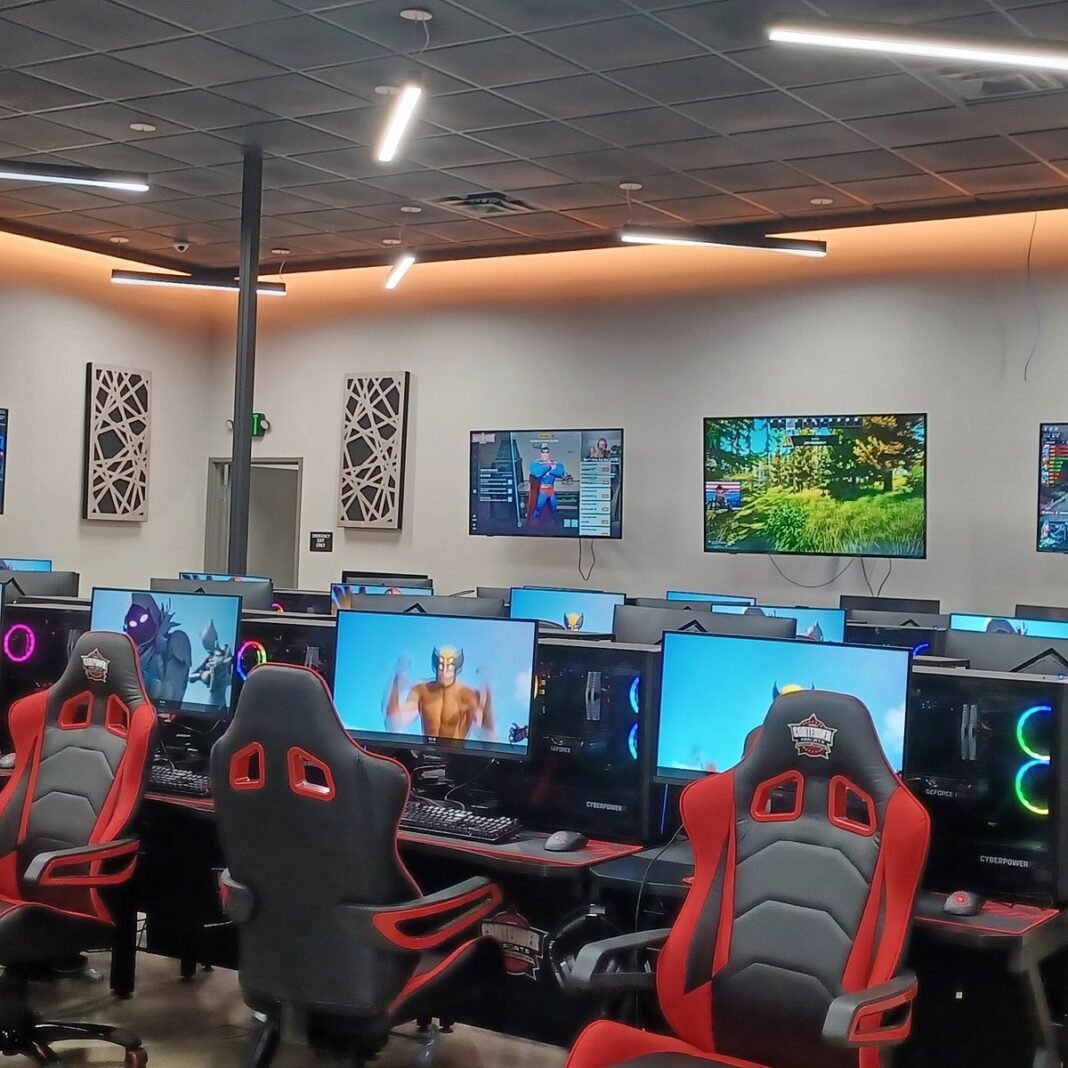
Saudi gaming performance has improved sharply, with latency falling across several of the Kingdom’s most popular electronic games. The improvement highlights continued progress in Saudi Arabia’s digital infrastructure and connectivity services.
The latest figures come from the fifth edition of the Saudi Internet Report. The Communications, Space and Technology Commission prepared the report.
According to the report, gaming latency improved by 89 percent across popular electronic games. As a result, players can experience faster responses and smoother online gaming performance.
Several popular titles recorded particularly low latency levels during the reporting period. Teamfight Tactics and League of Legends both reached latency levels of 11 milliseconds.
Mobile Legends also recorded a low latency level of 12 milliseconds. These results demonstrate the improving quality of network connections available to gamers.
Meanwhile, smart devices ranked as the most widely used gaming platform in Saudi Arabia. They accounted for 22.1 percent of overall gaming platform usage.
PlayStation followed closely, with a 21.8 percent share of gaming platform usage. The figures show strong demand for both mobile gaming and dedicated gaming consoles.
Gaming habits also varied among users across the Kingdom. Weekly gaming represented the largest usage pattern, reaching 32.1 percent.
Intermittent gaming followed with 31 percent of users. Daily gaming accounted for another 29.2 percent of reported gaming activity.
Together, these figures highlight the growing importance of reliable internet connections for Saudi gamers. Better network performance can improve experiences across competitive and casual online gaming.
In addition, the report highlighted significant growth within Saudi Arabia’s Internet of Things sector. The number of IoT subscriptions reached approximately 13.85 million.
The figure reflects the expanding use of connected devices across different parts of the Kingdom. IoT networks allow devices to communicate and exchange information through digital connections.
Urban areas also recorded extensive coverage for Narrowband Internet of Things technology. NB-IoT coverage reached approximately 99 percent of the urban population.
More than 30,000 towers supported the country’s NB-IoT infrastructure. Therefore, the extensive network provides a strong foundation for additional connected-device applications.
IoT adoption within Saudi households also continued to develop. The report placed household IoT adoption at 18 percent.
Connected technology can support various household applications, including smart appliances and security systems. Furthermore, wider adoption can encourage more consumers to integrate connected devices into daily life.
The combination of stronger gaming networks and broader IoT coverage points toward continued digital development. Both areas depend on reliable connectivity and extensive telecommunications infrastructure.
Saudi gaming has consequently become an important part of the Kingdom’s expanding digital ecosystem. Faster connections can support online gaming, esports, and other services that require quick network responses.
Low latency remains particularly important for competitive gaming. Even small delays can affect player reactions, movement, and overall performance during online matches.
Therefore, the reported improvement could benefit players participating in competitive gaming activities. It may also support the continued development of Saudi Arabia’s growing esports environment.
At the same time, expanding IoT coverage creates opportunities beyond entertainment. Businesses can use connected devices for monitoring, automation, asset management, and operational efficiency.
Smart infrastructure can also rely on IoT connections to collect information from connected equipment. Consequently, stronger coverage can support applications across homes, businesses, and public infrastructure.
The latest report also highlighted Saudi Arabia’s international digital standing. The Kingdom ranked first globally in the International Telecommunication Union’s 2025 Digital Readiness Index.
That ranking adds further context to the country’s continued investment in digital infrastructure. It also reflects the expanding role of connectivity within Saudi Arabia’s economic development.
Meanwhile, the gaming and IoT figures demonstrate how digital infrastructure affects everyday services. Consumers increasingly depend on reliable connections for entertainment, communication, and connected devices.
Saudi Arabia continues developing its technology ecosystem as demand for digital services grows. Gaming and IoT represent two areas where stronger connectivity can create significant benefits.
Saudi gaming performance could improve further as network infrastructure continues to develop. Meanwhile, rising IoT adoption could create additional opportunities for connected services.
Overall, the latest figures point toward continued progress across Saudi Arabia’s digital landscape. Gaming latency, IoT subscriptions, and network coverage all recorded notable developments.
The results also show how improved connectivity can support both consumer services and emerging technologies. As digital adoption expands, reliable infrastructure will remain increasingly important across the Kingdom.

