



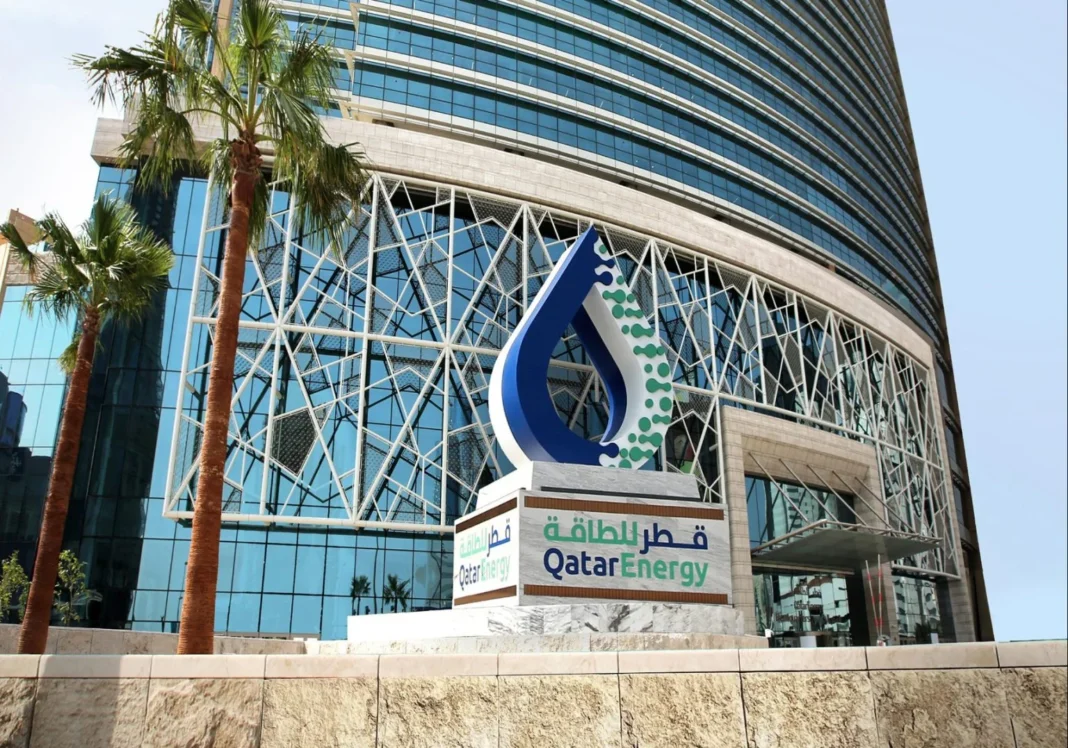
QatarEnergy Financial Results reveal a sharp decline in profit and revenue during the first half of 2026. The state-owned energy company faced significant disruptions following attacks on its liquefied natural gas facilities. Consequently, lower export capacity affected several major revenue streams. The company’s latest financial statement also highlights changes in cash generation and financing activities.
QatarEnergy recorded net profit attributable to shareholders of QAR15 billion, equivalent to approximately $4 billion. This represents a 69% decline compared with the same period in 2025. The company reported QAR48 billion in net profit a year earlier. Meanwhile, total revenue fell 35% to QAR87 billion between January and June 2026.
The Iran conflict contributed to the company’s weaker financial performance. In March, an Iranian missile strike disrupted operations at the Ras Laffan industrial complex. The incident affected QatarEnergy’s ability to export liquefied natural gas. As a result, the company faced substantial pressure on its production and export activities.
Furthermore, the company recorded declines across several important revenue categories. Crude oil revenue dropped by more than 55% during the first half. Condensate revenue also decreased by 29%. Meanwhile, income from liquefied natural gas fell by 5%. Natural gas revenue experienced a more substantial decline of 40% by June 30.
Despite these challenges, QatarEnergy generated stronger cash flow from its operations. Operating cash flow reached QAR21 billion during the first six months of 2026. This compared with QAR13 billion during the corresponding period last year. Therefore, the increase provided some support amid weaker earnings and reduced revenue.
However, the company also increased its use of internal cash for financing activities. The financial statement recorded a 500% rise in this measure. This development reflects changes in how the company funded its activities during the reporting period. Nevertheless, its balance sheet continued to show substantial assets.
QatarEnergy reported total assets of QAR704 billion as of June 30, 2026. Its total liabilities stood at QAR184 billion on the same date. These figures provide an overview of the company’s financial position amid ongoing operational challenges.
The damage at Ras Laffan could also have significant long-term consequences. QatarEnergy chief executive Saad Al-Kaabi estimated annual revenue losses of $20 billion following the attacks. He also indicated that the damage had disrupted nearly 17% of the company’s export capacity. Consequently, restoring operations remains an important priority for Qatar’s energy sector.
Ras Laffan plays a major role in global liquefied natural gas supplies. The industrial complex accounts for approximately 20% of worldwide supply. In addition, Qatar supplies nearly 30% of the UAE’s gas demand through the Dolphin pipeline. This pipeline operates through a joint venture involving Mubadala, Occidental Petroleum, and TotalEnergies.
Moreover, Qatar has warned that repairs to damaged energy infrastructure could take up to five years. Such a prolonged recovery period could affect export volumes and revenue generation. It could also influence regional gas supplies and international energy markets. Therefore, the full financial impact may extend beyond the first half of 2026.
Qatar’s leadership has also acknowledged the conflict’s broader economic consequences. Emir Sheikh Tamim bin Hamad Al Thani said the war had negatively affected public finances. He confirmed that government revenues declined sharply during the first half of the year. These pressures underline the importance of energy exports to Qatar’s economy.
Nevertheless, the country continues to advance major gas development projects. QatarEnergy confirmed that work on the North Field gas expansion remains on schedule. The company also reported significant progress on the Golden Pass project in the United States. Both developments support its longer-term plans to strengthen production capacity.
Overall, QatarEnergy Financial Results reflect the immediate financial effects of disrupted energy exports. Lower revenue and profit have created challenges for the company and Qatar’s public finances. However, stronger operating cash flow and ongoing expansion projects offer important context. The pace of infrastructure repairs will remain crucial to the company’s financial recovery.

