



Gulf Project Spending showed resilience during the first nine months of 2026 despite growing regional uncertainty. Governments across the Gulf continued supporting major energy, transport, and infrastructure developments. Consequently, the region recorded modest annual growth in total contract awards. However, the third quarter revealed a significant slowdown across several Gulf Cooperation Council countries.
GCC countries awarded contracts worth more than $200 billion between January and September. This represented a 2.5% increase compared with the same period in 2025. The figures reflected continued government support for important development projects. Nevertheless, the US-Iran war created serious challenges for regional construction and infrastructure activity.
Energy projects played a major role in sustaining contract activity. Gas-related contract awards increased by approximately 60% year on year during the third quarter. Saudi Aramco also signed upstream contracts worth more than $12 billion. Most of these agreements came at the beginning of the year, supporting the region’s overall performance.
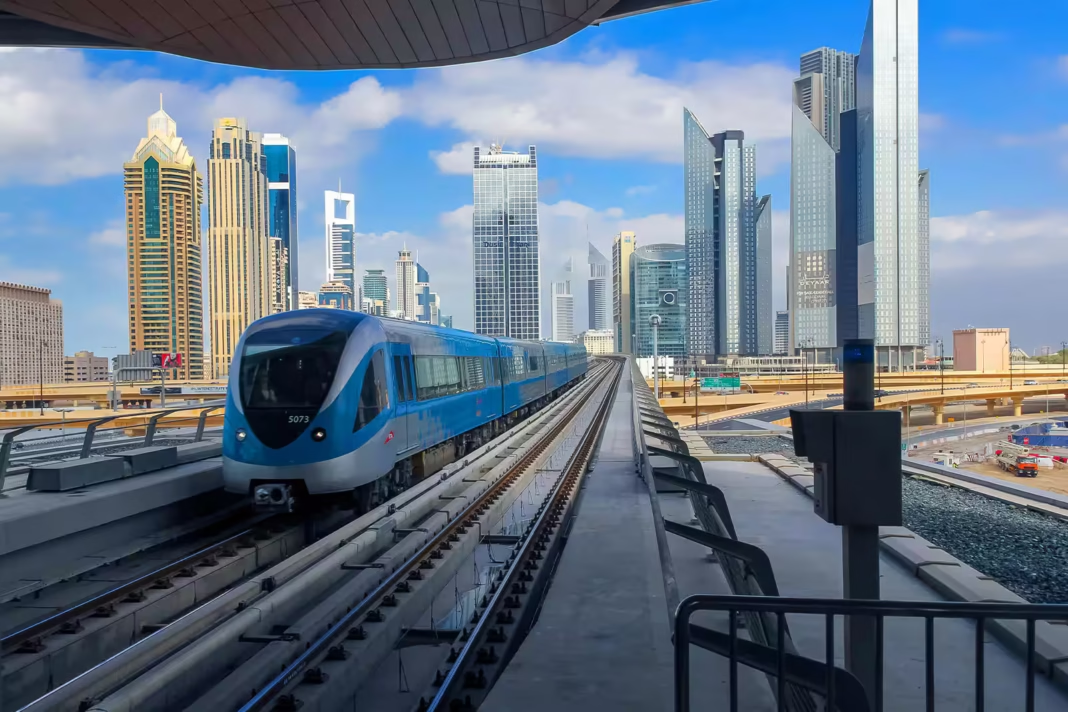
Meanwhile, the United Arab Emirates continued advancing major transport and infrastructure plans. Dubai moved forward with its $9 billion Gold Line metro project. Etihad Rail also remained part of the country’s wider infrastructure development efforts. In addition, Abu Dhabi continued pursuing infrastructure investments worth $57 billion across 500 projects.
Saudi Arabia also recorded strong contract activity during the first half of 2026. Construction awards increased by 82% compared with the previous year. However, activity slowed considerably during the following quarter. The kingdom awarded more than $24 billion in contracts between July and September. This accounted for approximately half of the Gulf region’s total during that period.
Despite the strong start, the third quarter brought a sharp regional downturn. GCC contract awards fell by more than one-third year on year. Total awards reached slightly above $47 billion between July and September. Furthermore, the figure represented a decline of approximately 20% compared with the second quarter.
Oman experienced the steepest reduction in new contract awards. The country recorded only $76 million in awards during the third quarter. This marked a nearly 97% decline compared with the same period last year. Oman had secured more than $2 billion in contracts during the third quarter of 2025.
The scale of the decline highlights the impact of individual major projects on quarterly figures. In June, Petroleum Development Oman signed a gas facilities contract with Egypt’s Enppi. That single agreement was worth almost five times Oman’s total awards for the third quarter. Therefore, fewer large contracts significantly affected the country’s latest results.
Other Gulf countries also experienced substantial annual declines. Bahrain’s contract awards dropped by more than two-thirds during the third quarter. Qatar recorded a decline of almost two-thirds over the same period. Meanwhile, Kuwait’s awards fell by more than half. The UAE also experienced a reduction of approximately one-quarter.
These declines reflected mounting pressure on the region’s economic and infrastructure activity. Disruptions to energy exports and major trade routes affected project planning. Attacks on energy infrastructure also created additional uncertainty for governments and contractors. Consequently, some countries faced growing difficulties maintaining their planned investment schedules.
Nevertheless, public spending continued to support selected strategic projects. Governments prioritized energy security, transport connectivity, and essential infrastructure. These investments helped the region maintain overall contract growth during the first nine months. However, continued conflict could affect future spending decisions and project timelines.
Gulf Project Spending therefore presents a mixed picture for the regional construction sector. Strong activity earlier in the year helped offset the third-quarter slowdown. However, widespread declines indicate growing pressure on new project awards. Future performance will depend partly on regional stability and governments’ ability to sustain planned investment.
The coming months will show whether public investment can maintain momentum across the GCC. Energy and transport developments may continue supporting activity in key markets. However, prolonged export disruptions and security risks could delay additional contracts. Gulf Project Spending will remain an important indicator of how regional economies respond to these challenges.

