



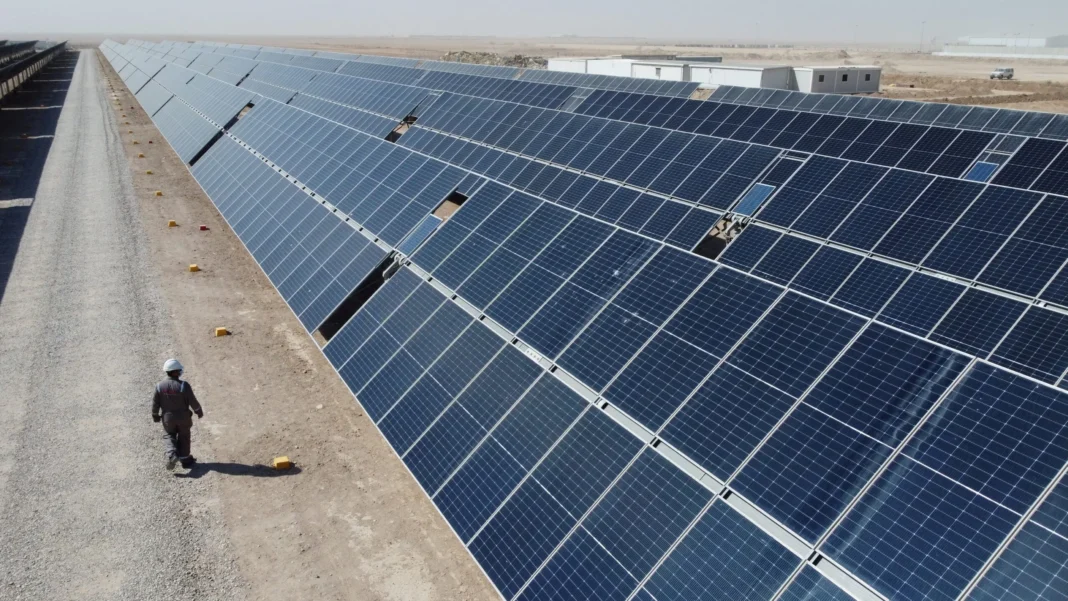
Iraq Solar Projects are gaining attention as the Ministry of Electricity discusses renewable energy cooperation with Japan International Cooperation Agency (JICA). The talks focused on developing solar power projects and expanding clean energy access for households. Moreover, both sides explored potential financing and implementation opportunities. The discussions support Iraq’s wider efforts to diversify electricity sources and increase renewable energy use.
The meeting brought together ministry officials and representatives involved in planning Iraq’s renewable energy development. Hussein Mohammed Badr, Director General of the Planning and Studies Department, chaired the discussions. Mortada Hussein Mahdi, Director of the ministry’s Renewable Energy Centre, also attended. Together, participants reviewed the ministry’s solar project plans and the procedures needed to advance them.
The discussions covered several practical issues affecting solar energy development. These included project contracting arrangements and the mechanisms for connecting solar installations to the national electricity grid. Such procedures play an important role in ensuring projects operate effectively. Furthermore, clear implementation plans can help coordinate government priorities with potential international support.
JICA expressed interest in financing and implementing solar projects within the ministry’s existing plans. The agency also considered ways to support household solar energy systems. In addition, JICA indicated that it intends to prepare a feasibility study for financing these systems. The study could help assess possible funding approaches and the practical requirements for wider adoption.
The proposed study draws on an initiative associated with the Central Bank of Iraq. That initiative provides a reference for exploring financial support for household solar installations. However, officials have not announced final financing terms or a confirmed project budget. Further assessment will help determine the possible structure and scope of any future program.
Household solar systems could offer Iraqi families another option for meeting their electricity needs. Solar installations can generate power during daylight hours and potentially reduce reliance on other sources. Nevertheless, their wider use depends on affordability, installation capacity, maintenance, and suitable grid arrangements. Financing options could therefore influence how many households can adopt the technology.
Iraq continues to face the challenge of meeting electricity demand while strengthening its energy infrastructure. Consequently, renewable energy projects have attracted attention as part of broader efforts to diversify power generation. Solar energy offers opportunities to use the country’s abundant sunlight. However, effective development requires investment, planning, technical expertise, and coordination between relevant institutions.
International cooperation could help Iraq address some of these requirements. Organizations such as JICA can explore financing options and provide support for project preparation. Meanwhile, Iraqi authorities can identify priority projects and establish the procedures needed for implementation. If the feasibility study progresses, it could provide a clearer basis for future household solar financing.
Iraq Solar Projects could expand further if discussions lead to practical funding arrangements and approved implementation plans. For now, the meeting represents an exploratory step rather than a confirmed financing agreement. Officials have not announced specific launch dates, funding totals, or installation targets. Further updates should clarify whether the proposals will move toward implementation.
Overall, the talks highlight Iraq’s interest in increasing solar power use across public and residential settings. Cooperation with JICA could help assess project opportunities and financing models. At the same time, household solar systems may support efforts to broaden access to clean electricity. The next steps will depend on feasibility findings, funding decisions, and agreements between the participating institutions.

