



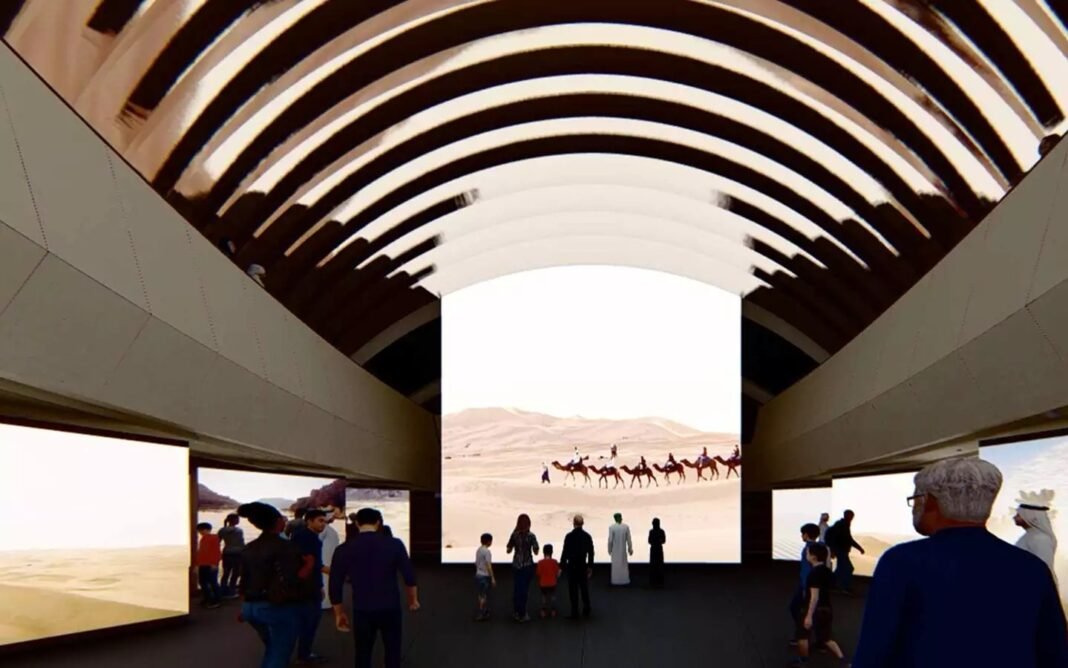
Camel History Exhibition will open at Zayed National Museum in Abu Dhabi in early December 2026. The exhibition will explore more than 7,000 years of camel heritage across the UAE and surrounding region. Visitors will discover how camels influenced trade, transportation, daily life, and artistic traditions throughout history. Moreover, the event will mark the museum’s first temporary exhibition since its establishment.
The exhibition, titled Tracks Through Time: The Camel in Society, Trade and Art, will highlight remarkable archaeological discoveries. It will examine the relationship between camels and communities from prehistoric times to modern cultural celebrations. Additionally, visitors will explore how camel domestication transformed life across the Arabian Peninsula. The museum describes the event as the first comprehensive exhibition dedicated to this extensive history.
Among the major attractions are ancient wild camel remains from the Baynunah archaeological site in Abu Dhabi. These discoveries date to the Neolithic Period, between 4,500 and 4,000 BCE. Natural History Museum Abu Dhabi will provide the specimens for the exhibition. Furthermore, visitors will see Bronze Age camel remains from Dubai’s Al Sufouh archaeological site.
The Al Sufouh discoveries date between 2,000 and 1,300 BCE and offer valuable insights into ancient wildlife. Dubai Culture and Arts Authority will contribute these historical materials to the exhibition. Notably, the displays will introduce visitors to detailed evidence of an extinct wild camel species. These findings will help explain how camels lived across the region thousands of years ago.
Camel History Exhibition will also feature important discoveries from the Saruq Al Hadid archaeological site in Dubai. The collection includes domesticated camel remains from the Iron Age, offering evidence of early camel management. These discoveries demonstrate how ancient communities gradually developed closer relationships with camels. Consequently, they provide important insights into the development of transportation, trade, and settlement patterns.
Dr. Peter Magee, Director of Zayed National Museum, emphasized the cultural importance of the upcoming exhibition. He explained that the museum aims to strengthen public understanding of Emirati history through archaeological research. Furthermore, the exhibition will connect scientific discoveries with traditional practices that remain important today. These include camel racing, beauty competitions, and relationships between herders and their animals.
The museum will also display historical artwork and rare objects that demonstrate the camel’s cultural significance. Among them is a children’s book from the 1840s describing different camel species and their uses. Additionally, visitors will discover ancient rock carvings from Fujairah dating back approximately 3,000 years. UAE postage stamps featuring camels will illustrate their continued importance in national identity.
Multimedia presentations will provide another perspective on camel heritage through historical photographs and archival recordings. Visitors will hear traditional performances of Taghrooda poetry and Alheda’a camel calling. UNESCO recognizes these oral traditions as part of humanity’s intangible cultural heritage. Moreover, interviews with camel herders and community members will highlight personal experiences and traditional knowledge.
The museum will organize educational workshops, guided tours, and interactive activities throughout the exhibition. Families will have opportunities to explore historical discoveries through engaging cultural experiences. Additionally, a dedicated retail collection will feature products inspired by the exhibition’s themes. These activities aim to encourage participation while strengthening appreciation for the UAE’s cultural heritage.
Camel History Exhibition will offer visitors a detailed journey through thousands of years of regional history. The displays will connect archaeological evidence with traditions that continue to shape Emirati culture. Furthermore, the event will highlight the importance of preserving historical knowledge for future generations. Zayed National Museum hopes the exhibition will deepen public appreciation of camels and their lasting cultural significance.

