



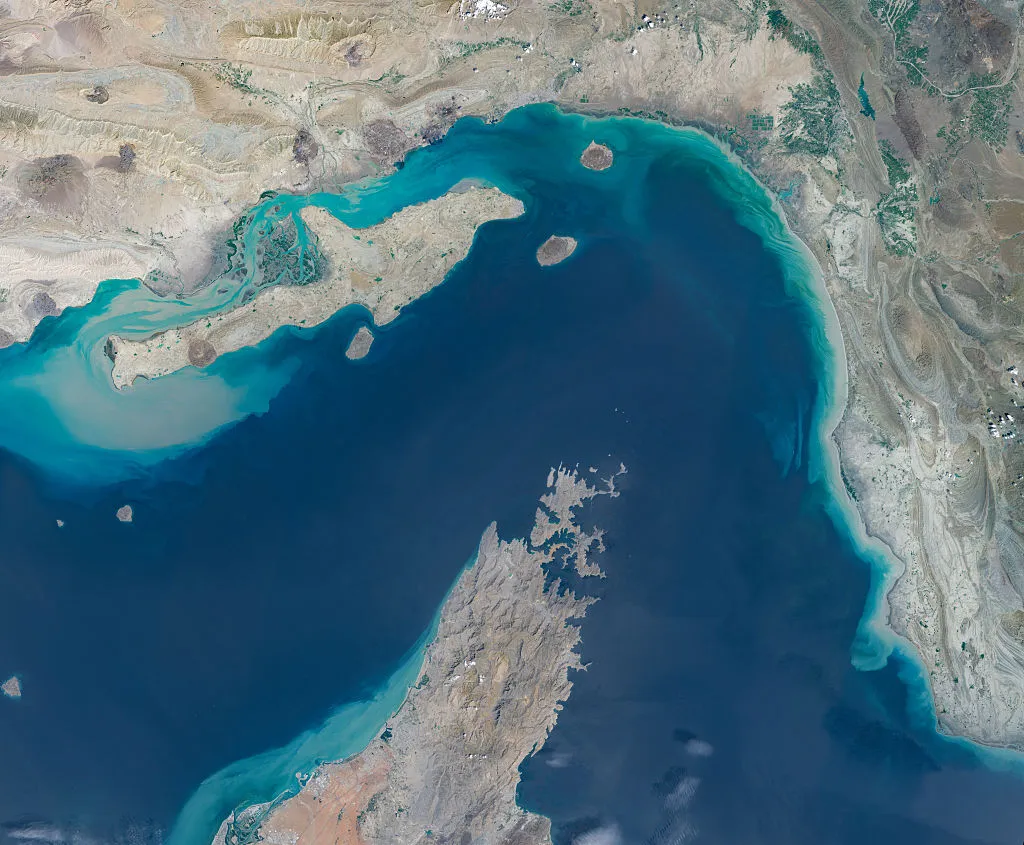
Gulf trade routes remain central to global energy supplies despite the recent Strait of Hormuz crisis. Gulf trade routes continue supporting international oil and gas exports while governments strengthen infrastructure against future disruptions. At the same time, policymakers across the region are reviewing long-term strategies to improve supply chain resilience and protect economic stability.
The Strait of Hormuz remains one of the world’s most important maritime corridors. Before the recent conflict, it handled a significant share of global crude oil, liquefied petroleum gas, liquefied natural gas, refined fuel products, chemicals, and other cargo. Consequently, any disruption immediately affects international energy markets and global trade flows.
During the recent crisis, shipping traffic through the waterway declined sharply. Regional tensions forced many vessels to delay or reroute their journeys. Although shipping has gradually resumed, concerns remain over vessel security, insurance costs, and possible additional transit charges. Therefore, transportation costs could remain higher than before the conflict.
Analysts believe governments and businesses will continue evaluating the risks associated with future disruptions. The latest crisis demonstrated how quickly geopolitical tensions can interrupt global supply chains. As a result, many countries have renewed efforts to improve energy security and diversify transportation options.
Some experts expected importing nations to reduce dependence on Gulf energy by increasing purchases from alternative suppliers. However, industry specialists argue that such a transition will remain challenging for many countries. Existing refinery infrastructure often depends on specific crude oil grades produced in the Gulf region. Therefore, replacing those supplies requires technical adjustments, additional investment, and higher operating costs.
Alternative energy suppliers also face logistical limitations. Longer shipping distances increase transportation expenses and delivery times. Furthermore, higher insurance premiums continue raising overall import costs. Consequently, many buyers still consider Gulf producers the most practical and reliable long-term suppliers.
Liquefied petroleum gas markets also illustrate these challenges. Importers may secure supplies from different regions, yet fuel specifications often differ from domestic requirements. That mismatch limits flexibility and increases processing costs before distribution.
Rather than replacing Gulf exports, regional governments increasingly focus on strengthening alternative transportation infrastructure. The United Arab Emirates continues advancing new pipeline projects designed to bypass the Strait of Hormuz. These investments aim to transport larger crude oil volumes directly to export terminals outside the strategic waterway.
Saudi Arabia is also evaluating additional pipeline capacity while expanding international oil storage facilities. These projects could improve export flexibility during future disruptions. Meanwhile, Kuwait continues studying overseas storage investments and regional partnerships to strengthen supply security.
Iraq has also accelerated work on domestic pipeline infrastructure. Future plans include expanding connections toward neighboring countries to improve export routes. These projects could provide greater flexibility while supporting regional energy cooperation.
Beyond oil exports, Gulf countries continue investing in broader transportation infrastructure. The planned GCC railway network remains one of the region’s most important long-term logistics projects. Once completed, the railway will improve freight movement across member states while supporting non-oil trade and regional economic integration.
Road transport also gained greater importance during the recent disruption. Increased trucking activity through Red Sea ports demonstrated another option for maintaining supply chains when maritime traffic faces challenges. Governments may now invest further in supporting infrastructure for these alternative routes.
Despite these developments, bypass systems cannot eliminate every risk. Pipeline networks, ports, and storage facilities remain vulnerable during regional conflicts. Therefore, infrastructure expansion alone cannot guarantee uninterrupted energy exports.
Analysts also note that liquefied natural gas exports remain particularly exposed because pipeline alternatives require substantial investment and lengthy construction periods. Political coordination between multiple countries further complicates cross-border energy projects.
Regional governments increasingly recognize that infrastructure improvements should accompany diplomatic engagement and broader economic diversification. Stable international relationships remain essential for protecting trade and investment. At the same time, expanding non-oil industries can reduce economic exposure during future crises.
Energy-importing nations also face important lessons from recent events. Greater investment in renewable energy, domestic resilience, and diversified energy systems could reduce vulnerability to future supply disruptions. Those measures may also help limit inflation caused by sudden increases in global energy prices.
Looking ahead, Gulf trade routes will continue playing a vital role in international commerce despite ongoing geopolitical risks. Governments across the region are strengthening infrastructure while balancing long-term economic diversification with energy security. As global demand remains strong, Gulf trade routes will likely remain indispensable to international energy markets for many years.