



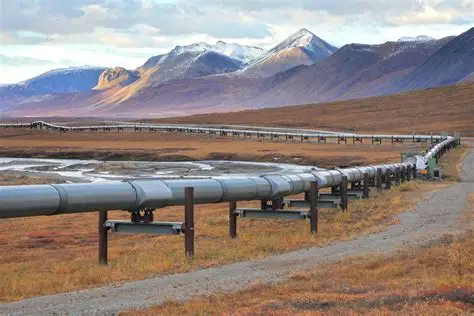
Iraq pipelines could enter a major new phase after the government approved plans for a Qatar-US consortium to begin studying new oil export routes. Iraq pipelines remain central to Baghdad’s strategy of expanding export capacity while reducing dependence on traditional Gulf shipping corridors. Furthermore, the proposed infrastructure projects could strengthen Iraq’s long-term energy security and improve access to international markets.
Iraq’s cabinet authorized the Ministry of Oil to complete preliminary agreements with the consortium before technical work begins. The approvals include a head of agreement and a non-disclosure agreement that allow companies to carry out detailed studies. However, these arrangements do not create any immediate financial or contractual obligations for the government.
The consortium includes Qatar’s UCC Holding alongside the American companies Chevron and TI Capital. Iraqi officials also indicated that a state-owned company could join the partnership during the project’s implementation stage. Such cooperation aims to combine international expertise with local participation.
The proposed development includes several major pipeline projects across Iraq. One route would transport crude oil from Basra in southern Iraq to Haditha in Al Anbar province. From there, the pipeline would continue toward Kirkuk before reaching the Turkish port of Ceyhan. This route would provide another export option outside the Strait of Hormuz.
A second proposed pipeline would also begin in Basra before extending through Haditha toward the Syrian Mediterranean port of Baniyas. If completed, that corridor would provide Iraq with another strategic outlet for exporting crude oil to international markets.
Government officials explained that the current phase focuses on technical and financial assessments. Engineering studies will evaluate the feasibility of each proposed route before construction decisions are made. Authorities also plan to review operational requirements, projected costs, and commercial viability.
Earlier this year, Iraq approved funding for the first phase of the Basra-to-Haditha pipeline project. Officials allocated approximately $1.5 billion toward a broader project estimated to cost around $5 billion. That investment reflects Baghdad’s determination to diversify export infrastructure after recent regional disruptions.
Iraq remains one of the world’s largest crude oil producers and continues expanding its export capacity. Improving pipeline infrastructure could reduce reliance on maritime routes while increasing flexibility during periods of geopolitical uncertainty. Recent developments around the Strait of Hormuz have reinforced the importance of alternative export corridors.
At the same time, Iraq continues working with Türkiye regarding the long-standing Kirkuk-Ceyhan pipeline. The existing agreement governing operations was scheduled to expire later this month. However, both governments have agreed to extend the current arrangement for another year while negotiating a longer-term framework.
Recent meetings between Iraqi and Turkish officials focused on maintaining uninterrupted oil exports. Both sides also agreed to continue legal and technical discussions before signing a comprehensive agreement. Officials expect future negotiations to provide greater certainty for crude shipments, including exports from the Kurdistan Region.
Beyond infrastructure expansion, Iraq continues strengthening oversight of its energy sector. The government has expanded its review of oil contracts as part of a broader campaign to improve transparency and accountability. Authorities intend to examine agreements covering production, refining, and energy investment projects.
Officials believe stronger oversight will improve operational efficiency while ensuring better use of national energy resources. They also expect increased transparency to strengthen investor confidence and support future energy partnerships.
Looking ahead, Iraq pipelines remain an important priority within the country’s long-term energy strategy. New export routes could improve resilience against future regional disruptions while expanding access to global markets. As technical studies progress and international cooperation continues, Iraq pipelines may play a larger role in supporting economic growth and strengthening Iraq’s position within the global energy industry.

