



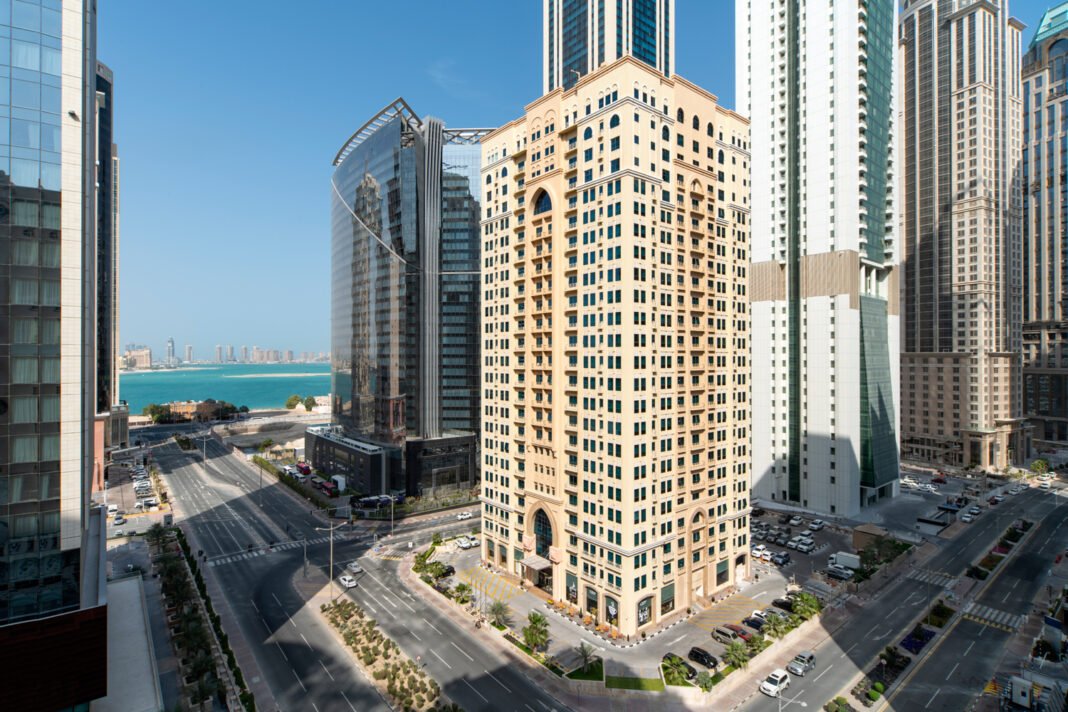
The Doha property market showed mixed results during the first half of 2026. Apartment sales dropped sharply, while villa demand continued to grow.
Government figures showed a major difference between the two residential segments. Apartment sale contracts fell 46 percent compared with the same period last year.
The market recorded 326 apartment transactions during the first six months. Meanwhile, villa sales increased 28 percent and reached 468 transactions.
The contrasting figures highlight changing preferences among property buyers in Doha. They also show how regional uncertainty has affected different parts of the housing market.
Geopolitical tensions created additional caution among buyers and investors. However, villa demand remained strong despite the uncertain regional environment.
Qatar’s broader residential market delivered a more positive performance. Residential transaction volumes across the country increased during the second quarter.
The market recorded 755 residential transactions during the quarter. That figure represented a 24 percent increase from the previous quarter.
It also marked a 16 percent increase compared with the same quarter last year. Nevertheless, analysts continue to describe the recovery as uneven.
Market sentiment improved during the early months of the second quarter. Regional tensions appeared to ease as diplomatic discussions made progress.
However, renewed tensions later created fresh uncertainty. Consequently, some buyers and investors became more cautious about major property decisions.
The construction sector also experienced slower activity during the quarter. Qatar recorded 1,476 building permits during the period.
That figure compares with 1,836 permits during the same period a year earlier. Therefore, permit activity declined by around 20 percent.
The slowdown indicates that developers may remain cautious about launching additional projects. Developers typically adjust construction plans according to expected demand.
The performance of major property companies also reflected the challenging environment. United Development Company reported weaker results during the second quarter.
The company recorded QAR115 million in net profit. Revenue reached QAR885 million during the quarter. Profit declined 16 percent compared with the previous year. Revenue also fell 20 percent during the same period. Its development business experienced an even sharper decline. Revenue from that segment dropped 28 percent year on year.
Profit from the development segment also decreased by 29 percent. These results point to continued pressure across Qatar’s property industry. Meanwhile, Qatar’s hospitality sector faced additional challenges. Hotel occupancy reached 52 percent during the second quarter.
That figure represented a significant decline from the previous year. Visitor arrivals also dropped during the same period. Qatar welcomed around 600,000 visitors during the quarter. The figure stood almost 50 percent below the previous year’s level.
Lower visitor numbers can affect hotels, retail businesses, and property investments. Therefore, the hospitality slowdown adds another challenge for the wider real estate sector.
Despite these pressures, Qatar’s overall residential market continues showing signs of resilience. Strong villa demand provides one positive signal for the sector.
The difference between apartments and villas also suggests changing buyer priorities. Some buyers may increasingly prefer larger homes and private residential environments.
The Doha property market also faces competition from other Gulf destinations. Investors continue comparing opportunities across major regional cities.
Dubai and Riyadh remain important destinations for Gulf property investment. Consequently, Qatar needs to maintain its competitive advantages to attract additional capital.
However, Qatar continues developing major infrastructure and real estate projects. These investments could support demand as regional conditions stabilise.
The country’s long-term economic strategy also provides support for property development. Infrastructure spending can create opportunities across residential, commercial, and hospitality markets.
At the same time, developers must respond carefully to current demand. Excess supply could create additional pressure if apartment purchases remain weak.
The latest figures therefore show a divided residential market. Villas are attracting buyers, while apartments continue facing significant challenges.
Regional tensions remain an important factor influencing investor confidence. Yet the wider market has not experienced a complete downturn.
The Doha property market could improve if regional uncertainty declines. Stronger investor confidence could encourage buyers to return to the apartment segment.
Furthermore, improved tourism could support hotels and related property businesses. Higher visitor numbers would provide additional demand across the hospitality industry.
For now, market participants remain cautious about the outlook. Developers, investors, and buyers will continue watching regional developments closely.
The first half of 2026 therefore presents a complicated picture for Qatar’s property sector. Villa sales provide strength, while apartment activity remains under pressure.
Ultimately, future performance will depend on demand, investor confidence, tourism, and regional stability. Those factors will determine how quickly Qatar’s property market can regain broader momentum.

