



Iraq’s electrical plant plans have advanced after a Swiss engineering company met with Iraqi investment officials. Main Power Engineering discussed a proposed manufacturing complex with the National Investment Commission. The proposed facility would produce advanced electrical equipment within Iraq. It would cover several stages of production, testing, and certification. Meanwhile, the discussions focused on the project’s strategic and financial aspects.
The National Investment Commission hosted the discussions as Iraq considers new industrial investment opportunities. NIC Chairman Adel Dakhil Muhammad al-Yasiri chaired the meeting. Several officials from the commission also joined the discussions. They included senior representatives from its Relations and Media Department. Representatives from the Economic and Technical Department also attended. Therefore, the meeting brought together officials with different areas of expertise.
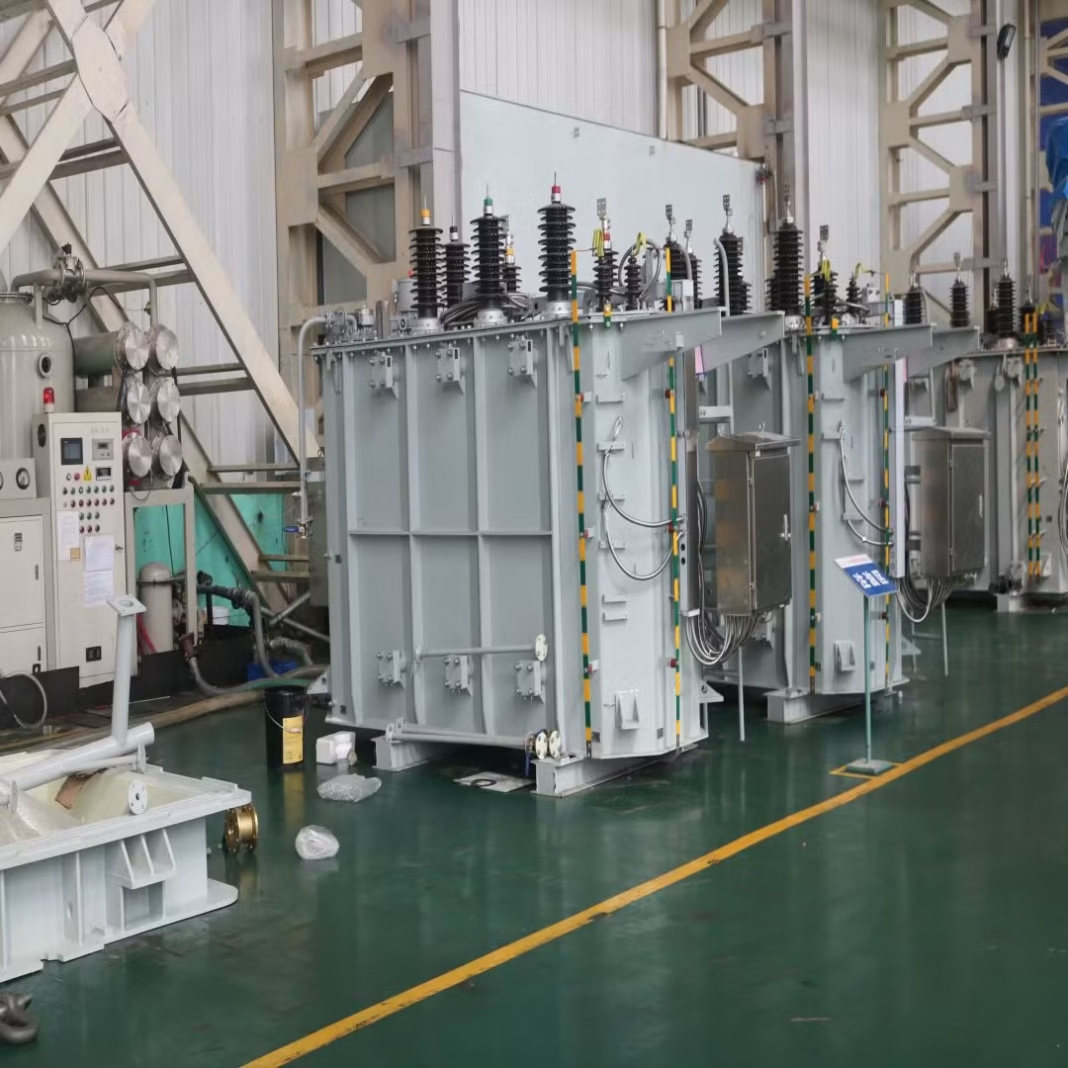
Main Power Engineering presented plans for an integrated industrial complex. The company wants the facility to support several types of electrical equipment production. The planned complex would include high-voltage transformer manufacturing. It would also produce dry-type industrial transformers. Furthermore, the facility could manufacture semiconductor devices and switching systems. These products serve important functions across modern power and industrial networks.
The proposed project would follow a full-cycle manufacturing model. That approach would cover equipment design, manufacturing, and testing. Consequently, the facility could support more stages within Iraq’s industrial supply chain. It could also reduce reliance on external production for some equipment. However, the discussions remain focused on the project’s proposed development. Further steps would depend on technical and financial considerations.
The company also proposed a high-voltage testing facility within the complex. This facility would test electrical equipment before it enters the market. It could also certify imported equipment under the proposed structure. As a result, the testing center could serve both local manufacturers and importers. The facility would therefore have a role beyond the production of new equipment.
High-voltage transformers play an important role in electricity transmission systems. They help manage voltage levels across large power networks. Dry-type transformers also serve industrial and commercial applications. Switching equipment supports the control and protection of electrical systems. Meanwhile, semiconductor devices support various modern electrical and electronic technologies. Together, these products form several parts of the wider electrical equipment industry.
The proposed Iraq electrical plant could also contribute to industrial development. Local manufacturing can create opportunities for technical training and specialized employment. In addition, large industrial projects can support demand for local suppliers. Engineering, maintenance, logistics, and other services could benefit from related activity. However, the project’s final scale and timeline remain subject to further discussions.
Iraq has continued to explore investment opportunities across different industrial sectors. Electrical infrastructure represents an important area for industrial and economic development. The country needs reliable equipment to support power generation and distribution networks. Therefore, local production could provide another option for meeting future equipment demand. It could also encourage cooperation between Iraqi institutions and international companies.
The involvement of a Swiss engineering company adds an international dimension to the proposal. Main Power Engineering would bring its technical capabilities to the planned project. Meanwhile, Iraqi authorities would assess the investment and technical requirements. This process can help determine whether the proposed complex can move toward implementation. Further discussions could clarify investment requirements, production capacity, and construction plans.
The project could eventually support Iraq’s broader industrial ambitions. It may also create opportunities for technology transfer and technical cooperation. Furthermore, local production could strengthen the country’s electrical equipment supply chain. The proposed testing center could add another layer of technical support. These factors could make the project relevant to both industrial development and infrastructure planning.
For now, the discussions represent an early stage of the proposed development. Iraqi investment officials and Main Power Engineering have examined the project’s main components. The talks covered both strategic priorities and financial considerations. Additional assessments would likely determine the project’s next steps. The Iraq electrical plant proposal therefore remains under consideration as discussions continue.
The proposed complex would give Iraq a potential domestic source for advanced electrical equipment. It would combine manufacturing, testing, and certification within one industrial development. Moreover, the project could connect international engineering expertise with local investment priorities. The National Investment Commission will remain central to the investment process. Further developments will depend on the outcome of technical and financial evaluations.

