



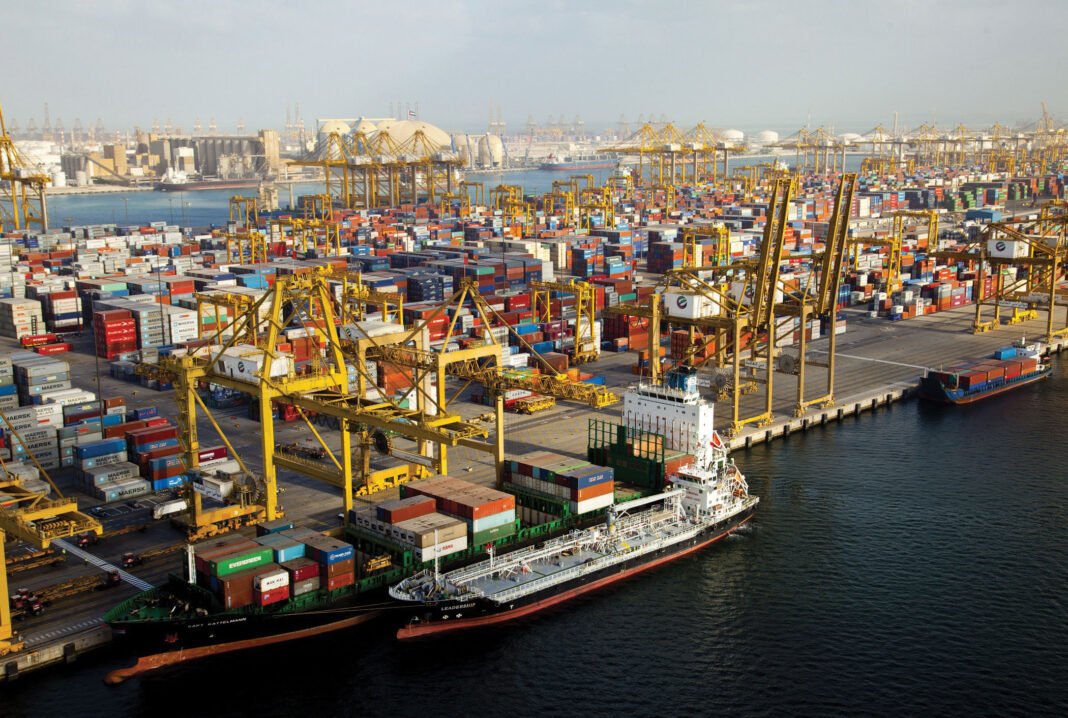
Freight Charges across the UAE and GCC have increased sharply amid continuing shipping disruptions. Rates have reportedly risen several times since the Strait of Hormuz closure. Traders now expect additional increases as container shortages continue affecting regional supply chains. Some shipments that once cost $1,000 now cost between $10,000 and $12,000. Those costs could reach $15,000 during the coming months. Meanwhile, delivery times have also increased significantly for many imported goods. Shipments that previously arrived within 25 days can now take 60 days. Some deliveries may require as many as 90 days. The disruption has therefore created additional costs for importers and manufacturers. Companies must also manage longer lead times when planning production and project deliveries.
The shortage has affected containers coming from major manufacturing markets, including China and Italy. At the same time, regional shipping routes continue facing operational challenges. Traders say companies have added war-related surcharges to existing transportation costs. Consequently, businesses importing materials now face significantly higher landed costs. However, demand remains active across several sectors despite the higher expenses. Many recently launched projects still require raw materials and construction products. Developers and manufacturers must therefore continue securing supplies to meet project schedules. This situation could also benefit companies that maintain inventory ahead of future demand. Importers are increasingly adjusting purchasing strategies to manage uncertainty around shipping schedules.
Freight Charges have also affected businesses that depend heavily on imported materials. Some companies have responded by expanding their export operations to offset higher costs. One home-furnishing business has increased its international customer base across several markets. Exports now represent a much larger share of its business than in 2020. The company supplies customers across African markets and Georgia. Direct purchasing from China has also created additional opportunities for international customers. Meanwhile, UAE ports outside the Strait of Hormuz have become increasingly important. Khorfakkan and Fujairah have provided alternative routes during the regional disruption. These ports can help businesses maintain trade connections while shipping conditions remain difficult.
Container rates have also climbed substantially for larger shipments. Prices for 40-foot high-cube containers have increased from around $2,000 previously. Current indicative quotes range between $7,000 and $11,000. That increase can add tens of thousands of dollars across larger shipments. Businesses must therefore consider transportation expenses when calculating final product costs. These additional charges can eventually affect prices for retailers and consumers. However, the impact depends on product value, shipment size, and the number of units involved. Companies with larger volumes may distribute shipping increases across more products. Smaller importers could face a greater effect from individual container cost increases.
Freight Charges could remain elevated through the fourth quarter if capacity pressures continue. Industry participants expect further increases during busy shipping periods. Estimates suggest rates could rise another 5 to 15 percent during peak weeks. Fuel costs and available shipping capacity will remain important factors. For example, a $9,000 container could cost between $9,450 and $10,350. Such estimates depend on market conditions and do not represent a fixed global rate. Therefore, importers should monitor quotations closely before confirming shipments. Businesses should also coordinate production schedules with expected shipping windows.
Chinese holiday periods could create additional challenges for regional importers. Factories may adjust operations around the Mid-Autumn holiday from September 25 to September 27. The National Day holiday will follow from October 1 to October 7. Consequently, businesses could face tighter shipping schedules around these periods. Importers should confirm factory reopening dates before placing time-sensitive orders. Missed sailings could affect deliveries planned for Christmas and the year-end period. Companies should therefore build additional time into their supply chain planning.
Freight Charges could eventually return toward previous levels if regional conditions improve. Businesses expect the recovery process to depend heavily on shipping route stability. A lasting resolution could allow transport networks to gradually normalize. However, the return to earlier pricing could still take several months. Companies are meanwhile adapting through alternative ports, export expansion, and direct sourcing. They are also reviewing inventory strategies to reduce exposure to shipping delays. For now, elevated transportation costs remain an important consideration for UAE and GCC traders. The regional business community continues adjusting as supply chains respond to changing conditions.