



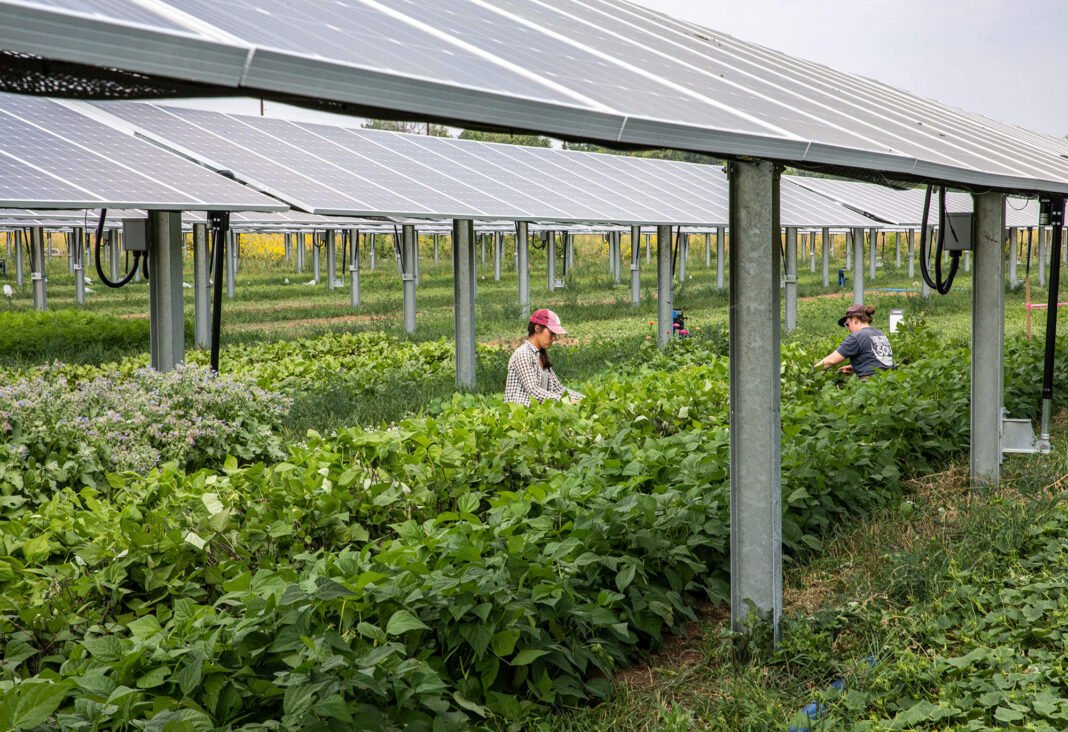
Air Water Harvesting research is exploring new ways to support sustainable agriculture across Oman. The project combines atmospheric water technology with solar energy and hydroponic farming. Researchers studied how the approach could help areas facing water shortages and soil salinity. They also examined locations where the technology could produce the greatest benefits. The research could support agriculture in some of Oman’s most challenging environments.
Dr. Ahmed Al Busaidi led the research at Sultan Qaboos University. The Research and Innovation Authority funded the project with the agriculture ministry. The study examined whether atmospheric water technology could support farming on salt-affected land. Researchers assessed several locations across Oman during the project. They considered local weather conditions, water needs, and potential agricultural applications.
The team identified several areas with favorable conditions for atmospheric water production. These locations included southern areas near the Yemen and Saudi Arabia borders. Researchers also identified suitable areas along Oman’s northern coastline. Several central regions showed potential for additional applications. However, the most suitable use would depend on conditions at each location.
Northern coastal areas could support drinking and industrial water needs. Meanwhile, southern locations could have stronger potential for agricultural production. Central and remote areas could support both drinking and farming applications. Therefore, researchers see different opportunities across Oman’s geographic regions.
The team also tested machines that collect moisture directly from the atmosphere. Depending on weather conditions, some machines produced up to 40 liters daily. Larger systems reached production levels of up to 100 liters per day. Researchers then connected the water systems with solar power and hydroponic farming. They also built a greenhouse to test crop production under controlled conditions.
The greenhouse produced notable differences compared with outdoor farming. Tomato plants inside the greenhouse reached an average height of 186 centimeters. Their average chlorophyll level also reached 25.5. Outdoor tomato plants reached an average height of 76.5 centimeters. Their chlorophyll level averaged 8.23 during the research.
Lettuce also performed better under controlled greenhouse conditions. Researchers recorded higher chlorophyll levels and larger leaves among greenhouse plants. These results highlighted the benefits of controlling growing conditions. Farmers could potentially manage temperature, water, nutrients, and other factors more precisely.
Air Water Harvesting could also provide environmental and economic benefits. Greenhouses can support crop production throughout the year. This approach could reduce seasonal restrictions and provide farmers with steadier production. Solar power could also reduce reliance on conventional energy sources. Additionally, surplus electricity could potentially generate extra revenue through grid connections.
The integrated approach could address several agricultural challenges facing Oman. These challenges include water scarcity, soil salinity, limited farmland, and extreme weather. Furthermore, controlled farming could support higher-value crops and greater agricultural diversity. Such production could also contribute to broader food security goals.
However, the research identified technical challenges that require additional development. Nutrient management remains important for maintaining healthy hydroponic crops. Researchers also highlighted the need to manage changes in water acidity. Maintaining suitable pH levels can directly affect crop growth and nutrient absorption.
The research team recommended greater use of automation and artificial intelligence. Smart sensors could monitor water, nutrients, temperature, and other growing conditions. Connected systems could then adjust these factors according to crop requirements. This technology could help farmers reduce waste and improve resource efficiency.
Researchers also recommended expanding production beyond commonly grown crops. Medicinal plants and exotic fruits could provide additional opportunities for farmers. The team also encouraged stronger renewable energy integration within greenhouse systems. Training programs and public awareness could further support wider adoption.
Finally, researchers highlighted additional uses for sustainable greenhouse facilities. These facilities could support education, agricultural research, and eco-tourism. As a result, the technology could create benefits beyond direct food production.
Oman’s research demonstrates how renewable energy and innovative water systems can work together. The approach could provide new options for agriculture in areas with limited water resources. Continued research could improve efficiency and reduce the costs of these systems. Meanwhile, technological advances could make sustainable farming more practical across different regions of Oman.

