



Qatar and Tanzania are strengthening cooperation across the transportation sector. Both countries are exploring new opportunities for sustainable mobility and technical exchanges. Qatar’s Minister of Transport Sheikh Mohammed bin Abdulla bin Mohammed Al-Thani met Tanzania’s Prime Minister Dr. Mwigulu Nchemba. The meeting focused on existing transport cooperation and future opportunities. Both sides also discussed ways to strengthen wider bilateral relations through practical collaboration.
Several senior officials joined the meeting between Qatar and Tanzania. Tanzania’s Ambassador to Doha, Habibu Awesi Mohamed, attended the discussions. Mowasalat CEO Ahmad Hassan Al Obaidly also took part in the meeting. Members of the Tanzanian delegation joined the talks as well. The officials reviewed potential areas for cooperation across transportation services. They also discussed opportunities to exchange technical knowledge and operational experience.
After the meeting, Prime Minister Nchemba and his delegation visited Mowasalat. The visit allowed the delegation to examine Qatar’s modern public transportation system. Officials presented different aspects of the country’s sustainable transit network. The delegation also learned about operational methods and transport management practices. Furthermore, the visit created an opportunity to study Qatar’s approach to cleaner urban mobility. These exchanges could support future transport initiatives involving both countries.
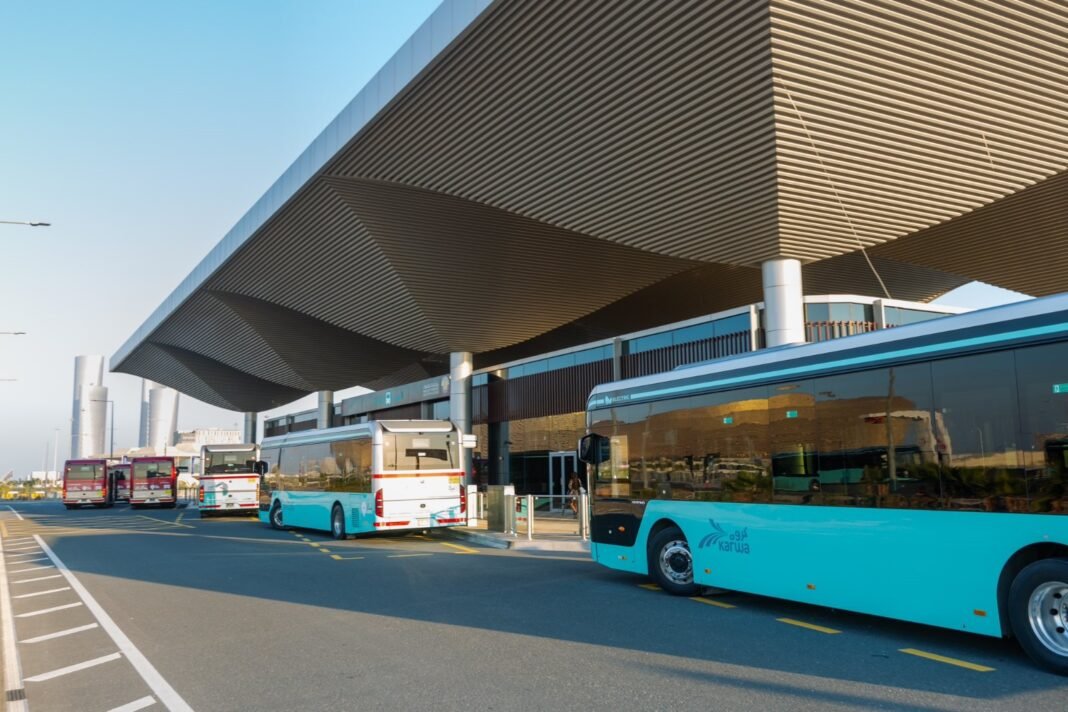
The Tanzanian delegation later visited the Lusail Bus Depot. Officials there explained the depot’s electric bus operations and charging infrastructure. The visitors also reviewed advanced systems used for fleet management. In addition, they examined technologies that support daily transport operations. The briefing covered electric bus management and charging processes. Officials also explained how smart solutions improve efficiency across the network. These systems also help reduce carbon emissions from public transportation.
The Lusail Bus Depot plays an important role in Qatar’s electric transport strategy. The facility supports large-scale electric bus operations and charging activities. Its infrastructure reflects Qatar’s continued focus on sustainable transportation. During the visit, Tanzanian officials examined how the depot manages its electric fleet. They also reviewed technical systems that support reliable and efficient operations. As a result, the visit provided useful insight into modern electric mobility systems.
Qatar and Tanzania are also focusing on knowledge and expertise exchange. Tanzania’s delegation studied Qatar’s experience with sustainable public transportation. The discussions included possible opportunities for future technical cooperation. Both sides explored ways to benefit from existing operational experience. Moreover, the exchange highlighted the growing role of electric buses in cleaner mobility. Smart transportation systems also formed an important part of the discussions.
The visit supports wider efforts to develop stronger transport links between Qatar and Tanzania. It also creates opportunities for future cooperation in electric mobility and transit management. Qatar shared experience in operating modern buses and advanced transport infrastructure. Meanwhile, Tanzania gained insight into systems that support efficient public transportation. Both countries can continue exploring additional areas for technical and operational cooperation. The latest discussions therefore create a foundation for further engagement in sustainable mobility.
The focus on sustainability also reflects changing priorities in public transportation. Electric buses can support cleaner urban mobility when supported by suitable infrastructure. Smart systems can also improve fleet coordination and operational efficiency. Qatar’s experience provides practical examples for transport authorities exploring these technologies. Tanzania’s visit allowed its delegation to examine these solutions directly. Furthermore, continued cooperation could encourage future exchanges and technical partnerships.
Qatar and Tanzania can build on this latest engagement through further transport discussions. Future exchanges could cover electric mobility, fleet management, charging infrastructure, and technical training. The two sides can also explore opportunities to share operational knowledge. Such cooperation could support efforts to develop more efficient public transit systems. It could also encourage greater use of sustainable transportation technologies. The latest visit highlights a growing interest in practical and long-term transport cooperation.

